
Table of Contents
A Night No One Saw Coming
Sam was nineteen years old. At that age, adventure is not usually part of the plan.
He was Kelly’s little baby, a familiar presence who belonged indoors, where everything smelled right and every sound was known. But sometime in the middle of the night, Sam slipped out without anyone noticing.
Kelly did not realize until the next day.
By then, the house felt wrong. Too quiet. Sam was not in his usual places. Panic crept in quickly. A senior cat outside, alone, vulnerable, and unfamiliar with the world beyond home.
Kelly searched everywhere. She looked under porches, around bushes, and along nearby streets, calling his name and hoping for an answer that did not come.
Help From A Kind Stranger That Made All the Difference
While Kelly was searching, someone else noticed Sam.
A stranger saw him and chose not to look away. Instead of assuming he would find his own way, they brought him to the humane society, making a decision that would quietly change everything.
There was no microchip. No tattoo. Nothing permanent to tell Sam’s story for him.
But there was kindness. And there was a place ready to help reunite a lost animal with the person who loved him.
The Reunion That Brought Relief
When Kelly learned where Sam was, relief replaced fear in an instant.
After a night of worry and searching, her nineteen-year-old cat was safe. Warm. Waiting.
Sam did not wander home on his own. He was carried back by the compassion of someone who cared enough to act and a system designed to protect animals when things go wrong.
Kelly got her little baby back!
Why Sam Made It Home
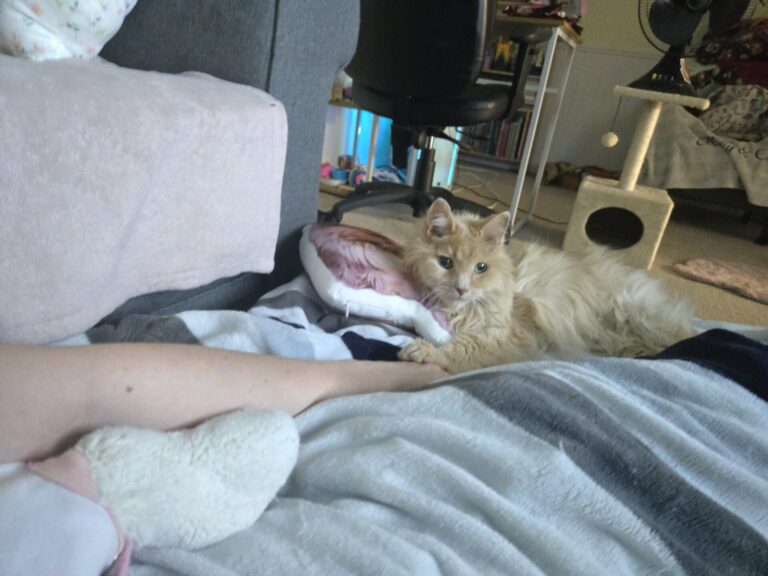
Sam’s story did not end happily because of identification. It ended happily because of people.
Someone noticed him. Someone helped. And the humane society provided the bridge between lost and found.
Not every story ends this way. Senior cats are especially vulnerable when they go missing. They may hide instead of calling out. They may move slowly or struggle to find shelter.
Sam was lucky. And luck often looks a lot like kindness.
What to Do If You Find a Lost Cat
Sam’s reunion offers a gentle reminder of what matters when you encounter a wandering cat:
- Do not assume they will find their way home.
- Senior cats are especially at risk outdoors.
- If you can, bring them to a humane society, shelter or a vet where staff can help.
- Even without identification, shelters and vets can provide safety while guardians search.
One small decision can change everything for a family waiting at home.
How to Protect Your Own Pet
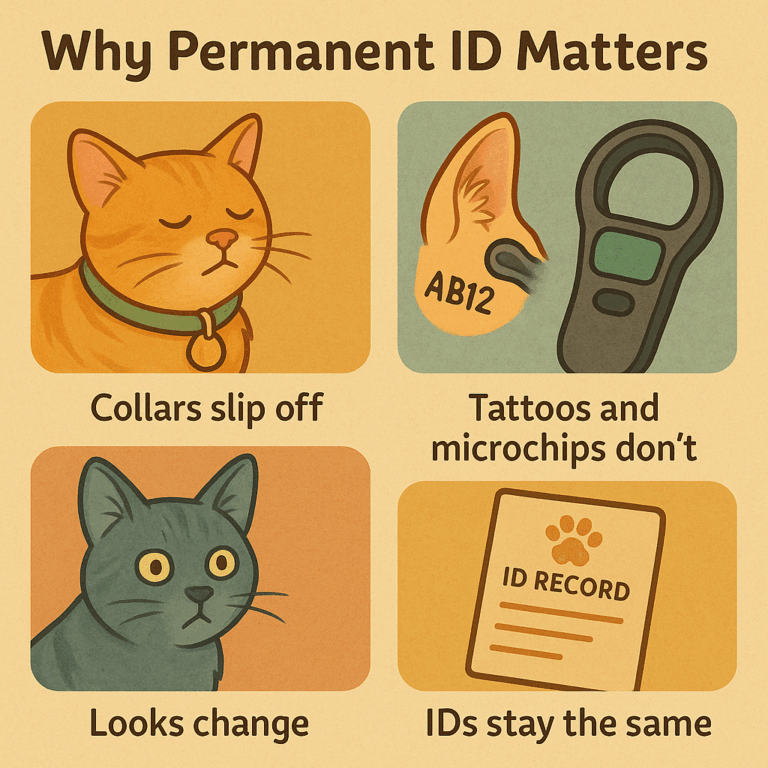
Sam’s story also highlights how unpredictable accidents can be. Even pets who have never tried to leave before can slip out.
Here is what every pet guardian should consider:
- Microchip your pet, even if they are strictly indoors.
- Ensure your contact information is always up to date.
- Pay special attention to senior pets, who may be less able to cope if lost.
- Know where your vet, local shelter or humane society is located.
Preparation cannot prevent every accident, but it can shorten the distance between fear and relief.
The Role of Shelters and Community
Sam’s journey home was not dramatic or loud. It was quiet. Ordinary. And deeply meaningful.
Shelters and humane societies exist for moments like this. For the animals who slip out at night. For the families who wake up panicked. For the strangers who want to help but do not know what to do next.
Supporting these organizations means supporting reunions that happen quietly, every single day.
What Sam’s Story Really Means
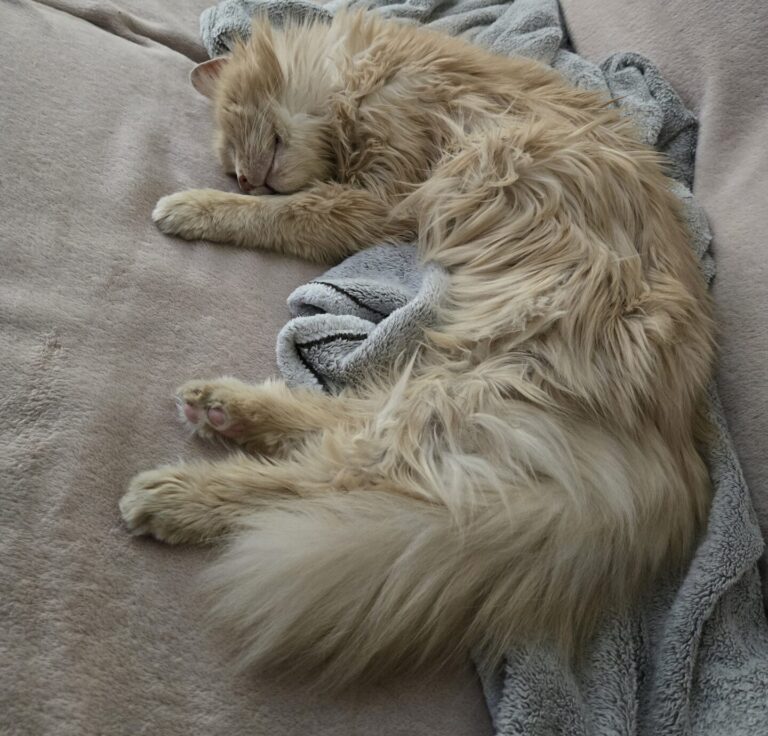
Nineteen years is a long life. Long enough to be deeply woven into someone’s heart.
Sam’s story is not about wandering far or surviving for years. It is about how quickly things can go wrong and how quickly they can be made right when people care.
- For Kelly, it meant getting her little baby back.
- For Sam, it meant going home where he belonged.
And for all of us, it is a reminder that kindness, even in small moments, matters.
Be a Part of the 80% Responsible Owners
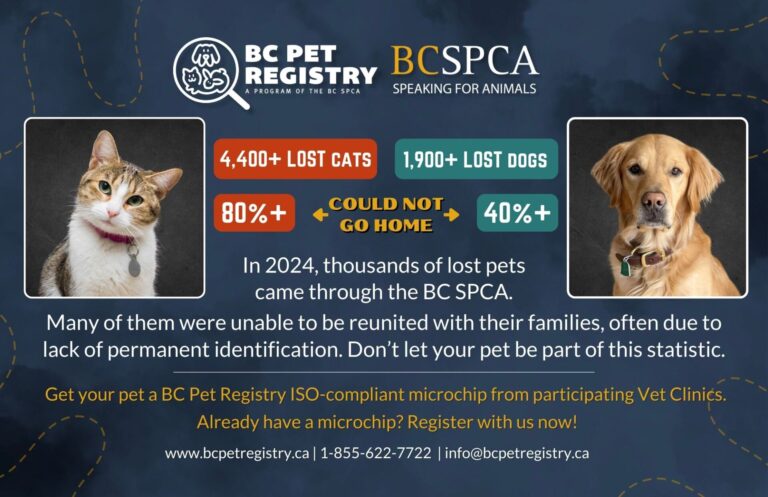
During our recent events, we scanned hundreds of pets, all with microchips implanted. Only to discover that approximately 20% of the pets’ microchips are not linked to any registries in North America. We recommend all pet owners to double check their pet’s registration and directly registering with us. All you need is the microchip number and/or tattoo code to start the online registration process. For a small, one-time fee of $45, your pet will be protected for a lifetime and you will also have contributed to the life-saving work of the BC SPCA.
Ready to Protect Your Pet
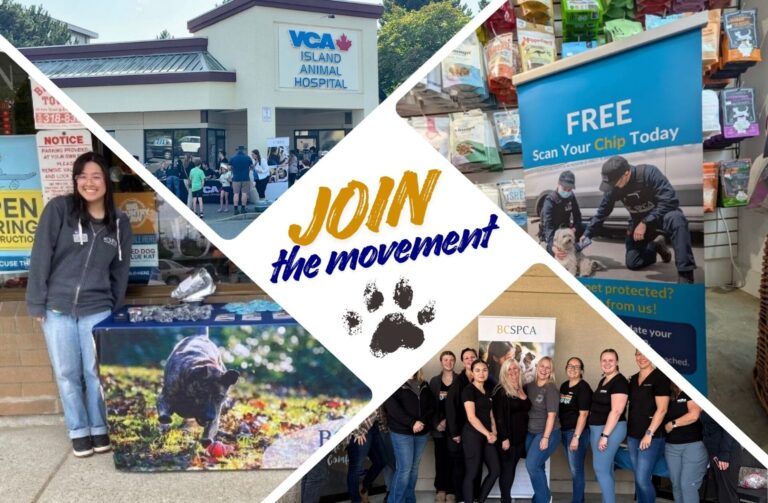
Microchipping and registration are simple steps that help protect pets for life. They support faster reunions and the life saving work of organizations like the BC SPCA.
Consider taking a moment today to make sure your pet is protected. Because one quiet night can change everything. Remember to register your pet’s microchip at BC Pet Registry.
FAQ
Q: How long can a senior cat survive outdoors?
Senior cats are more vulnerable outdoors due to mobility, hearing, and health issues. Even short periods outside can be dangerous, which is why quick action is critical.
Q: Do indoor cats need microchips?
Yes. Even indoor cats can slip out unexpectedly. A microchip provides permanent identification that stays with them for life.
Q: What should I do if I find a lost cat?
If possible, bring the cat to a local humane society, SPCA, or veterinary clinic. They can provide care and check for identification.
Q: Is microchipping required by law in BC?
Microchipping is not mandatory province wide, but it is strongly encouraged as the most reliable form of permanent identification.
Q: How much does it cost to register a pet’s microchip?
Registration with BC Pet Registry is a one time fee of 45 dollars per pet and helps support the life saving work of the BC SPCA.