
Table of Contents
The Disappearance into the Desert

Violet was small, gentle, and deeply loved. A Lhasa Poo with a trusting nature, she had no idea how dangerous the world beyond a backyard gate could be.
Vava’s daughter and son in law left Violet with family in Las Vegas for the Thanksgiving long weekend. It was meant to be a short stay. Four nights. Familiar people. Nothing that raised concern.
But just a few hours after she was dropped off, Violet was let out through the back gate intentionally. The reason was painfully simple. Someone did not feel like walking her.
The house sat on the northern edge of Las Vegas, where the backyard opened directly into the desert. No fences. No streets. Just sand, cactus, and endless open land.
No one noticed right away. No one went looking.
By the time Violet’s family returned on Sunday, she had already been missing for four days. Panic set in immediately. Violet was tiny. The desert was vast. And no search had even begun.
The Search That Felt Endless
The days that followed were heavy with fear and exhaustion.
Violet’s family visited shelters. They checked missing pet websites twice a day. They replayed every possibility in their minds, wondering how far she could have gone, or if she was still alive at all.
Hope thinned with each passing hour.
Then, more than a week after Violet disappeared, Vava’s daughter thought to check Craigslist’s found pets section.
And there she was.
The Reunion That Said Everything
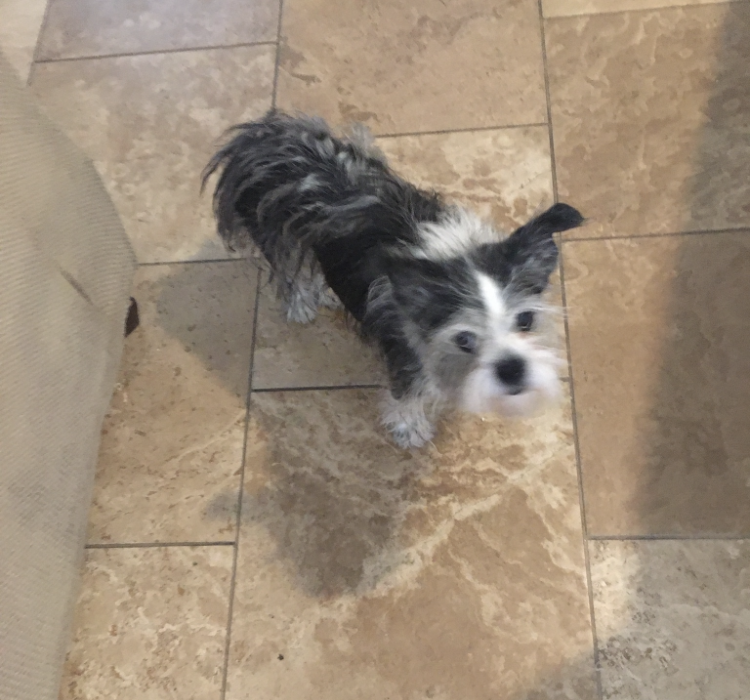
Violet had been found more than four miles away near the Clark County Shooting Complex. A man and his teenage son were at the range when the boy noticed something moving in the distance. At first, he thought it was a rabbit.
It was Violet.
They picked her up, brought her home, and posted her photo online, hoping someone would recognize her.
When Vava’s daughter arrived at their door, Violet heard her voice before she saw her. She began barking furiously, as if trying to say, “I’m here. Please take me home.”
The moment Violet jumped into her arms, there was no doubt. Even the teenage boy cried. The reunion was overwhelming for everyone in the room.
When Violet was examined by the vet, the reality of her ordeal became clear. She had lost half her body weight. From sixteen pounds down to eight.
She had survived on instinct alone.
The Timing That Changed Everything
There was one more detail that still gives Vava chills.
The very next day after Violet was found, a massive snow and ice storm hit Las Vegas. Everyone knew the truth. Violet would not have survived that weekend in the cold.
She had been found just in time.
That day, Violet was microchipped immediately.
A Reminder to Every Guardian
Violet’s journey was terrifying, but it was also deeply instructive.
She had not wandered out of curiosity. She had been let out through a gate. A single decision had placed her in danger, and a lack of preparation made the search harder than it needed to be.
Her story reminds us that pets rely entirely on us to think ahead for the moments we hope never happen. Travel plans. Pet sitting arrangements. Identification. Backup plans.
Love alone is not always enough. Preparation matters.
The Power of Proper Identification
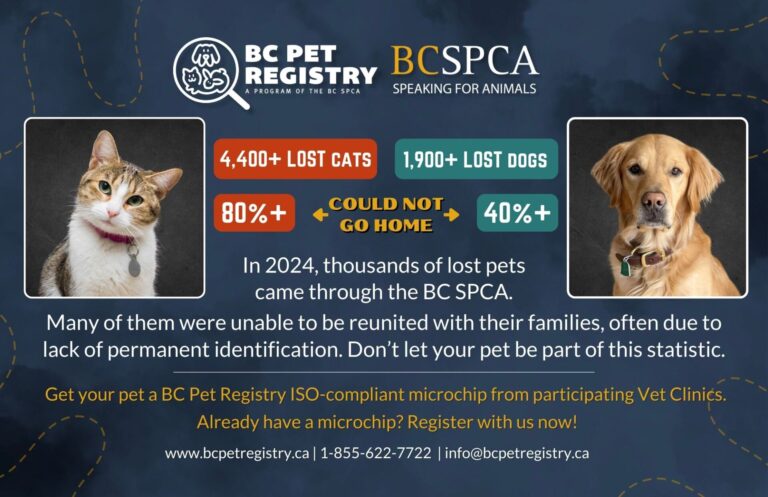
Violet did not have a microchip when she disappeared. Her reunion happened because of luck, persistence, and the compassion of strangers.
But her family knows how different the story could have been.
Microchips give lost pets a voice when they cannot speak for themselves. They allow shelters and veterinarians to contact families quickly instead of relying on chance sightings or online posts.
After Violet’s ordeal, her family made sure every pet was protected before something went wrong.
Kindness Makes All the Difference
Violet survived because people chose kindness.
A teenage boy noticed her instead of ignoring her. A family took her in. They posted her photo instead of assuming she was unwanted. And a family never stopped looking.
Reunions like Violet’s are never the result of one action alone. They happen because people care enough to act.
Takeaways: Protecting the Pets We Love
Inspired by Violet’s story? Here are gentle steps that help keep pets safe:
- Microchip your pet proactively, not after an emergency
- Make careful, informed choices about pet care while traveling
- Keep pets in familiar environments whenever possible
- Ensure anyone caring for your pet understands their responsibility
Support shelters and rescues that help reunite lost animals with families
Be a Part of the 80% Responsible Owners
During our recent events, we scanned hundreds of pets, all with microchips implanted. Only to discover that approximately 20% of the pets’ microchips are not linked to any registries in North America. We recommend all pet owners to double check their pet’s registration and directly registering with us. All you need is the microchip number and/or tattoo code to start the online registration process. For a small, one-time fee of $45, your pet will be protected for a lifetime and you will also have contributed to the life-saving work of the BC SPCA.
The Heart of It All
Violet lived many happy years after her long walk through the desert. She was safe. She was loved. And she was never taken for granted.
Her story is not just about fear or loss. It is about second chances, human kindness, and the quiet relief of holding your dog and knowing they are finally home.
For every Violet who finds her way back, there are others still waiting.
And sometimes, the smallest act of preparation can make all the difference.
👉 Consider microchipping your pet and supporting the BC SPCA, so more stories can end the way Violet’s did.
FAQ
Q: What should I do if my dog goes missing in BC?
Contact your local SPCA immediately, file a lost pet report, and share clear, recent photos. Search your neighbourhood during quiet hours, check yards, garages, and nearby open areas, and post on local lost pet groups. If your dog has a microchip, ensure it is registered and up to date so shelters can contact you quickly.
Q: How does microchipping help reunite lost dogs with their families?
A microchip links your dog to your contact information in a secure database. When a lost dog is brought to a shelter or veterinary clinic, staff can scan for the chip and contact you directly, often within hours.
Q: Do small dogs need microchips too?
Yes. Small dogs are especially vulnerable if lost. A microchip provides permanent identification that cannot fall off like a collar and greatly increases the chance of a safe return.
Q: What should I do if I find a lost dog?
If it is safe to do so, bring the dog to a local SPCA, shelter, or veterinary clinic so they can be scanned for a microchip. You can also share photos in local community groups, but avoid assuming the dog is abandoned.
Q: How long can lost dogs survive outdoors?
Survival depends on weather, access to water, traffic, and predators. Some dogs survive days or weeks, but the risks increase quickly. Early action and identification are critical.
Q: Is microchipping required by law in BC?
Microchipping is not mandatory province wide, but it is strongly encouraged. It remains one of the most reliable ways to ensure a lost dog can be returned home.
Q: How much does it cost to microchip a dog in BC?
Microchipping usually costs between 60 and 120 dollars at most veterinary clinics. Some shelters and community events offer low cost or free microchipping opportunities.
Q: Can I update my contact information after microchipping?
Yes. Keeping your phone number and address current is essential. Outdated information is one of the most common reasons reunions are delayed.