
“I don’t need to microchip her. She never goes outside.”
It’s one of the most common things we hear. And it makes sense. If your cat lives indoors, sleeps on the couch, and watches the world through the window, microchipping can feel unnecessary. But here’s the quiet truth. Most lost indoor cat cases begin with the same sentence. “But, she’s strictly an indoor cat.” So let’s answer the question clearly.
Do indoor cats need microchips?
Yes. And here’s why.
Table of Contents
Why Indoor Cats Still Get Lost
Indoor cats rarely “run away.” They slip out.
An indoor cat escape usually happens during:
- Moving day
- Renovations
- Guests coming and going
- Deliveries
- Fire alarms or emergencies
- Open windows during summer
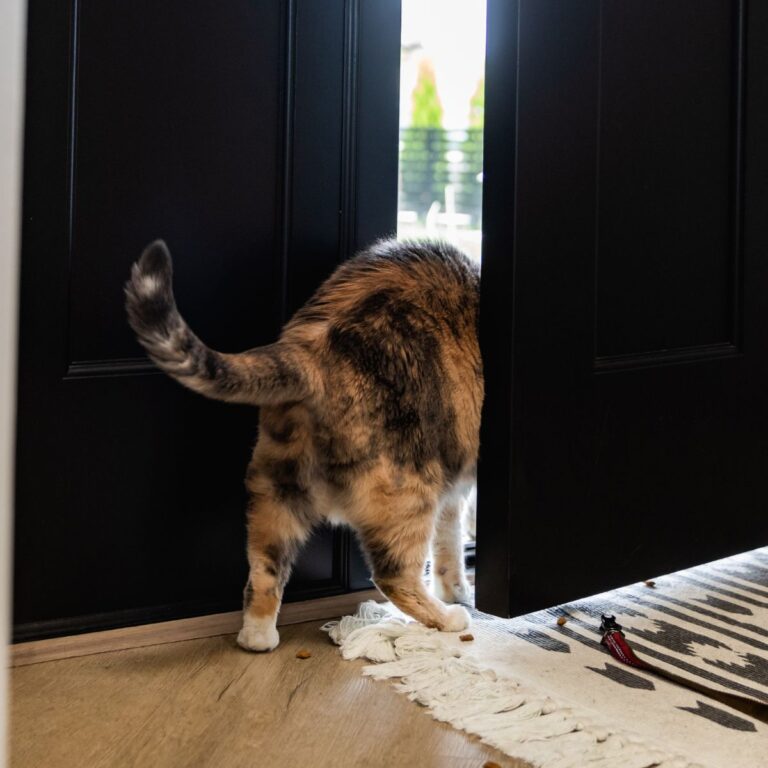
It takes only seconds. And when indoor cats end up outside, they often panic. They hide. They freeze. They do not come when called. They stay under decks, bushes, or parked cars.
That makes them much harder to locate than outdoor cats who are used to navigating the neighbourhood.
This is when permanent identification becomes critical.
What Happens When a Lost Indoor Cat Is Found?
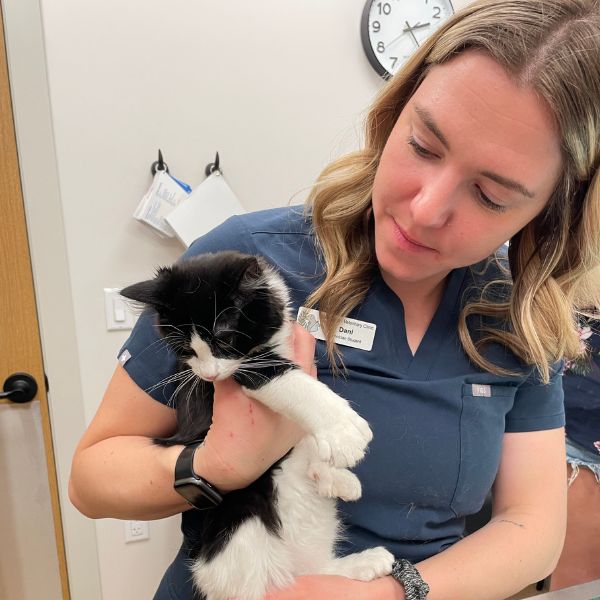
If someone finds your cat and brings them to a veterinary clinic or shelter, here is what happens:
- Staff scan for a microchip.
- The microchip number appears.
- That number is searched in a registry database.
- The guardian is contacted if the information is current.
If the chip is not registered, or the phone number is outdated, the connection can stop there.
That is why pet microchip registration in BC is just as important as the chip itself.
A microchip without registration is simply a number.
Microchip vs Collar: Do You Need Both?
Collars are helpful. They provide immediate visible information.
But collars can:
- Break away
- Slip off
- Get caught and removed
- Lose tags
A microchip, on the other hand:
- Is implanted under the skin
- Cannot fall off
- Does not require batteries
- Stays with your cat for life
The safest approach is layered protection.
A collar for visibility.
A microchip for permanence.
But again, registration is what makes it work.
A Real Example From BC

Even pets who rarely roam can end up far from home in seconds.
In Qualicum Beach, a young dog named Jozie bolted after a fallen tree startled her on an off-leash trail. She ran roughly two kilometres toward town before kind strangers safely caught her and brought her to a veterinary clinic.
Because her microchip was registered with current contact details, her guardian received a call quickly and they were reunited.
You can read her full story here:
👉 Jozie’s Story
Jozie’s story is a reminder. Panic happens fast. Preparation matters.
The Overlooked Risk: Moving With an Indoor Cat
One of the highest-risk times for a lost indoor cat is during a move.
Boxes everywhere. Doors open repeatedly. Stress levels are high.
If you are moving in BC, make sure to:
- Confirm your microchip is registered
- Update your address
- Verify your phone number
- Add a backup contact
Life changes. Your microchip record needs to change with it.
How to Properly Protect Your Indoor Cat
If you are asking if indoor cats need microchips, here is your action plan.
Step 1: Microchip Your Cat
If your cat is not microchipped, speak to your veterinarian. The procedure is quick and commonly done during routine care.
Step 2: Register the Microchip Immediately
After implantation:
- Confirm the microchip number
- Complete registration
- Double-check your contact information
You can register or update your pet’s information here:
👉 https://bcpetregistry.ca/register/
Step 3: Review Registration Annually
Once a year, log in and confirm:
- Phone number
- Address
- Emergency backup contact
- Photos
Outdated contact information is one of the most common reasons reunions are delayed.
What If You Find a Cat Outside?
If you find a friendly cat that appears lost:
- Check for a collar
- Bring them to a veterinary clinic or shelter for a free microchip scan
- Avoid assuming they are abandoned
Many “stray” cats are indoor pets who slipped out and are deeply missed.
You can also explore additional reunion stories here:
👉 https://bcpetregistry.ca/stories/
Each one started with uncertainty. Each one ended with a phone call.
The Bigger Picture
Most guardians do not microchip out of fear.
They microchip out of readiness.
An indoor cat may never step outside intentionally. But if they do slip out once, permanent identification becomes everything.
The question is not whether your cat plans to roam.
The question is whether you are prepared if something unexpected happens.
The Bottom Line
Indoor does not mean immune.
A cat who never goes outside can still disappear during a move, a renovation, or an emergency.
So, do indoor cats need microchips?
Yes. Because life happens quietly.
If your cat is already microchipped, take a few minutes today to confirm the registration is complete and your contact details are current.
Pet microchip registration BC systems exist for one reason.
To turn a found pet into a phone call.
And that phone call can mean everything.
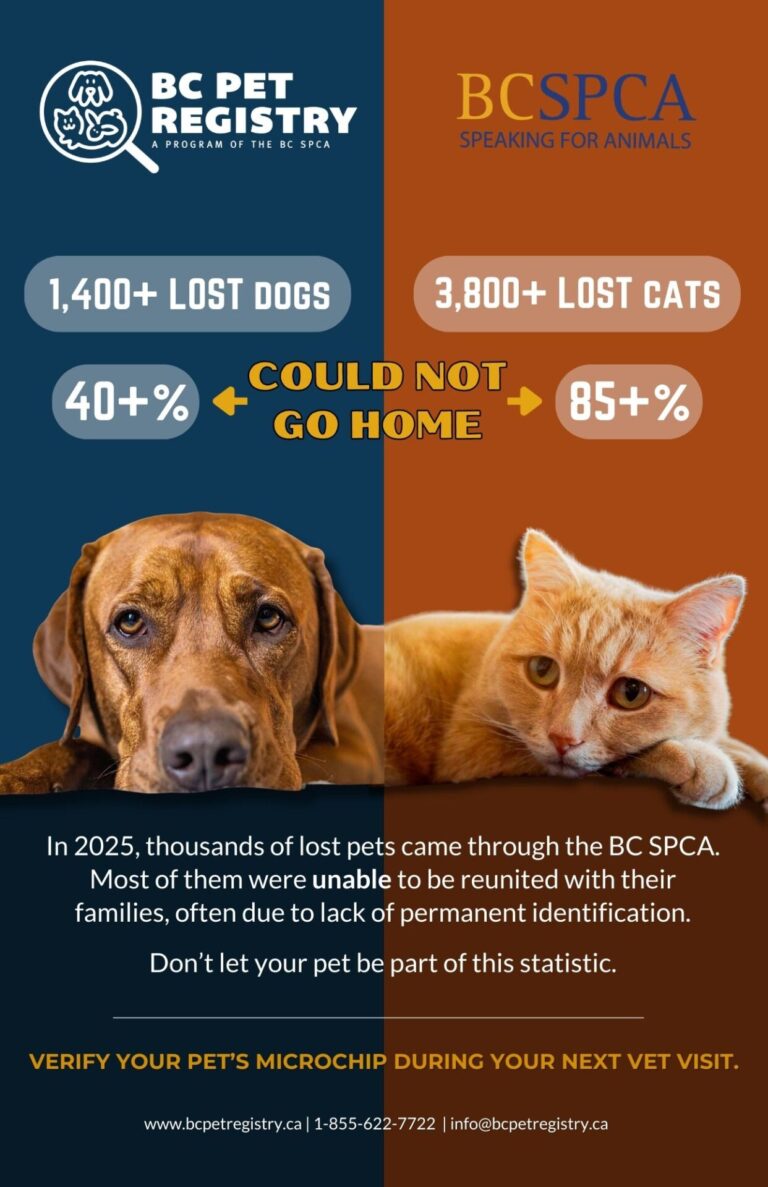
According to the BC SPCA’s 2025 statistics, over 85% of cats arriving at their facilities were unable to return home because they lacked permanent identification or had outdated contact details. Protect your pet by making sure their identification is accurate and up to date.
Be a Part of the 80% Responsible Owners
During our recent events, we scanned hundreds of pets, all with microchips implanted. Only to discover that approximately 20% of the pets’ microchips are not linked to any registries in North America. We recommend all pet owners to double check their pet’s registration and directly registering with us. All you need is the microchip number and/or tattoo code to start the online registration process. For a small, one-time fee of $45, your pet will be protected for a lifetime and you will also have contributed to the life-saving work of the BC SPCA.
FAQ
Q: Do indoor cats really need microchips if they never go outside?
Yes. Many lost indoor cat cases happen during moves or emergencies. Microchips provide permanent identification if they are found.
Q: Is a collar enough protection?
No. Collars can fall off. A microchip provides lifelong backup identification.
Q: How do I register my cat’s microchip in BC?
Visit https://bcpetregistry.ca/register/ and complete registration with your current contact details.
Q: Can I update my contact information later?
Yes. You can log in anytime to update your phone number, address, or emergency contact.