
Planning your pet’s spay or neuter surgery? World Spay Day is a great reminder to consider microchipping at the same time. Learn why vets recommend this approach, how it feels for your pet, and why microchip registration matters just as much as the chip itself.
Microchip During Spay or Neuter Surgery: What First-Time Pet Parents Should Know
World Spay Day encourages responsible pet care, and it also creates the perfect moment to microchip during spay or neuter surgery. For first-time pet parents in British Columbia, this approach often feels simpler and less stressful. Because your pet already visits the clinic, you can complete two important steps at once. As a result, many veterinarians recommend this timing whenever possible.
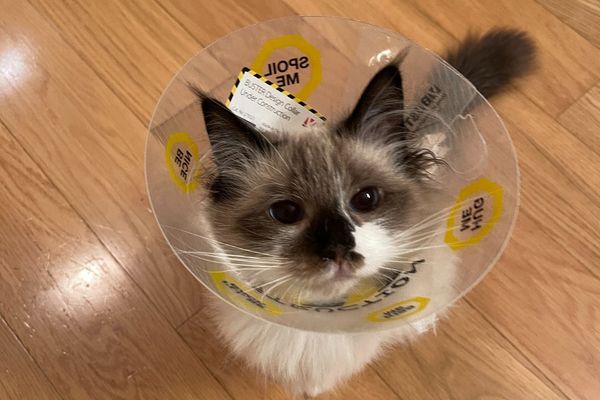
Why Vets Recommend Microchipping During Surgery
Veterinarians often recommend microchipping at the same time as a spay or neuter surgery because it’s the most convenient and efficient moment to do it. Since your pet is already under anesthesia, the process is completed without them being aware of it. It adds virtually no time to the procedure or recovery, and your pet goes home with the lifelong benefit of being permanently identifiable.
Microchip during spay or neuter surgery also reduces the need for extra appointments. Therefore, first-time pet parents often find this option easier to manage.
Does Microchipping Hurt Your Pet?
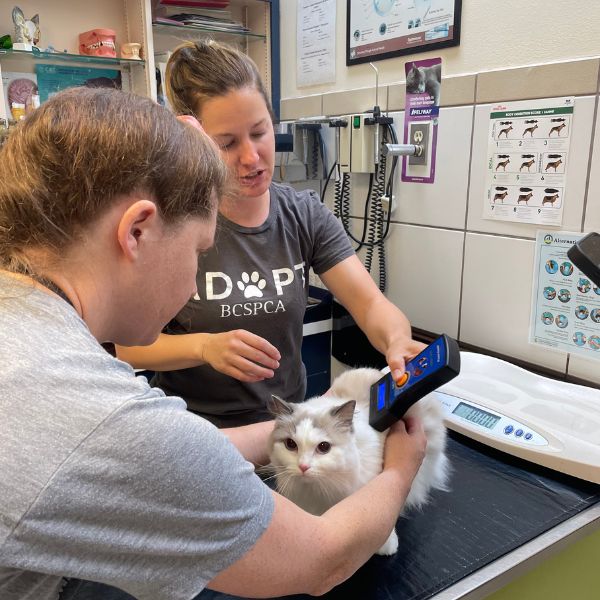
During surgery, your pet does not feel the microchip being placed. This is one reason vets recommend this timing. However, even without surgery, microchipping feels similar to a routine vaccine. The injection happens quickly, and most pets react very little. In fact, the BC SPCA, along with many of our partners, regularly hosts microchip clinics that provide free microchipping for pets without the need for sedation. BC PET REGISTRY – Community News
Because of this, microchip during spay or neuter surgery offers peace of mind for many pet parents. It removes anxiety about discomfort while protecting your pet long-term.
Is Microchipping Safe for Puppies and Kittens?
Yes, microchipping is safe for puppies and kittens. In fact, early identification protects pets before they become curious explorers. When you microchip during spay or neuter surgery, your pet receives permanent identification before heading home.
As your life journey changes, you can also update your contact details. That flexibility helps ensure your pet always remains linked to you.
Why Microchip Registration Matters Just as Much
A microchip alone cannot reunite you with your pet. Registration makes the difference.
After surgery, you will have many things to manage. However, microchip registration deserves equal attention. Once your pet has a microchip, log in to your pet registry account and verify your information. If your phone number or address changes, update it right away.
If you received a BC Pet Registry microchip, you can log in through your existing account.
Not sure which microchip your vet uses? Read our guide on questions to ask before microchipping.
If your pet is not microchipped yet, learn why microchip information is not stored with your veterinarian.
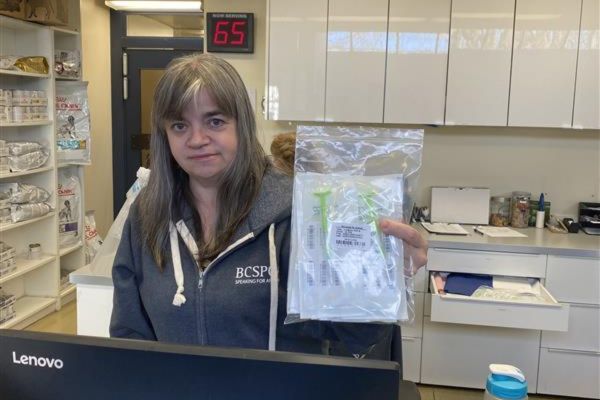
Choosing a veterinary clinic that uses BC Pet Registry microchips means selecting a team that values both animal welfare and community impact. The BC Pet Registry is the only non‑profit microchip registry in British Columbia dedicated to creating meaningful social change. To date, it has donated more than 10,000 microchips to rescue organizations across the province. If your clinic is not yet using BC Pet Registry microchips, consider encouraging them to do so. By supporting the BC Pet Registry, veterinary clinics also support the well‑being of communities throughout BC. Check out our community work here: Community News – BC Pet Registry
Quick Checklist for Post-Surgery:
[ ] Monitor the incision site.
[ ] Keep your pet calm and quiet.
[ ] Keep E-Collar (cone) on.
[ ] Administer medication as directed by the clinic.
[ ] Register the microchip number at BC Pet Registry.
Here’s our Surgical Aftercare Guide for reference from the BC SPCA Prince George Spay and Neuter Clinic.
A Simple Step That Protects Your Pet for Life
Microchip during spay or neuter surgery gives first-time pet parents a simple, stress-free option. More importantly, registration ensures the microchip actually works when it matters most.
Got a microchip but not registered yet? Register your pet today with BC Pet Registry.
Additional Resources
FAQs
1. Should I microchip during spay or neuter surgery?
Yes. Many veterinarians recommend microchipping during spay or neuter surgery because your pet is already sedated. As a result, your pet does not feel the microchip being placed. This timing also saves you an extra appointment and ensures your pet leaves the clinic permanently identifiable.
2. Does microchipping hurt pets if they are sedated?
No. When you microchip during spay or neuter surgery, your pet does not feel the injection at all. Even without sedation, microchipping feels similar to a routine vaccine and takes only a few seconds.
3. Is microchipping safe for puppies and kittens?
Yes. Microchipping is safe for puppies and kittens. In fact, early microchipping helps protect pets before they become more adventurous. When done during surgery, it adds no extra recovery time.
4. Why is microchip registration important in British Columbia?
A microchip alone cannot reunite you with your pet. Registration links the chip number to your contact information. Without registration, shelters and vets cannot contact you if your pet is found. Therefore, keeping your registration up to date is just as important as the microchip itself.
5. How do I know which microchip registry my pet uses?
You can ask your veterinarian which microchip brand they use before the procedure. You can also scan your pet’s microchip at a vet clinic or shelter. If you are unsure, review this guide on questions to ask your vet before microchipping.