
Boots disappeared just weeks after his family moved to a new neighbourhood. Despite having a microchip, there was no traceable registration information to connect him back to his family when he was found. Six months later, a remarkable chain of fortunate events finally brought him home. Boots’ story is a powerful reminder that reunions should never depend on luck. Every pet owner should verify their microchip registration and ensure their contact information is accurate before an emergency happens.
What If Your Pet's Microchip Doesn't Lead Home?
In July 2025, Boots slipped out of his family’s new home in Vancouver and vanished into the night.
Jordan and her family had only lived in the neighbourhood for a few weeks. When Boots failed to return, they launched an extensive search. They posted on social media, knocked on doors, searched by bike and car, and registered him with local lost pet groups. They even searched their previous neighbourhood.
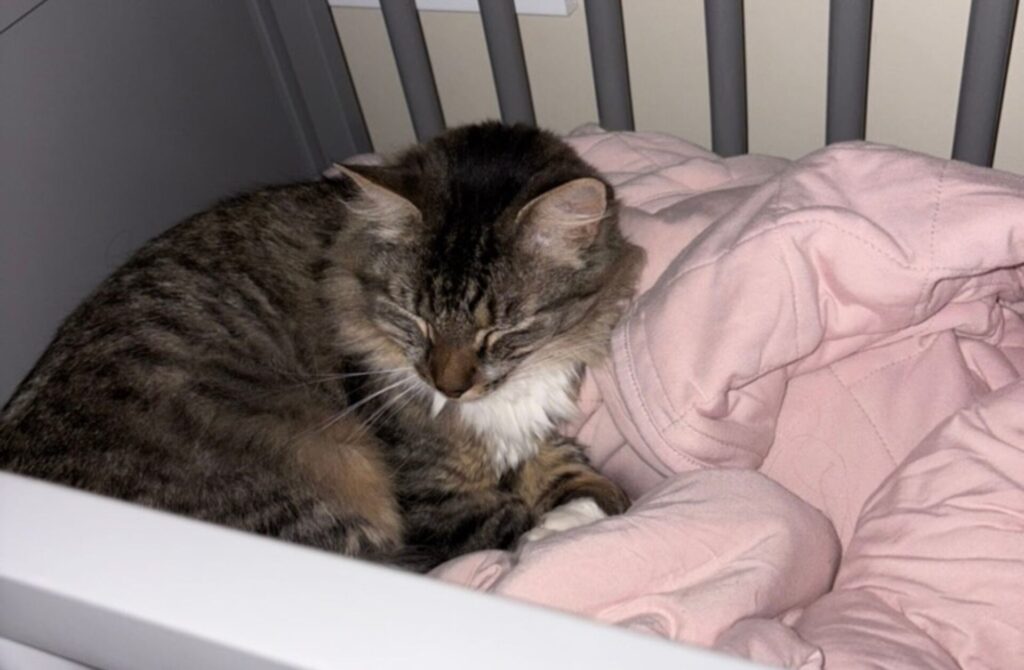
However, despite months of effort, they found no trace of him.
By October, the family feared the worst.
What they did not know was that Boots had already encountered a problem that many pet owners never think about until it’s too late.
The Microchip That Couldn't Lead Anyone Home
In early December 2025, a cat matching Boots’ description was brought to the BC SPCA Vancouver Branch after being found roaming in Vancouver’s Kerrisdale neighbourhood.
The cat had a microchip.
Normally, that should have been the end of the story.
However, when staff searched for the microchip information, they could not trace it back to an owner or clinic.
As a result, nobody could contact Boots‘ family.
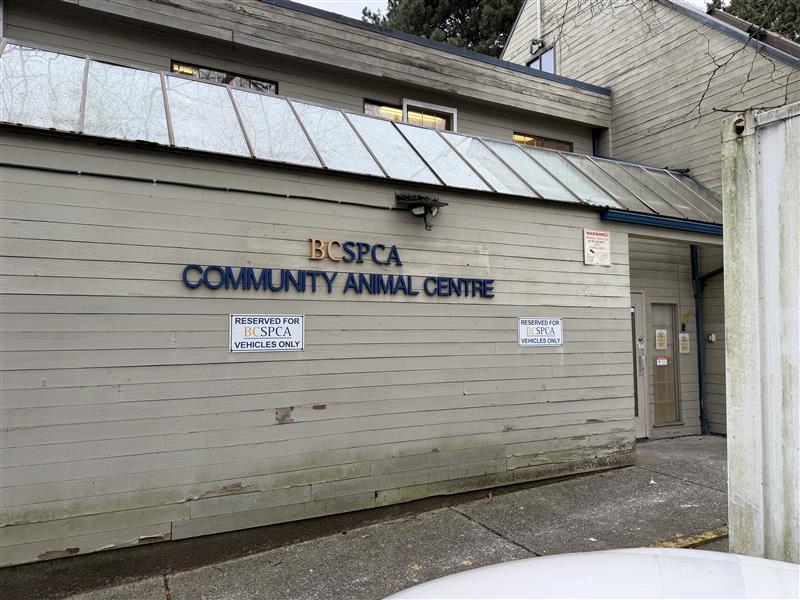
After arriving at the BC SPCA, Boots was taken to a local veterinary clinic for care while the stray hold process was completed. Soon after, the holiday season arrived. Luckily, staffing shortages and holiday scheduling delays meant adoption postings were not published as quickly as they normally would have been. As a result, Boots remained in care while waiting for his next chapter.
Had those postings gone live sooner, Boots may have already been adopted before his family ever learned where he was.
Meanwhile, his family continued living with unanswered questions.
Why Microchip Registration Matters
Many pet owners assume that getting a microchip automatically means their contact information is attached to it.
Unfortunately, that is not always the case.
A microchip is only a number. The number becomes useful when someone registers it and connects it to current contact information.
Because of this, microchip registration plays a critical role in pet reunification.
At BC Pet Registry, we often remind pet owners that clinics and owners share responsibility for ensuring information is entered correctly. Nevertheless, every pet owner should personally verify that their registration is complete and accurate.
Even if a clinic helps with registration, mistakes can happen. Information can also become outdated after a move, phone number change, or transfer of ownership.
Therefore, pet owners should regularly review their records.
A Family Learns the Truth Six Months Later
By September 2025, Jordan had welcomed a new baby into the family.
At the same time, she continued searching for Boots while caring for four-year-old twins and adjusting to life in a new home.
Eventually, she found paperwork confirming that Boots had been microchipped. That discovery gave her hope.
She decided to step back from constant searching and trust that the microchip would bring him home if someone found him.
Months passed.
Then, in January 2026, Jordan’s sister luckily spotted a Facebook post showing a found cat.
Immediately, Jordan recognized him.
“How is this possible? It's been six months, but it's him!” – Jordan, pet owner
The family rushed to identify the cat.
The microchip number matched the documentation they had received when Boots was implanted.
After six long months, the mystery was finally solved.
The Reunion Nobody Expected
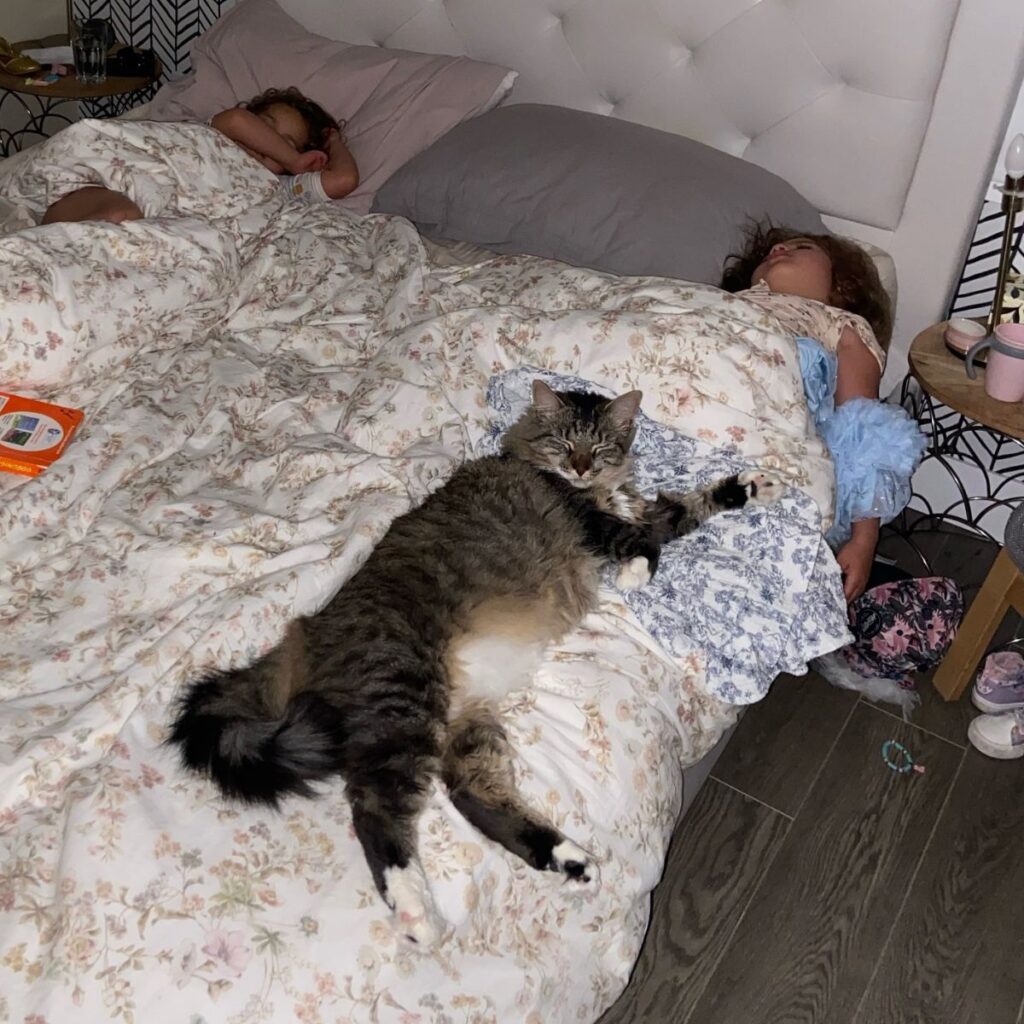
Jordan, her husband, and their children immediately drove to reunite with Boots.
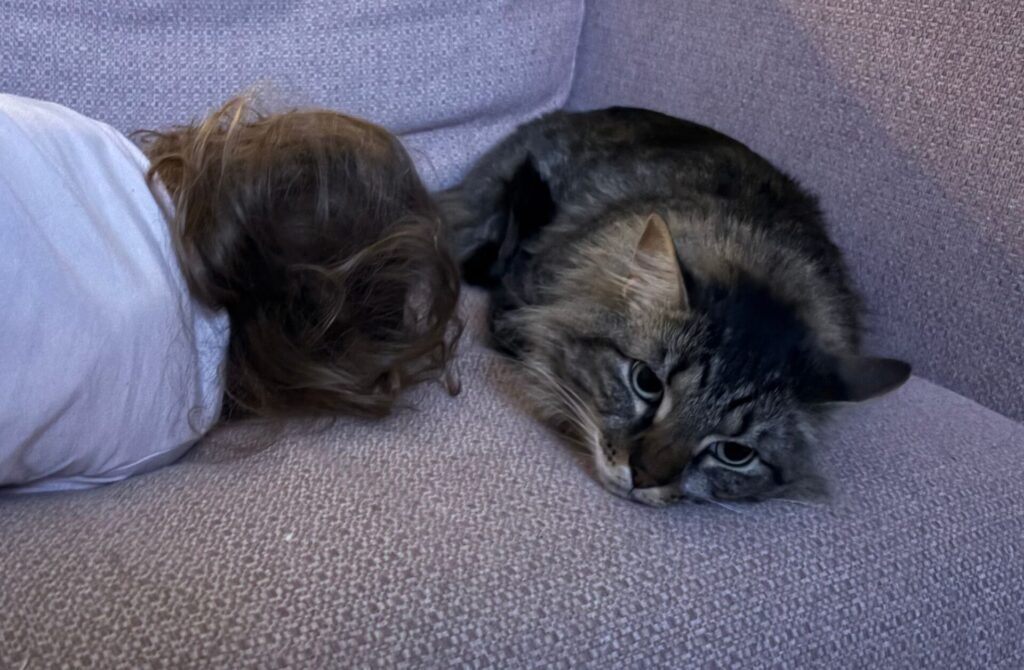
"He was a bit shy, but he knew us," – Jordan, pet owner
Boots had travelled approximately 20 blocks from home.
Even more remarkable, he returned after gaining a brand-new human baby sister he had never met.
At the time of the reunion, a foster family was preparing to finalize his adoption. Fortunately, they fully supported returning Boots to his original family. Had the adoption already been finalized, the situation could have become far more complicated.
Once again, luck was on Boots’ side.
Today, Boots is back where he belongs.
According to Jordan, he may even be friendlier than before.
What Pet Owners Can Learn From Boots' Story
Boots’ story raises an important question:
If your pet went missing tonight, would their microchip actually lead back to you?
Many owners do not know the answer.
What’s striking about Boots’ reunion is how many fortunate events had to occur for him to make it home.
- A Facebook post had to be seen by the right person.
- That post had to be shared widely enough to reach his family.
- Holiday staffing shortages delayed adoption postings.
- A foster family was willing to return him when his original family was identified.
Any one of those circumstances could have unfolded differently.
The reality is that reunions should not depend on luck.
When microchip registration is completed properly and kept up to date, shelters, veterinarians, and animal welfare organizations can contact owners directly. Families can be reunited quickly, often before social media posts, foster placements, or adoption plans ever become necessary.
That’s why we encourage every pet owner to verify their microchip registration today.
- First, confirm that your microchip number is registered.
- Next, review your contact information carefully.
- Then, download or print a copy of your Certificate of Registration for your records.

If you recently moved, changed phone numbers, adopted a pet, or rehomed one, update your information immediately.
Most importantly, never assume someone else completed the registration process correctly.
Check Your Microchip Registration Today
Boots waited six months for a reunion.
His family nearly lost hope.
Luckily, a series of fortunate events—including a Facebook post, delayed adoption timelines, and a compassionate foster family—helped connect the final pieces of the puzzle before he was adopted into another home.
But reunions should not depend on luck.
Take a few minutes today to review your microchip registration and ensure your information is accurate.
You can log in to your account here: LOG IN
If you discover your microchip is not registered, you can register it here: REGISTER
Need help after a pet goes missing? Visit our lost pet resources page.
If you have adopted or rehomed a pet, learn more about ownership transfers here.
Boots waited six months for a reunion. Don’t wait until your pet goes missing to discover a registration problem.
FAQs
1. Is a microchip enough to reunite me with my pet?
No. A microchip only contains a unique identification number. The number must be connected to current owner information through proper microchip registration.
2. How do I know if my pet’s microchip is registered?
Log in to your microchip registry account and verify that your pet’s information and contact details are listed correctly. You should also download a copy of your Certificate of Registration.
3. How often should I review my microchip registration?
Review your registration at least once a year and anytime you move, change phone numbers, update email addresses, or transfer ownership.
4. Who is responsible for registering a microchip?
Registration can be completed by a veterinary clinic or pet owner, depending on the situation. However, pet owners should always verify the registration themselves to ensure the information is accurate.
5. What should I do if I discover my microchip is not registered?
Register the microchip immediately and confirm that all contact details are correct. Keeping information current greatly improves the chances of a successful reunion.