No one ever expects it to happen to them.
A door left open for just a moment.
A loud noise that sends a dog running.
A cat that slips out silently in the night.
At first, there is hope. You call their name. You walk the neighbourhood. You tell yourself they will come back.
Sometimes, they do.
But sometimes, they don’t.
And the hardest truth, the one most people do not hear enough, is this:
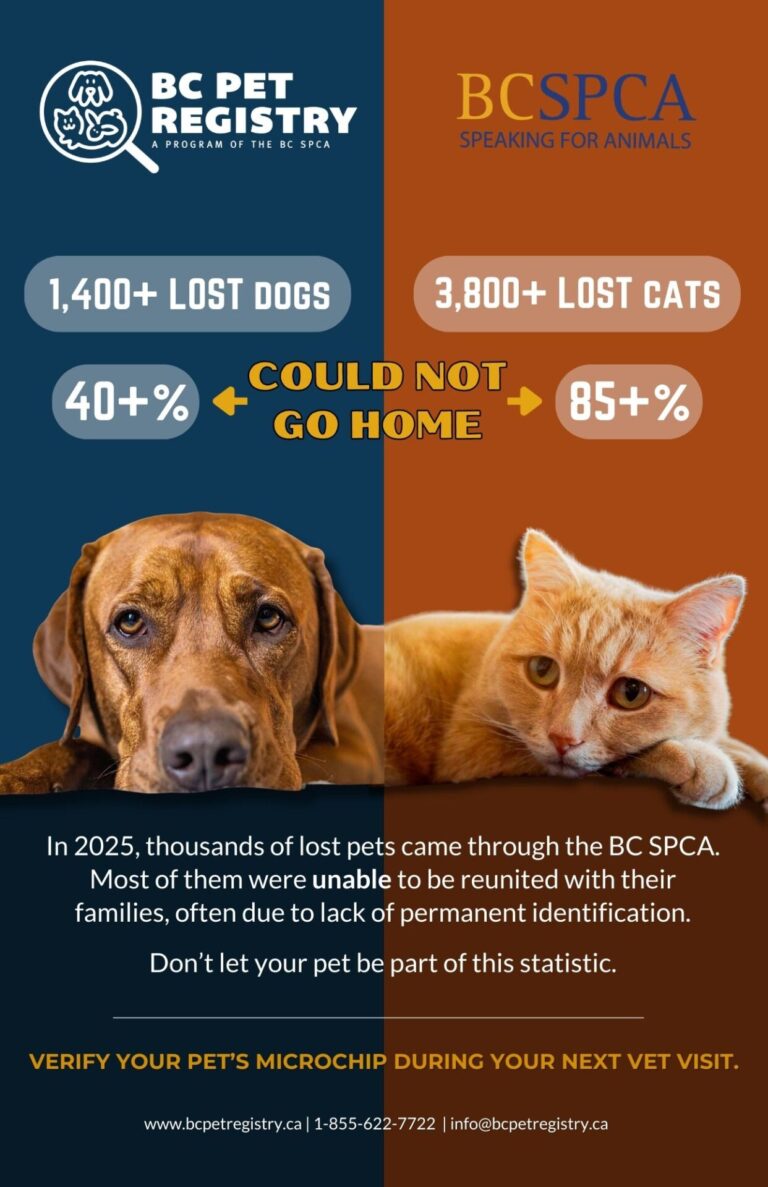
Many lost pets are found. They just are not identified.
This is where stories begin to diverge. Some end in reunion. Others fade into uncertainty.
Understanding why lost pets don’t get found is not about fear. It is about giving your pet the best possible chance of coming home.
Table of Contents
The Quiet Reality Behind Lost Pets
When a pet goes missing, most guardians imagine the same scenario.
Their pet is out there, lost, trying to find their way back.
But often, something else is happening.
A kind stranger finds them.
A neighbour takes them in.
A veterinary clinic or shelter receives them.
They are safe.
But without identification, there is no way to connect them back to you.
This is one of the most common reasons reunions do not happen.
The Most Common Reasons Reunions Fail
1. No Permanent Identification
Collars can fall off. Tags can break.
Without a microchip or tattoo, there is no reliable way to identify a pet once they are separated from their home.
A friendly cat may be assumed to be a stray.
A dog without tags may be taken in but never traced.
Identification is the first link in the chain.
2. Microchip Not Registered
This is one of the most common gaps.
A pet is microchipped. The guardian believes they are protected.
But the chip was never registered.
When the pet is scanned, a number appears.
But there is no contact information attached to it.
The trail ends there.
3. Outdated Contact Information
Life changes quickly.
You move.
You change phone numbers.
You switch email addresses.
If your microchip record is not updated, the result is the same as not being registered at all.
A clinic calls the number on file.
It is disconnected.
No answer. No backup contact.
The opportunity for reunion slips away.
4. No Backup Contact
This is the step many people overlook.
Even if your information is correct, what happens if:
- You are traveling
- Your phone is off
- You are out of service
Without a backup contact, there is no one else to call.
Adding a trusted local contact can make the difference between delay and immediate action.It also helps prevent animals from entering a shelter environment, which can be stressful for pets even for a short stay.
5. Not Understanding the Role of Veterinary Clinics
When a lost pet is found, one of the first places they are often brought is a veterinary clinic.
Clinics play a critical role in scanning pets for microchips and helping start the identification process. They are often the bridge between a found animal and the registry system that connects them back to their guardian.
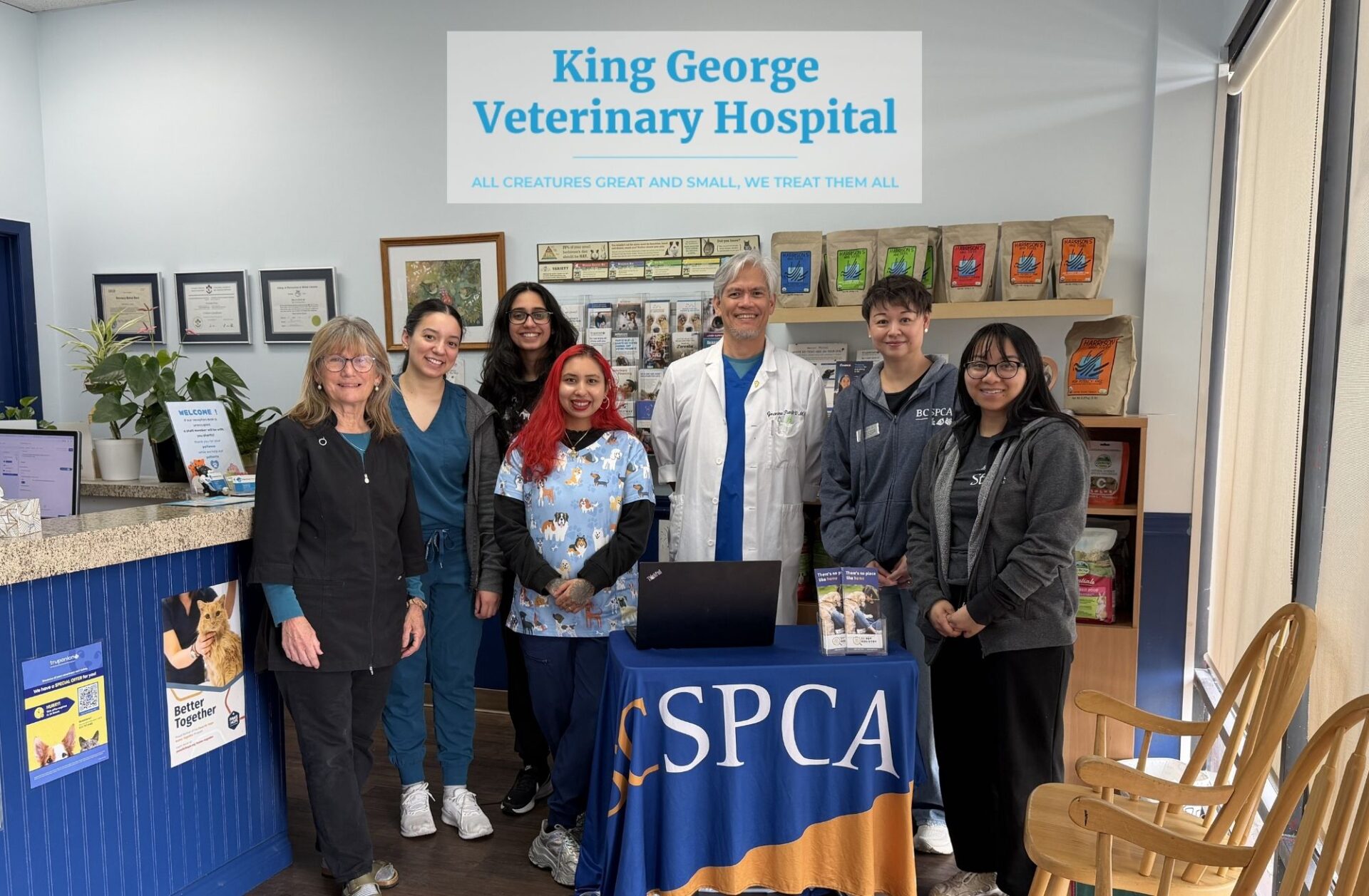
BC Pet Registry also works with veterinary clinics across the province to support animal welfare efforts, including helping provide microchips to rescue organizations so more pets can be identified before they ever go missing.
You can learn more about how veterinary clinics support this work here:
👉 https://bcpetregistry.ca/stories/information/bc-pet-registry-microchips-veterinary-clinics/
Understanding this connection helps explain why having accurate, up-to-date registration is so important when that scan happens.
When Everything Goes Right
Across BC, reunions happen every day.
A pet is found.
They are brought to a veterinary clinic or shelter.
A microchip is scanned.
A phone rings.
Within minutes, a family goes from worry to relief.
These moments are not luck.
They are the result of preparation.
You can explore real reunion stories here:
https://bcpetregistry.ca/stories/
The Small Steps That Change Everything

The difference between a lost pet staying lost and coming home often comes down to a few simple actions.
Register Your Pet’s Microchip
If your pet is microchipped, confirm it is registered with your contact details.
You can register or update your information here:
https://bcpetregistry.ca/register/
Keep Your Information Current
Every move. Every new phone number. Every life change.
Take a few minutes to update your details.
Add a Backup Contact
Choose someone local who can step in if you cannot be reached.
Make sure they are aware and willing.
Use Multiple Forms of Identification
A collar and tag provide immediate visibility.
A microchip provides permanent backup.
Together, they create a stronger safety net.
Keep Recent Photos
Clear photos help others recognize and report your pet if they are found.
Print a copy of the Certificate of Registration
When your pet is registered with the BC Pet Registry, you can log in and update the information as often as needed. This includes adding a photo to your pet’s profile and adding a co-owner’s contact information, all at no additional cost. Be sure to download a copy of the Certificate of Registration for your records.
While the BC Pet Registry is not considered legal proof of ownership, it is often very helpful for authorities when confirming who a pet is registered to. For example, we have seen situations where a new puppy wandered into a neighbourhood and a neighbour attempted to claim the puppy as their own. Because the registration information was up to date, ownership was confirmed immediately and without dispute.
Community Matters More Than You Think
Pet safety is not just about what you do as an individual.
It is also about the people and systems around you.
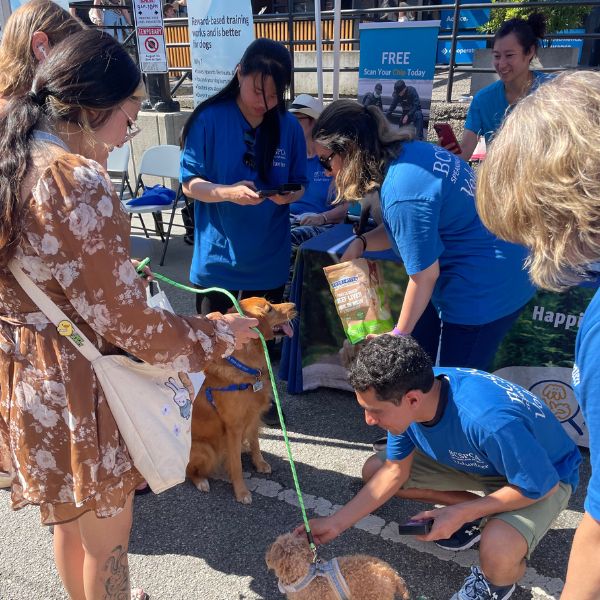
Veterinary clinics, shelters, rescue organizations, and community programs all play a role in helping lost pets find their way back home. When these groups are connected through tools like microchips and registries, reunions can happen quickly and with less stress for everyone involved.
That connection only works if the information behind it is accurate.
Be a Part of the 80% Responsible Owners
During our recent events, we scanned hundreds of pets, all with microchips implanted. Only to discover that approximately 20% of the pets’ microchips are not linked to any registries in North America. We recommend all pet owners to double check their pet’s registration and directly registering with us. All you need is the microchip number and/or tattoo code to start the online registration process. For a small, one-time fee of $45, your pet will be protected for a lifetime and you will also have contributed to the life-saving work of the BC SPCA.
The Bottom Line
Losing a pet is one of the most stressful experiences a guardian can face.
But many reunions depend on something simple.
Not luck.
Not timing.
Preparation.
A microchip that is registered.
Contact information that is current.
A backup contact ready to help.
These small steps create a path home.
Take a few minutes today to make sure that path exists for your pet.
Because if the moment ever comes, you will want everything in place to bring them back.
FAQ
Q: Why do some lost pets never get found?
Many lost pets are actually found but cannot be identified due to lack of microchips, unregistered chips, or outdated contact information.
Q: Does a microchip guarantee my pet will be returned?
A microchip greatly increases the chances, but only if it is registered and your contact details are current.
Q: What is the most common reason microchips fail?
The most common issue is not the chip itself, but missing or outdated registration information.
Q: Should I add a backup contact to my pet’s microchip?
Yes. A backup contact ensures someone can be reached if you are unavailable.
Q: Where can I update my pet’s microchip information in BC?
You can update or register your pet’s information at:
https://bcpetregistry.ca/register/