
Lost your cat in BC? Acting quickly can make all the difference. Start by updating your cat’s microchip information with the BC Pet Registry, then notify local BC SPCA centres, municipal animal control, and nearby veterinarians. Spread the word online and include clear photos and details about your cat. Follow these steps to improve your chances of a safe reunion—take Mike’s story as an example of how updated microchip info can make all the difference!
Lost Your Cat in BC? How to Quickly Report and Improve Recovery Chances
Losing a cat can be stressful and heart-wrenching, but acting quickly can make a huge difference in bringing them home. Knowing how to report a lost cat ensures that authorities, neighbors, and animal lovers can help locate your pet as soon as possible.
While collars and tags can fall off, a microchip provides a permanent way to identify your cat. Make sure your contact information is current in the microchip registry before reaching out to shelters or authorities.

Step 1: Verify and Update Microchip Information
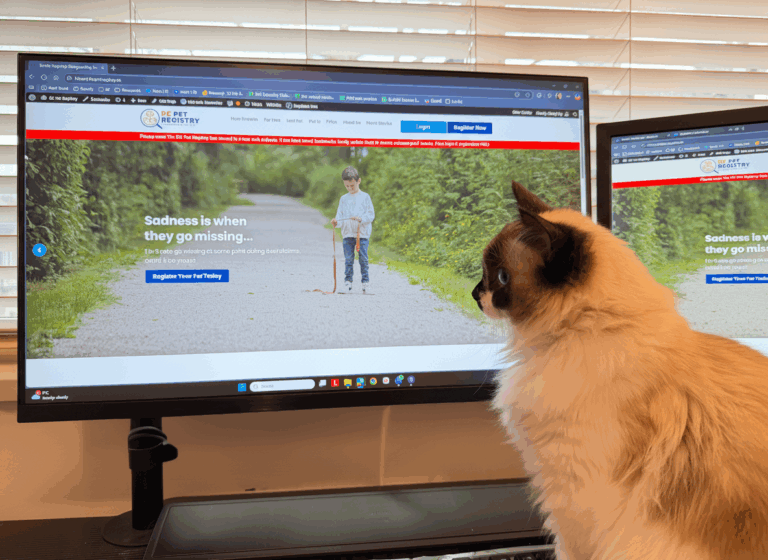
Before filing any reports, double-check your cat’s microchip information. If registered with the BC Pet Registry, log in to confirm your contact details are correct. You can also mark your cat as lost in your account, which alerts staff when your pet is scanned.
Tip: Cats brought to BC SPCA centers can be quickly identified if their microchip is registered and updated. Accurate microchip info is often the fastest way to reunite with your cat.
Did you know? In 2024, over 4000 stray cats were brought to BC SPCA and 40% of them were unable to go home! If you don’t have a BC Pet Registry account, consider registering your pet’s microchip now—it’s the most important step in protecting your cat.
Step 2: Notify BC SPCA Locations
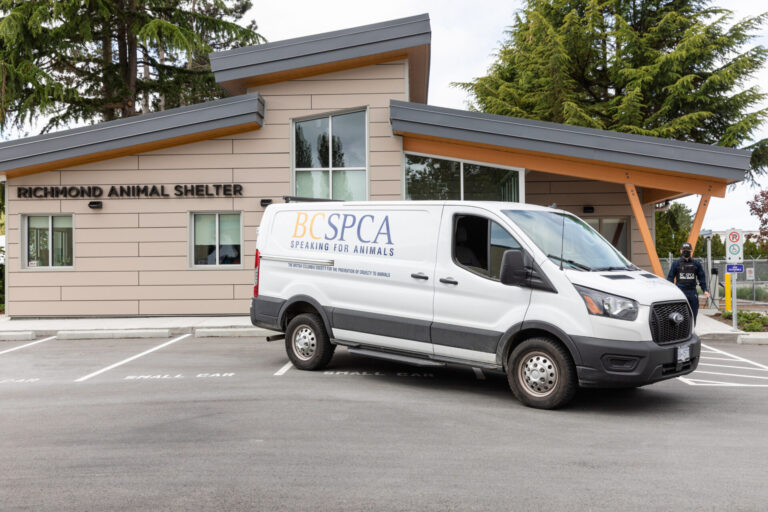
Contact the BC SPCA centre nearest to where your cat went missing—and don’t stop there. Cats may travel farther than expected, or someone may bring them to a different centre.
The first thing BC SPCA staff do when a stray cat comes in is scan for a microchip. This is why having your contact information up to date in the BC Pet Registry is so important—if your microchip details are accurate, staff can reach you immediately.
Take Mike’s story as an example: his lost cat was quickly reunited because the microchip information was current and easily accessible. Read Mike’s story here.
Providing accurate details to multiple centers increases the chances your cat will be recognized and returned safely.
Step 3: Contact Municipal Animal Control
Your cat might end up in a municipal shelter, so it’s a good idea to notify local animal control agencies. While some municipal services aren’t equipped to house cats long-term, they often pass strays along to rescues or shelters that are better prepared.
Providing detailed information—including microchip number, description, and contact details—ensures that even if your cat is transferred, the receiving organization can quickly identify them. It never hurts to let municipal animal control know, just in case your cat is brought there first.
Step 4: Spread the Word Online

Social media and online platforms are powerful tools for lost cat alerts. Post clear photos from multiple angles, highlight distinctive features, and describe your cat’s personality and any medical requirements. Join local lost-and-found pet groups to maximize visibility.
Online sharing allows neighbors, friends, and community members to recognize your cat quickly, which can be critical when time is of the essence.
For more help on this topic, please visit: Lost and found animal help topics - BC SPCA.
Step 5: Reach Out to Local Veterinarians
Veterinary clinics can sometimes assist in reuniting lost pets. While it’s not guaranteed, some clinics may be willing to share a courtesy post about your missing cat with their clients or on social media. It’s worth asking local clinics if they can help circulate your cat’s information—many have followers in the community who might spot your pet.
Myth vs. Reality
Myth: Cats always come home on their own.Reality: Many cats need help to return safely. Acting quickly and reporting to the right places increases your chances of success.
Key Information to Include
When reporting a lost cat, provide:
- Your name and current contact information
- Your pet’s microchip number, tattoo code, licence number, etc.
- Clear photos from multiple angles
- Distinctive markings or features
- Behavioral traits (friendly, shy, anxious)
- Any medial conditions or medications
Sharing complete information makes it easier for shelters, neighbors, and veterinarians to identify your pet.
Final Recap
If your cat is missing, act without delay:
Update microchip information in the BC Pet Registry
Notify BC SPCA centers and municipal shelters
Post alerts online and reach out to local veterinarians
The combination of fast action and accurate details can make all the difference in bringing your cat safely home.
Ensure your cat’s microchip information is current today at BC Pet Registry. If your cat isn’t registered yet, registering now is the most important step in safeguarding their return.

FAQs
Where should I report a lost cat in BC?
Start with BC SPCA centres, local animal control, and nearby veterinary clinics.
Why is updating microchip info so important?
It allows finders to contact you immediately, increasing recovery chances.
Should I notify multiple SPCA centers?
Yes. Cats may be brought to any nearby centre, so alerting several centers helps.
What details are most helpful when reporting a lost cat?
Include photos, distinctive features, personality traits, and medical info.
Can vets help spread the word?
Some clinics may circulate your cat’s info, but it’s not guaranteed. It’s worth asking, as it could reach more eyes in your community.