
Lost your dog in BC? Act quickly! Update your pet’s microchip info, report to BC SPCA and animal control, and share online. Here’s your step-by-step guide.
Where to Report Lost Dog in BC: Essential Steps for Pet Owners
Losing a dog is overwhelming, but quick action can make all the difference. The first step is ensuring your pet’s microchip registration is up to date. When someone finds a lost dog, they often check for identification. Collars and tags can break or fall off, but a microchip is permanent. Confirm your contact details with your respective pet registry immediately. This simple action greatly improves your chances of a reunion.
Update Your Microchip Information
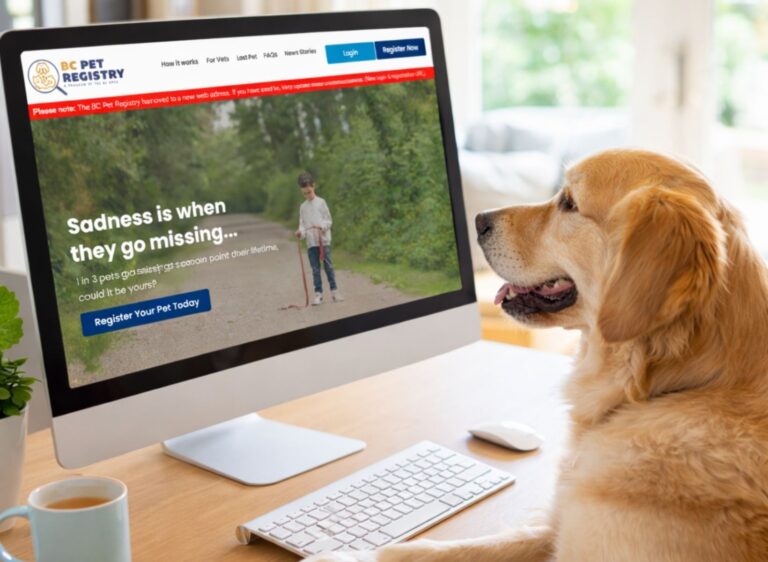
Before you start reporting, verify your dog’s microchip details. If your pet is registered with the BC Pet Registry, log in to your account and confirm your phone number, email, and address. In your BC Pet Registry account, there is also a function to mark your pet as lost.
If your contact information is outdated, rescuers may struggle to reach you. A current microchip record is the most reliable way to identify your pet.
Did you know? You can also add co-owner contact information, your pet's medical record in case they need medication and photos of your pet - all included with no extra upgrade needed.
Report to BC SPCA Locations
Next, notify the nearest BC SPCA centre where your dog went missing. Do not stop there—contact other SPCA centers in and near your surrounding city. Dogs can travel far or be transported by well-meaning finders. The more locations you alert, the better your chances of recovery.
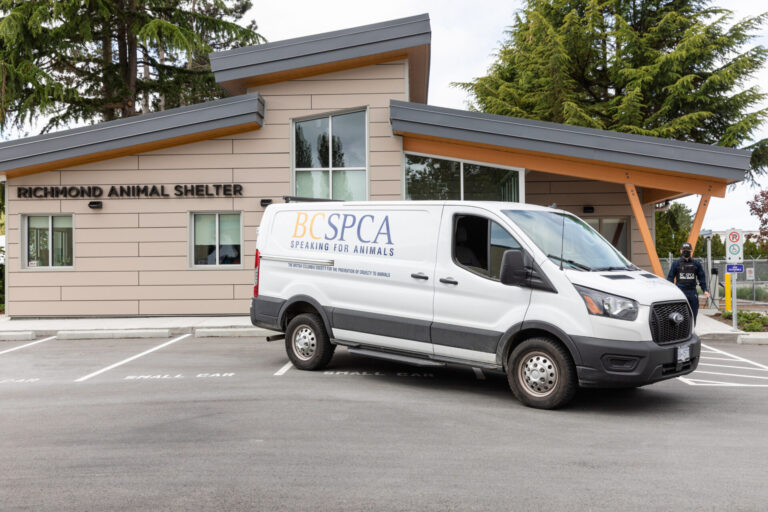
Do you follow your local BC SPCA Facebook page? Many centres share posts about stray or lost pets when they’re brought in by a good Samaritan. Staying connected could help you reunite with your pet sooner!
Contact Animal Control Agencies
Your dog might end up in a municipal shelter. Report the loss to local animal control agencies. Provide detailed information so they can identify your pet quickly. Include your contact details, a clear description, and any unique markings.
Spread the Word Online

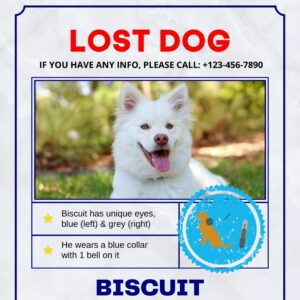
Social media is a powerful tool. Post on platforms like Facebook and Instagram and join local lost-and-found pet groups. Include multiple photos from different angles and highlight distinctive features. Mention your dog’s behavior and any medical needs. These details help others recognize your pet.
Here are additional resources to report your lost dog online.
- BC SPCA Pet Search (search found animals at the BC SPCA, create a free poster and a “lost pet” post)
- Missing Pets in BC (search found animals and create a “lost pet” post)
- Craigslist (search found animals and create a “lost pet” post)
- Petsearchers Canada (pet detective and tracking service)”
For more help on this topic, please visit: Lost and found animal help topics - BC SPCA.
Reach Out to Nearby Veterinarians
Veterinary clinics often assist in reuniting lost pets. Ask if they can share a courtesy post on their social media pages. Many clinics have active local followers who may spot your dog.
What to Include in Your Report
When reporting a lost dog, provide:
- Your name and contact information
- Your pet’s microchip number, tattoo code, licence number, etc.
- Clear photos from different angles
- Distinctive markings or features
- Behavioral traits (friendly, shy, anxious)
- Medical details (medications, conditions)
The more information you share, the easier it is for others to help.
Final Reminder
If your dog is missing, act immediately. Start by updating your microchip details with BC Pet Registry, then report to SPCA centres, animal control, and veterinarians. Use social media to spread the word. Quick action and accurate information are key to bringing your dog home safely.
Learn more about what really increases your chances of reunification by reading our guide on Lost Pet Recovery Myths vs Facts.

FAQs
Where should I report a lost dog in BC?
Start by contacting BC SPCA centres around your area, local animal control agencies, and nearby veterinary clinics. These organizations often reunite lost pets with their owners.
Why is updating my dog’s microchip information important?
A current microchip record ensures that anyone who scans your dog’s chip can contact you quickly. It’s the most reliable form of identification, and scanning is the first step veterinarians and shelter staff take when a stray or lost pet is brought in.
Should I notify all BC SPCA locations or just the nearest one?
Notify multiple SPCA centres in your region. Dogs can travel far or be transported by others, so wider coverage increases your chances.
What details should I include when reporting a lost dog?
Provide your contact information, clear photos from different angles, distinctive markings, behavioral traits, and any medical conditions.
Can veterinarians help spread the word about my missing dog?
Yes! Many veterinary clinics share lost pet alerts on their social media pages, which can help reach local pet owners quickly.
My dog has a collar with my phone numbers on it, they should be safe right?
No, often dogs are lost with their collar fallen off, tags are great for quick visual if they don’t fall off