
You’re scratching your cat behind the ears when you notice it.
A tiny set of numbers and letters inside the ear. Faded, but clearly intentional.
Many pet guardians in British Columbia discover these markings by accident. Some notice them years after adopting their pet. Others see them for the first time during a vet visit.
The immediate question is almost always the same.
What does my pet’s tattoo number mean?
In BC, pet tattoos are a long-standing form of permanent identification used by shelters, veterinarians, and breeders. While microchips are now more common, tattoos still play an important role in identifying lost pets and reconnecting them with their families.
Let’s break down how tattoo identification works and what those small numbers can tell you.
Table of Contents
Why Some Pets Have Tattoos
Before microchips became widely available, tattoos were one of the primary ways to permanently identify cats and dogs.
A veterinarian or shelter would place a small code inside the ear during spay or neuter surgery. The tattoo serves as a permanent identifier that can help trace specifically to the vet clinic who provided the tattoo service and via that clinic’s internal system, they can look up the owner.
In British Columbia, tattoos are still used by many veterinary clinics. Even if your pet also has a microchip, the tattoo can provide another layer of identification.
This is especially helpful if a pet loses their collar or tag.
What the Tattoo Code Usually Means
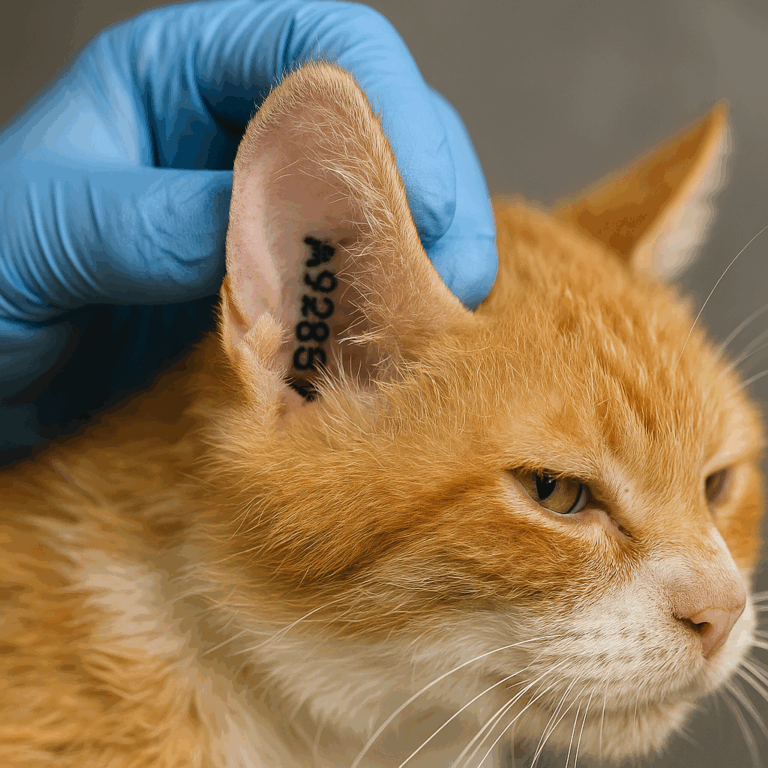
A pet tattoo is not random. The code usually follows a structure that provides clues about the animal’s origin.
While formats can vary, tattoo codes often include:
- A clinic or organization identifier
- A unique animal number
- A year indicator
For example, a tattoo might identify the veterinary clinic that performed the spay or neuter surgery along with the animal’s individual ID within their records.
Shelters and veterinary clinics can sometimes trace this information back to the original adoption or medical record through the veterinary clinics..
However, tattoo formats differ between provinces, which is why identifying the source often requires professional help.
On January 1, 2017 the BC Pet Registry assumed administration of the provincial tattoo program, previously administered by the College of Veterinarians of British Columbia (CVBC). Participating veterinarians can elect to register their clients’ existing tattoos, eliminating the need for paper records.
New year codes will be distributed yearly by the BC Pet Registry.
How Tattoos Help Reunite Lost Pets
When a lost pet is brought to a veterinary clinic or shelter, staff look for two forms of permanent identification:
- Microchips
- Tattoos
If a tattoo is visible, staff may be able to contact the original clinic or organization that placed it.
This process can lead to the guardian being identified and contacted.
Permanent identification can turn a lost pet situation into a reunion much faster than relying on posters or social media alone.
You can see real examples of how identification helps bring pets home by exploring the BC Pet Registry reunion stories: https://bcpetregistry.ca/stories/
What to Do If Your Pet Has a Tattoo

If you notice a tattoo in your pet’s ear, it’s worth taking a few minutes to understand what it means.
Start by:
Writing Down the Code
Tattoo characters can fade over time, so record the numbers and letters carefully.
A clear photo taken in good lighting can also help.
Asking Your Veterinarian
Veterinary clinics often recognize common tattoo formats used by local shelters and spay and neuter programs.
They may be able to identify the clinic or organization connected to the tattoo.
Checking Your Adoption Records
If you adopted your pet, the tattoo may correspond to paperwork from the shelter or rescue organization.
Even if the tattoo identifies a previous owner or clinic, it still provides valuable history about your pet.
However, if you discover the tattoo is not linked to your name, you can reach out to the veterinary clinic to update the record or register the code directly with the BC Pet Registry.
Tattoos vs Microchips: What’s the Difference?
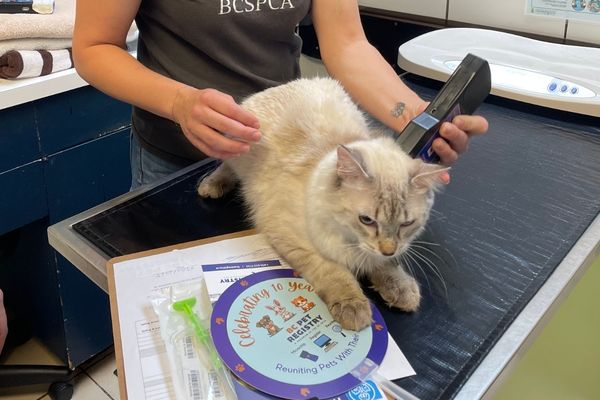
Both tattoos and microchips serve the same goal: permanent identification.
But they work differently.
Tattoos
- Visible in the ear
- Placed during surgery
- Can fade over time (If the tattoo is no longer legible, it is ineffective. Consider getting your pet microchipped for reliable identification)
- May require contacting the original clinic for records
Microchips
- Implanted under the skin
- Invisible without a scanner
- Store a unique identification number
- Link directly to guardian contact details through a registry
Many pets in BC have both forms of identification, providing two ways to trace their identity if they are found.
In summary,
Tattoo identification systems are typically managed at the individual veterinary clinic level and rely heavily on paper-based records. When a clinic changes ownership or close down, these records may not be transferred or maintained, which can result in incomplete or unusable identification information.
In contrast, microchips are generally registered through provincial or national databases and are searchable via the American Animal Hospital Association (AAHA) microchip lookup tool. When registration is completed accurately, microchips offer a significantly higher likelihood of rapid and reliable animal identification.
Why Registration Still Matters
Even if your pet has a tattoo, having a registered microchip provides an additional safety layer.
Microchips allow veterinary clinics and shelters to quickly connect a pet to their guardian using a registry database.
If your pet already has a microchip, take a moment to confirm the information is registered and current.
You can register or update your pet’s information here:
https://bcpetregistry.ca/register/
Keeping contact information accurate ensures that if your pet is ever found, the right phone number leads back to you.
What If You Find a Pet With a Tattoo?
If you find a pet that appears lost and notice a tattoo in their ear:
- Avoid assuming the pet is abandoned
- Bring them to a veterinary clinic or shelter
- Ask staff to check for both a tattoo and a microchip
Many veterinary clinics can help trace tattoo codes and begin the process of identifying the guardian.
That one step can make the difference between a lost pet staying lost and finding their way home.
Practical Takeaways
If your pet has a tattoo:
- Write down the tattoo number
- Ask your veterinarian about its origin
- Keep all records organized
- Make sure the tattoo code is linked to your information, update if necessary
- If your pet has a microchip, confirm your pet’s microchip is registered and up to date
If you find a tattooed pet:
- Bring them to a veterinary clinic or shelter
- Let professionals check the tattoo and scan for a microchip
Permanent identification gives lost pets a voice when they cannot speak for themselves.
Be a Part of the 80% Responsible Owners
During our recent events, we scanned hundreds of pets, all with microchips implanted. Only to discover that approximately 20% of the pets’ microchips are not linked to any registries in North America. We recommend all pet owners to double check their pet’s registration and directly registering with us. All you need is the microchip number and/or tattoo code to start the online registration process. For a small, one-time fee of $45, your pet will be protected for a lifetime and you will also have contributed to the life-saving work of the BC SPCA.
The Bottom Line
That small tattoo inside your pet’s ear might seem easy to overlook.
But it tells a story.
It might reveal where your pet was first cared for. It might link them to an adoption record. And in the right situation, it could help guide them back home.
Permanent identification, whether through tattoos, microchips, or both, plays a quiet but powerful role in protecting the animals we love.
If your pet already has a microchip, take a few minutes today to confirm the registration is complete and your contact details are current.
Because when a pet is found, that tiny piece of information can become the fastest path back to you.
FAQ
Q: What does a tattoo in my pet’s ear mean?
A tattoo in a pet’s ear usually indicates they were spayed or neutered by a veterinarian or shelter. The code can help identify the clinic or organization involved.
Q: Can a tattoo help identify a lost pet?
Yes. Veterinary clinics and shelters can sometimes trace tattoo numbers back to the clinic or rescue that placed them, which may lead to the pet’s guardian.
Q: Do pets with tattoos still need microchips?
Yes. Tattoos are useful, but microchips provide a more direct way to contact guardians through a registry database.
Q: Where can I register my pet’s microchip in BC?
You can register or update your pet’s microchip information at:
https://bcpetregistry.ca/register/
Q: What should I do if I find a pet with a tattoo in their ear?
Bring the pet to a veterinary clinic or shelter. Staff can check the tattoo and scan for a microchip to help identify the guardian.