
Your pet microchip registration should never be built around someone else’s email—not even your partner’s. If the registered owner’s name, email, and contact details don’t match, it can create confusion, delay account access, and complicate ownership transfers later. Learn how to set up your BC Pet Registry account properly, when to use a co-owner or emergency contact, and why this matters most when life changes or your pet goes missing.
Pet Microchip Registration: Don’t Let Your Partner’s Email Control Your Account
Sarah and Mike adopted a puppy together and wanted to do everything right. They booked the vet appointment, bought the supplies, and completed the pet microchip registration. Sarah entered her name as the registered owner, but she used Mike’s email because he “handled the online stuff.” At the time, it felt harmless.
Years later, they separated.
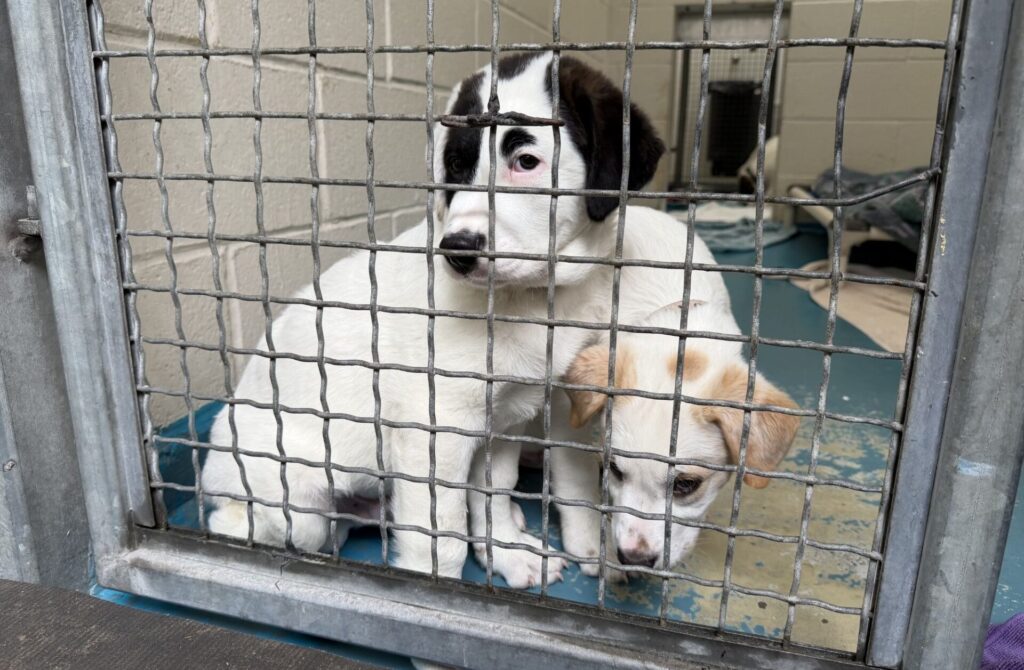
Now Sarah needs to update the account, but the password reset goes to Mike’s inbox. The contact information on file does not match the person trying to manage the registration. Then imagine their dog goes missing during that same period. Suddenly, a small shortcut taken years ago becomes a serious problem.
That is the risk many first-time pet owners never think about. A pet microchip registration is not just a one-time form. It is an account tied to your pet’s identity, your contact information, and your ability to access important records when you need them most. In British Columbia, setting it up properly from day one can save time, reduce confusion, and help avoid painful delays during a lost pet emergency or an ownership transfer.
Why using your partner’s email feels harmless — until it isn’t
When couples adopt a pet together, it is easy to assume the registration can be shared however you like. One person may handle paperwork while the other manages the household email account. Someone might say, “Just put my name on it and use your email.” It feels efficient at the moment.
However, pet microchip registration should not be treated like a shared Netflix login or a casual family password. It is an account that may need to be accessed over the course of your pet’s life. You may need to reset a password, change your phone number, update your address, report your pet missing, or transfer ownership. If the registered owner’s name does not match the email address and phone number on file, every one of those steps can become harder.
The worst time to discover that problem is when your pet has already gone missing.
The worst time to discover that problem is when your pet has already gone missing.
The simple rule: one owner, one account, one email
If you remember one thing from this article, make it this:
One owner. One account. One email.
The registered owner listed on the pet microchip registration should be one person. That same person’s email address and phone number should also appear on the account. If your partner, spouse, family member, or roommate should also be connected to the pet, add them as a co-owner or emergency contact instead of mixing names and contact details.
This keeps the account clear, accessible, and much easier to manage if life changes.
What happens when your ex still controls the account
Here is a common example of a pet microchip registration setup that creates problems later.
Don’t do this
Registered owner: Jane Smith
Email: john@email.com
Phone number: John’s phone number
This setup may seem harmless because Jane and John both care for the pet. However, the account no longer clearly reflects who owns it and who controls access. If Jane needs to log in, she may not be able to reset the password. If the couple separates, John may still receive the emails, notifications, and account recovery links.
Now imagine Jane is the person caring for the pet after the separation. The dog slips out of the yard and goes missing. Jane wants to log in and review the registration immediately, but she cannot access the account because the password reset goes to her ex.
That is exactly the kind of avoidable delay pet owners should prevent.
Do this instead
Registered owner: Jane Smith
Email: jane@email.com
Phone number: Jane’s phone number
Co-owner: John Smith
Emergency contact: John Smith
This setup is much cleaner. Jane remains the primary account holder, while John is still connected to the pet in a legitimate and visible role.
Why mismatched information creates problems
A pet microchip registration is not just a record in a database. It is an active account that may need updates over many years. If the owner’s name, email, and phone number do not align, it can create confusion in several situations.
For example:
- The registered owner cannot reset the password because the email belongs to someone else.
- Important notifications go to the wrong person.
- Account updates become difficult if the person managing the email is unavailable.
- Ownership questions become more complicated during a separation or dispute.
- Time can be lost during a lost pet emergency when fast access matters most.
Many pet owners only think about microchip registration when they first adopt a pet. However, your pet may live 10 to 20 years. During that time, people move, change phone numbers, switch email addresses, separate, remarry, or rehome a pet. A pet microchip registration should be built for the long term, not just for the excitement of adoption day.
When to add a co-owner or emergency contact instead
A pet microchip registration does not need to exclude the other important people in your pet’s life. It simply needs a clear primary owner.
Add a co-owner if:
- another person shares responsibility for the pet
- both people should be connected to the registration
- you want another trusted adult listed in a recognized ownership role
Add an emergency contact if:
- someone should be reachable if you cannot be contacted
- a partner, parent, sibling, or close friend may help in an emergency
- you travel often or may be difficult to reach during work hours
This approach gives your pet more than one support person without creating confusion about who controls the account.
Have the ownership conversation before you adopt
If you are adopting a pet with a partner or family member, decide who the registered owner will be before you complete the pet microchip registration. It may feel awkward to talk about ownership during a happy milestone, but it can prevent serious headaches later.

If you are adopting a pet with a partner or family member, decide who the registered owner will be before you complete the pet microchip registration. It may feel awkward to talk about ownership during a happy milestone, but it can prevent serious headaches later.
Ask yourselves:
- Who is the primary caregiver?
- Who will manage the account long term?
- Whose email and phone number should be tied to the registration?
- Should another person be added as a co-owner?
- Who should be the emergency contact if the owner cannot be reached?
These questions matter even in healthy relationships. People do not adopt pets expecting to separate, but relationships can change. A pet registration account should still make sense years later, even if the household looks very different.
Pet microchip registration matters long after adoption day
Some people think microchip registration is a one-time task. In reality, it is an account you may need to revisit many times over your pet’s life.
For example, you may need to:
- update your phone number
- change your address
- add a new emergency contact
- report your pet missing
- review who has access to the account
- transfer the pet to a new owner
That is one reason accurate pet microchip registration matters beyond simply registering the microchip number. Some registries still rely on paper records or systems that do not give pet owners full access to their account. Others charge for this service and ask you to upgrade to a premium membership. The BC Pet Registry does not ask for any fees beyond the initial registration. If your registry offers online access, the information must be set up correctly from the beginning. Otherwise, you may discover too late that the wrong person controls the login, the notifications, or the account updates.
BC Pet Registry does not determine legal ownership
BC Pet Registry does not determine legal ownership of pets. The registry records the information provided by the registered owner. In certain situations, authorities such as police may request registration information as part of their investigation.
That is another reason pet owners should register carefully and truthfully. A pet microchip registration is not the place to “split the difference” by putting one person’s name and another person’s email on the account. If the information is inconsistent, it can create confusion during an already stressful situation.
The best approach is simple: keep the registered owner, email, and contact details aligned with the person who actually controls the account. Then, if needed, add the other person as a co-owner or emergency contact.
What happens if you need to transfer ownership after a separation?
Separation is one of the clearest examples of why accurate pet microchip registration matters.
In some situations, a standard transfer request may be enough. In others, it may not.
Depending on the circumstances, legal documentation such as a court order or separation agreement may be required before ownership can be transferred. That is why it is much easier to set up the pet microchip registration correctly from the start than to untangle it later.
If ownership truly needs to change, BC Pet Registry provides a Transfer Ownership Form to begin the process.

Why privacy matters in pet microchip registration
Your pet’s registration includes personal information, and that information deserves careful handling.
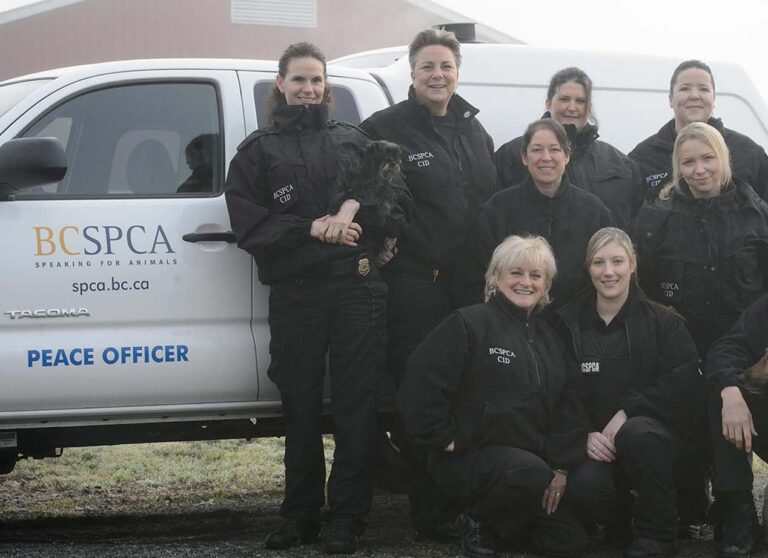
BC Pet Registry is a program of the BC SPCA. As part of this non-profit organization, BC Pet Registry understands that pet records may become relevant in sensitive situations. Those situations can include lost pets, animal protection concerns, family disputes, and cases involving interpersonal violence or abuse.
Because of that, privacy matters. Personal information should not be treated casually, and pet owners should think carefully about whose name, email, and phone number appear on the account. A pet microchip registration is not just a reunion tool. It is also a record connected to real people, real households, and sometimes difficult circumstances.
That is one more reason to keep the account clean, accurate, and under the control of the correct registered owner.
At BC Pet Registry, your privacy is a priority. Unlike some pet registries, we do not make pet owners’ personal information publicly available online. Your contact information is shared only with authorized industry professionals involved in the recovery of a lost pet and solely for the purpose of facilitating a safe and timely reunion.
A quick checklist for your pet microchip registration
If you are setting up a pet microchip registration for the first time, use this checklist before you click submit:
Make sure:
- the registered owner’s full name is correct
- the email address belongs to that registered owner
- the phone number belongs to that registered owner
- your partner or family member is added as a co-owner or emergency contact, if appropriate
- your address and contact details are current
- you understand how to log in and update the account later
If you already registered your pet, it is worth taking two minutes to log in and review everything now.
Don’t wait until your pet goes missing
A pet microchip registration is easy to ignore once it is done. However, your account details can become outdated or problematic long before anyone notices. Then, when you need urgent access, you may be stuck sorting out an avoidable issue.
If your dog goes missing, BC Pet Registry’s lost dog resources can help you take the right next steps in British Columbia. If your cat goes missing, review the lost cat resources as well.
Still, the best time to fix a registration problem is before you ever need those pages.
Final takeaway: review your account before life gets complicated
Pet ownership changes over time. Relationships change. Addresses change. Phone numbers change. Sometimes ownership changes too. Through all of that, your pet microchip registration should still be clear, accessible, and accurate.
So before you move on with your day, ask yourself three questions:
- Is the registered owner’s name correct?
- Does the email belong to that same person?
- Have I added my partner or trusted contact as a co-owner or emergency contact instead of mixing account details?
If the answer to any of those questions is no, now is the time to fix it.
A pet microchip registration can help bring a lost pet home. However, it can only do that well if the account is set up to reach the right person, at the right time, without delay.
Ready to review your details? Visit BC Pet Registry’s registration portal and make sure your account still reflects your life today.
Resources
FAQs
1. Can I use my partner’s email for my pet microchip registration?
It is not recommended. The registered owner’s name, email, and phone number should match the same person. If your partner should also be connected to the pet, add them as a co-owner or emergency contact instead.
2. What is the difference between a co-owner and an emergency contact?
A co-owner is another person connected to the pet’s registration in a recognized ownership role. An emergency contact is someone BC Pet Registry can try to reach if the registered owner cannot be contacted.
3. Why does the registered owner need full access to the account?
The registered owner may need to reset the password, update contact details, report a pet missing, or respond to account questions. If the account email belongs to someone else, access can be delayed.
4. What happens if my partner and I separate and the pet stays with me?
If the account is tied to the wrong person’s email or ownership needs to change, you may need to request a transfer. Depending on the circumstances, legal documentation such as a court order or separation agreement may be required before ownership can be transferred.
5. Does BC Pet Registry decide who legally owns a pet?
No. BC Pet Registry does not determine legal ownership of pets. The registry records the information provided by the registered owner, although authorities such as police and law enforcement officers may request registration information during an investigation.