
Leaving your pet with someone you trust can make travelling a little easier.
Maybe your sister is staying at your house for the weekend. A neighbour has offered to walk your dog. Or your parents are happy to welcome your cat while you are away.
They know your pet. You trust them. What else could they possibly need?
More than you might think.
Caring for someone else’s pet involves more than knowing when dinner is served and where the leash is kept. If a door is accidentally left open, your dog slips out of a harness, or your cat disappears into an unfamiliar hiding place, your temporary caregiver suddenly needs information they may never have thought to ask for.
Before leaving your pet with family while traveling, spend a few minutes preparing the person who will care for them. A simple conversation and a few important details can help keep everyone safer while you are away.
Table of Contents
Start With the Things That Are Normal for Your Pet
Nobody knows your pet quite like you do.
Your friend may know that your dog loves belly rubs, but do they know she tries to squeeze through the gate when the garbage truck arrives?
Your parents may adore your cat, but do they know he hides behind the washing machine when strangers come inside?
Before you leave, talk about the behaviours that matter.
Tell your caregiver about:
- escape habits
- fears and triggers
- feeding routines
- walking routines
- favourite hiding places
- how your pet behaves around unfamiliar people or animals
- doors, gates, windows, or fences that require extra attention
These details can seem ordinary when you live with your pet every day. To someone temporarily stepping into your role, they may be completely new.
Show Them How Your Pet's Equipment Actually Works
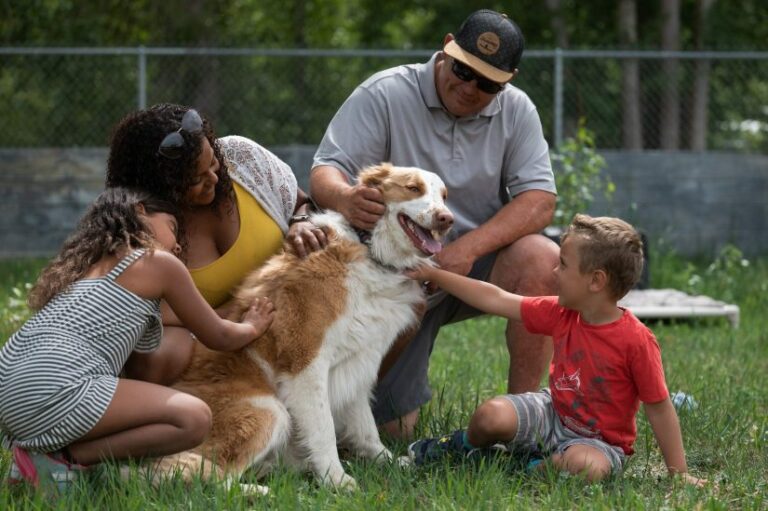
Do not just point to the leash hanging by the door.
Show them.
Have your temporary pet caregiver practise putting on your dog’s harness. Explain which gate needs to be latched twice. Show them how the carrier closes or which window your cat has tried to push through before.
Check that collars and harnesses fit properly before you leave.
If your pet wears a visible ID tag, make sure the phone number is still readable and current.
This is especially important when someone who does not normally care for your pet is taking over. What feels automatic to you may not be obvious to them.
Leave More Than Your Veterinarian's Phone Number
Most people remember to leave their veterinarian’s contact information.
Go one step further.
Your pet care instructions while away should include:
- your veterinarian’s name and phone number
- an emergency veterinary clinic
- your travel contact information
- a local backup contact
- feeding and medication instructions
- your pet’s microchip or tattoo number
- the registry where the identification is registered
- a recent, clear photo of your pet
BC Pet Registry recommends that pet sitters have key identification information available before taking responsibility for a pet, including the microchip number, registry information and an appropriate emergency contact.
Having everything together means your caregiver does not have to search through drawers, paperwork, or old messages if something unexpected happens.
Make Sure Your Microchip Registration Is Ready Too
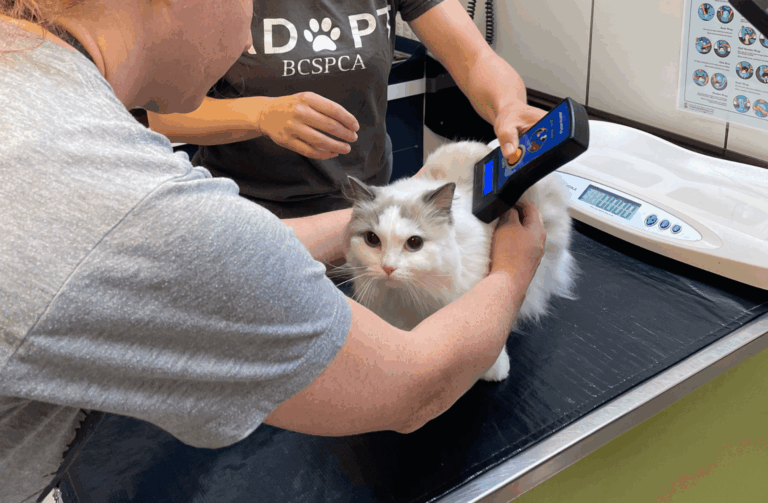
Your pet may already be microchipped, but before travelling, confirm that the registration information is current.
Check your:
- phone number
- email address
- home address
- emergency contact
If you are travelling somewhere you may be difficult to reach, think carefully about who should be your local backup contact.
BC Pet Registry recommends designating someone local as an emergency contact when another person is caring for your pet. Depending on your circumstances, you can also consider adding the caregiver as an emergency contact while you are away.
This is an easy detail to overlook.
Your pet’s microchip does not track their location. Instead, it carries a unique identification number. When a found pet is scanned, that number can help shelters, veterinary clinics or other authorized organizations identify the appropriate registry and contact information.
That connection works best when the information waiting at the other end is accurate.
Create a "What If They Get Lost?" Plan
This is the conversation nobody wants to have.
Have it anyway.
Your caregiver should know exactly what to do if your pet gets loose.
Start with one important instruction: contact you immediately.
Then make sure they know where to find your pet’s identification information and recent photos.
If your pet goes missing, BC Pet Registry advises contacting the owner immediately, reporting the pet lost through the appropriate registry when applicable, searching the area, notifying local shelters and animal control, and using community networks to spread the word.
The middle of an emergency is not the time to figure out who has the microchip number or which registry to contact.
A plan written before you leave gives everyone somewhere to start.
Be a Part of the 80% Responsible Owners
During our recent events, we scanned hundreds of pets, all with microchips implanted. Only to discover that approximately 20% of the pets’ microchips are not linked to any registries in North America. We recommend all pet owners to double check their pet’s registration and directly registering with us. All you need is the microchip number and/or tattoo code to start the online registration process. For a small, one-time fee of $45, your pet will be protected for a lifetime and you will also have contributed to the life-saving work of the BC SPCA.
Keep Your Pet's World as Familiar as Possible
For many pets, staying in their own home can help preserve familiar routines while their guardian is away.
If your friend or relative can care for your pet there, leave clear instructions about meals, walks, sleeping arrangements, and household routines.
If your pet will stay at someone else’s home, look at the environment from your pet’s perspective before you leave.
Are there unfamiliar doors or gates?
Is the yard secure?
Are there other animals?
Could your cat reach an open balcony or window?
Where will your pet sleep?
A new environment combined with the absence of their guardian can create situations neither the pet nor caregiver expects.
Preparation does not mean assuming something will go wrong. It means making it easier for things to go right.
Professional Pet Sitters Need This Information Too
Even if you decide to hire a professional rather than asking a friend or relative, many of the same preparations still apply.
Microchip information, emergency contacts, routines, identification and a lost pet plan should all be discussed before you leave.
BC Pet Registry has a dedicated guide explaining what professional pet sitters should know about microchip numbers, registration and lost pet preparedness.
Why Pet Sitters Should Know a Pet’s Microchip Number
That guide can also be useful when deciding what information to prepare for anyone caring for your pet.
Before You Walk Out the Door
Travel days can be hectic. Bags are being packed, rides are arriving, and pets often know something unusual is happening.
Give yourself ten minutes before the rush begins.
Confirm that your caregiver knows your pet’s routine and escape risks. Leave veterinary and emergency information somewhere easy to find. Check the collar, tag, harness and microchip registration. Make sure there is a local person who can help if you cannot be reached.
Then give your pet an extra cuddle before you go.
You cannot prepare for every possible situation.
But you can make sure the person caring for your pet is not left guessing when your pet needs them most.
The Bottom Line
Trusting someone with your pet is a big responsibility, whether that person is a professional pet sitter, neighbour, close friend or member of your family.
The best handoff is not simply, “Their food is in the cupboard.”
It is sharing the little things you know because you live with your pet every day.
How they might escape.
What scares them.
Where they hide.
Who to call.
How they can be identified.
Before your next trip, take a few minutes to put those details together and confirm your pet’s microchip registration is current.
Then the person caring for them can focus on what you both want most: keeping your pet safe, comfortable and loved until you come home.
FAQ
Q: What information should I leave with someone caring for my pet?
Leave your contact information, veterinary details, a local emergency contact, feeding and medication instructions, information about your pet’s behaviour and escape risks, a recent photo, and their microchip or tattoo information.
Q: Should a family member know my pet’s microchip number?
Yes. If they are responsible for your pet while you are away, having access to the microchip number and knowing which registry holds the registration can help them act quickly if your pet goes missing. BC Pet Registry specifically recommends that pet sitters ask owners for the pet’s microchip number and know the relevant registry.
Q: Should I update my microchip information before travelling?
Yes. Before leaving, check that your contact details are current and that an appropriate local backup contact is available if you cannot be reached.
Q: What should my caregiver do if my pet escapes?
They should contact you immediately and follow the lost pet plan you prepared. This can include searching nearby, contacting the appropriate registry, notifying local shelters and animal control, and sharing information through community networks.
Q: Is a collar and ID tag enough while someone else is caring for my pet?
Visible identification is useful because someone who finds your pet may be able to contact you quickly. Permanent identification such as a registered microchip provides another layer of identification if the collar or tag is lost.
Q: What if I use a professional pet sitter instead?
Provide them with the same essential information. BC Pet Registry recommends that pet sitters confirm registration information, know the microchip number and registry, and have appropriate emergency contact details before the owner leaves.
BC Pet Registry is owned and operated by the BC SPCA. The registry helps connect registered pets with their guardians, and proceeds support the work of BC SPCA locations across the province.