
Three friendly, clean, clearly cared-for cats arrived at the BC SPCA Richmond Community Animal Centre without microchips. Named after the Richmond roads where they were found, Blundell Rd., Anahim Dr., and Gamba Dr. each faced an uncertain future without a way to quickly connect them with their families. Their story is a reminder that even well-cared-for pets can become lost. Meanwhile, this summer, we found that about 1 in 5 microchipped pets at two major BC events lacked registered guardian information. Find out why microchipping and registration matter—and what you can do today to give your pet a better chance of getting home.
3 Richmond Cats Arrived Without a Way Home
Three stray cats arrived at the BC SPCA Richmond Community Animal Centre in August. None had a microchip.
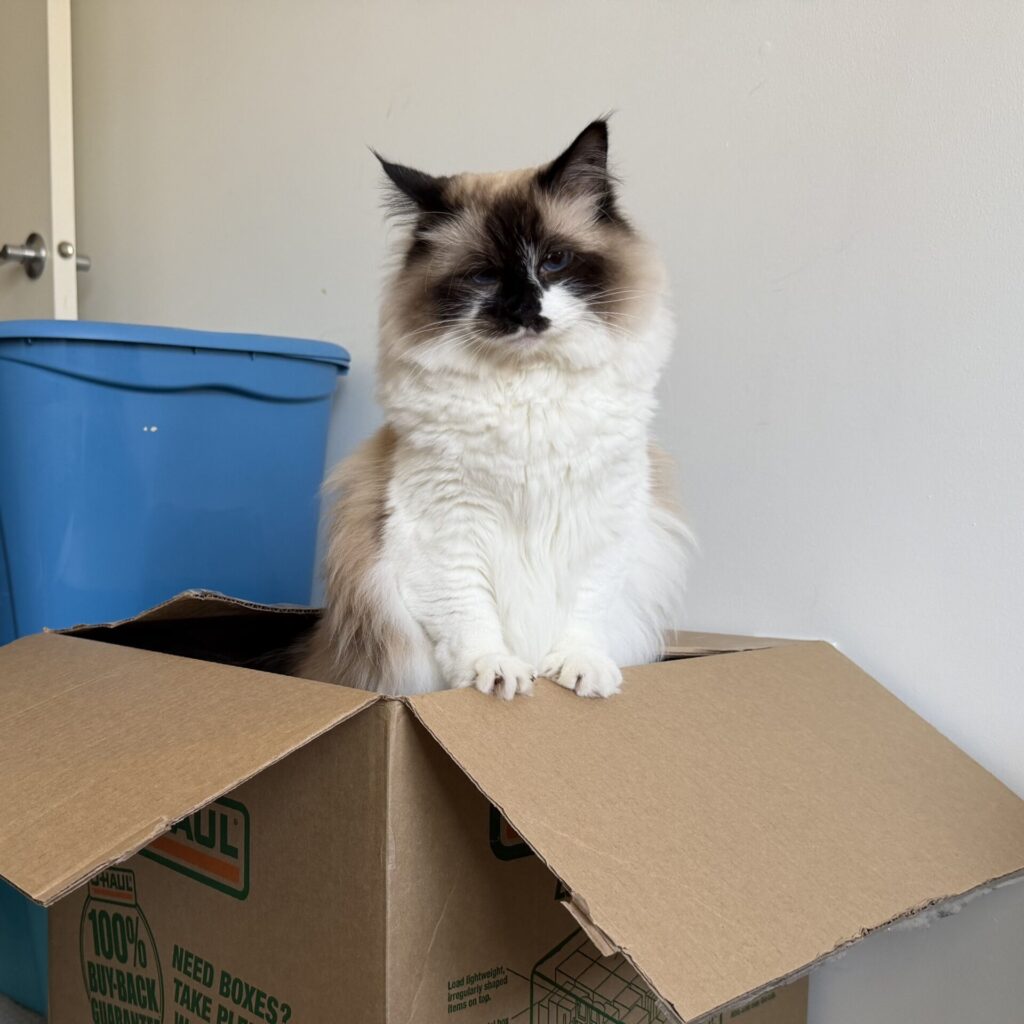
Staff temporarily named them after the Richmond roads where people found them: Blundell Rd., Anahim Dr., and Gamba Dr.
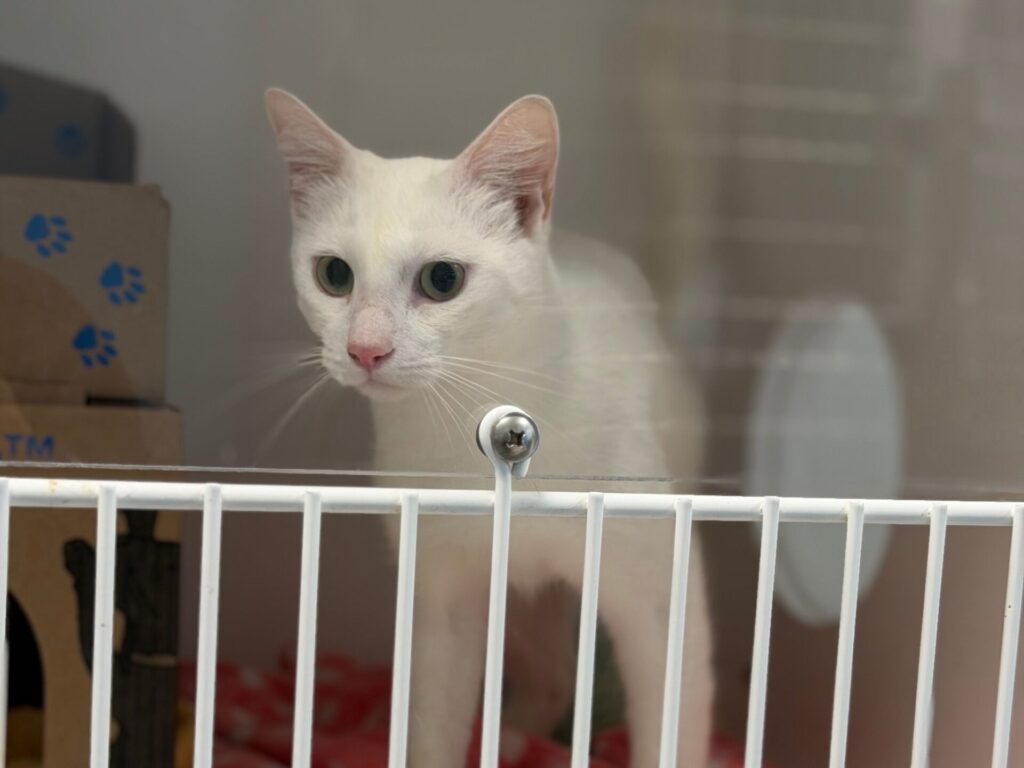
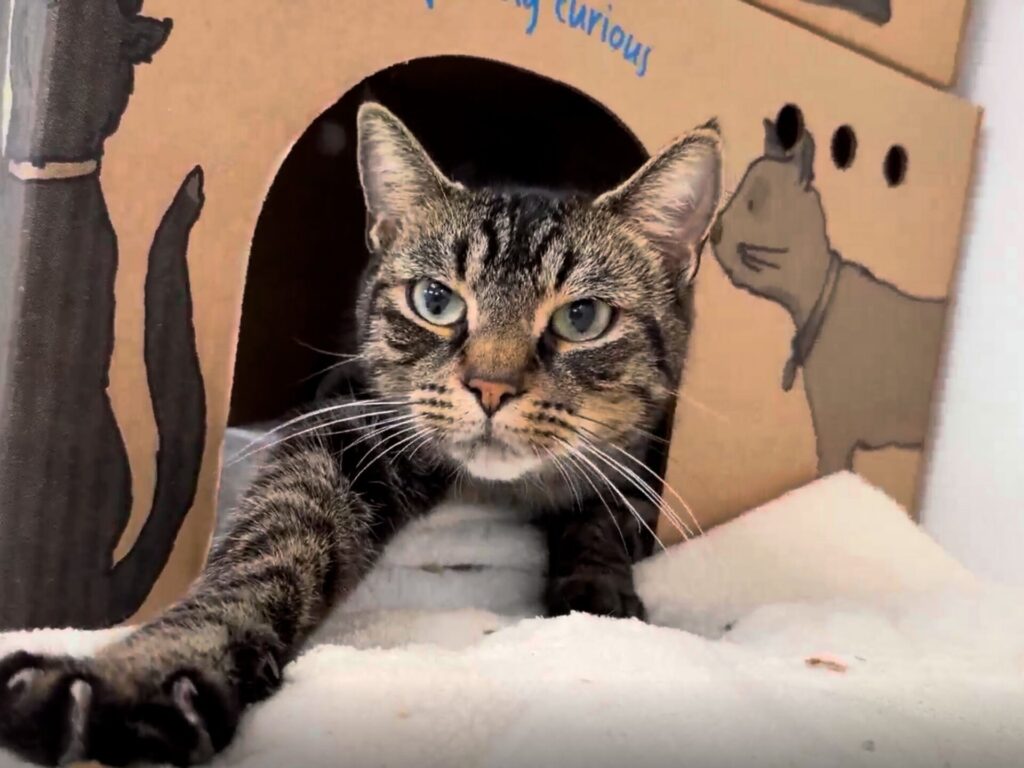
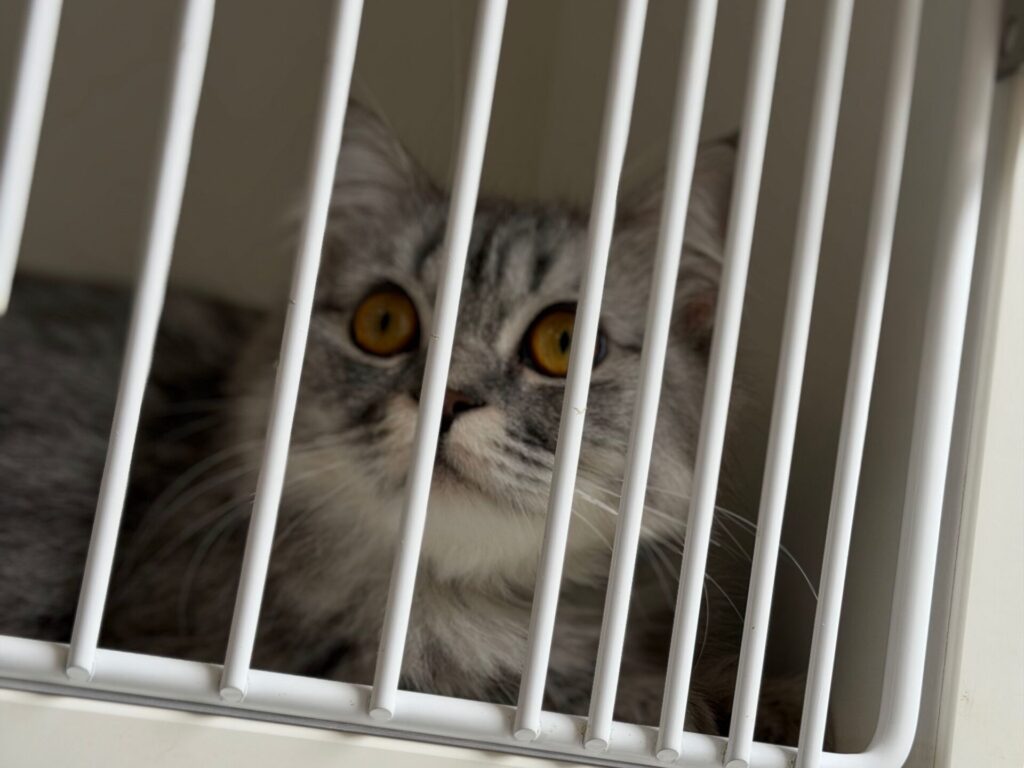
What made their situation especially heartbreaking? These cats clearly looked loved and cared for.
They were friendly, clean, and comfortable around people. They did not look like cats who had been forgotten.
Yet without identification, staff had no quick way to connect them with their families.
Their stray hold periods ended without anyone claiming them. Now, they will receive microchips and prepare for adoption.
Their story raises an important question for every pet guardian in BC:
Would someone be able to reach you if your pet disappeared tomorrow?
Three Richmond Cats, No Way to Identify Their Families
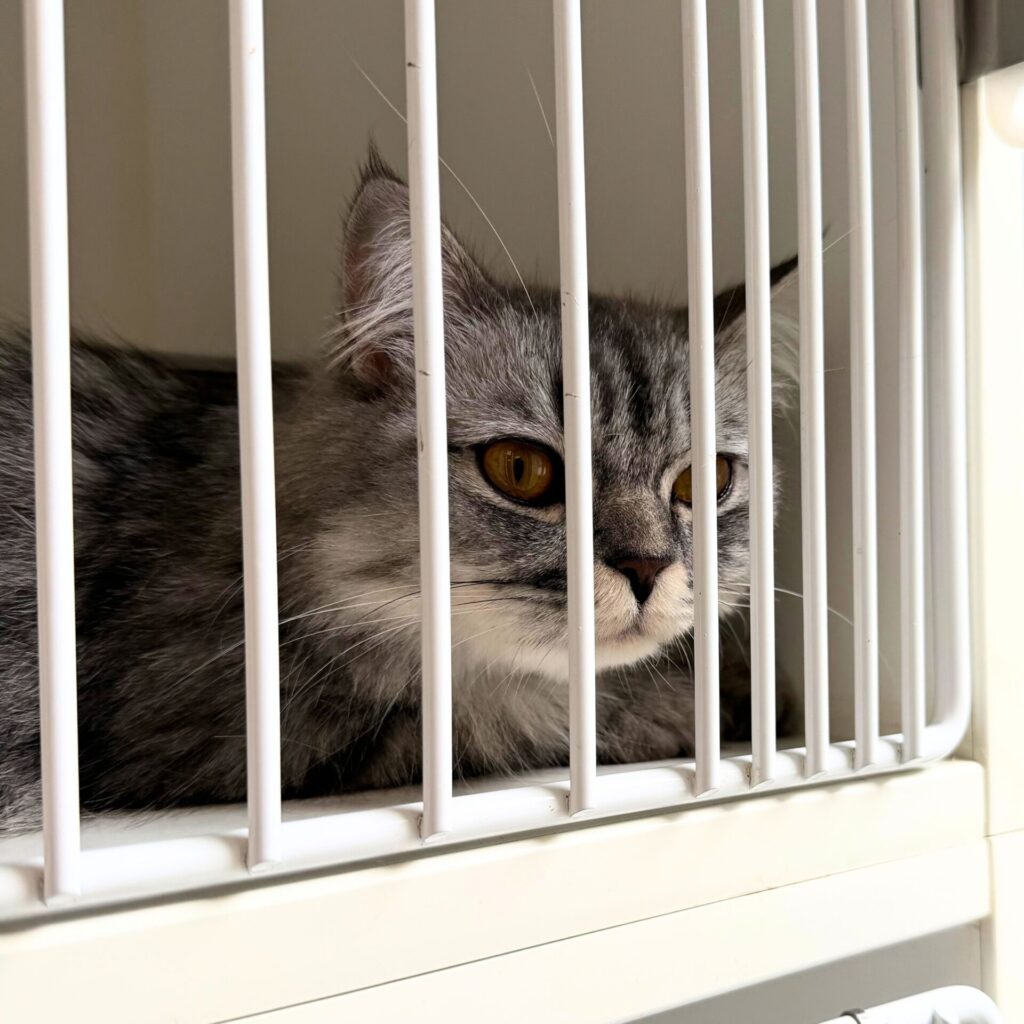
When a lost pet enters a shelter, every minute matters.
A cat or dog may feel frightened, confused, and completely out of place. Meanwhile, their family may desperately search nearby.
These three cats were friendly, clean, and clearly accustomed to being cared for.
Perhaps someone was already looking for them. Perhaps their family had no idea where they were.
A microchip can help bridge that gap.
However, microchip registration in BC matters just as much as the chip itself.
The chip provides a unique identification number. Registration connects that number to your contact information.
Without current registration, a microchip may not lead a shelter or animal care professional back to you.
That means a pet can have a microchip and still face delays getting home.
The 1-in-5 Registration Gap We Found This Summer
This problem is not limited to three stray cats in Richmond.
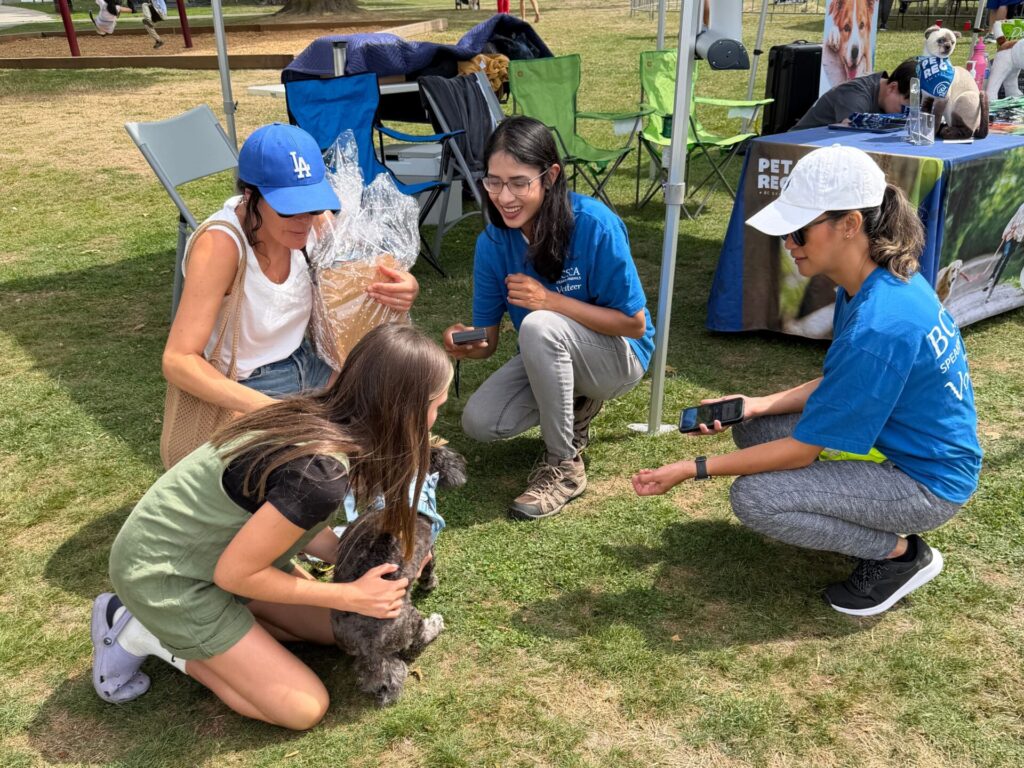
At two major pet events in BC this summer, we saw the same registration gap.
We scanned 461 microchipped pets at the Delta Community Animal Expo and Pet-a-Palooza.
Of those pets, 94 did not have registered guardian contact information connected to their microchip.
That means about 1 in 5 microchipped pets had no registered guardian information.
Even more concerning, this is not a one-year problem.
We have seen this consistent registration gap every year since we began collecting statistics at Pet-a-Palooza in 2023.
The microchip may be there. The connection to the family may not be.
Why Microchip Registration in BC Matters
A microchip gives your pet permanent identification.
However, the microchip alone does not tell someone who your pet belongs to.
Registration connects the microchip number with your contact information.
Your phone number, email, and address can change over time. Therefore, keeping those details current matters too.
After moving or changing your contact information, check your pet’s registration.
Also, make sure you know your pet’s microchip number and which registry holds their information.
Emergencies make this preparation even more important.
Wildfires, evacuations, storms, and other extreme weather events can separate pets from their families in an instant.
When normal routines disappear, you may have very little time to react.
That is why microchip registration should not wait until your pet goes missing.
You can prepare while your pet is safely at home.
The Three Richmond Cats Are Getting a Second Chance
Blundell Rd., Anahim Dr., and Gamba Dr. started as temporary names.
Their stories could have ended very differently if their families had found them quickly.
They were friendly, clean, and clearly accustomed to being cared for.
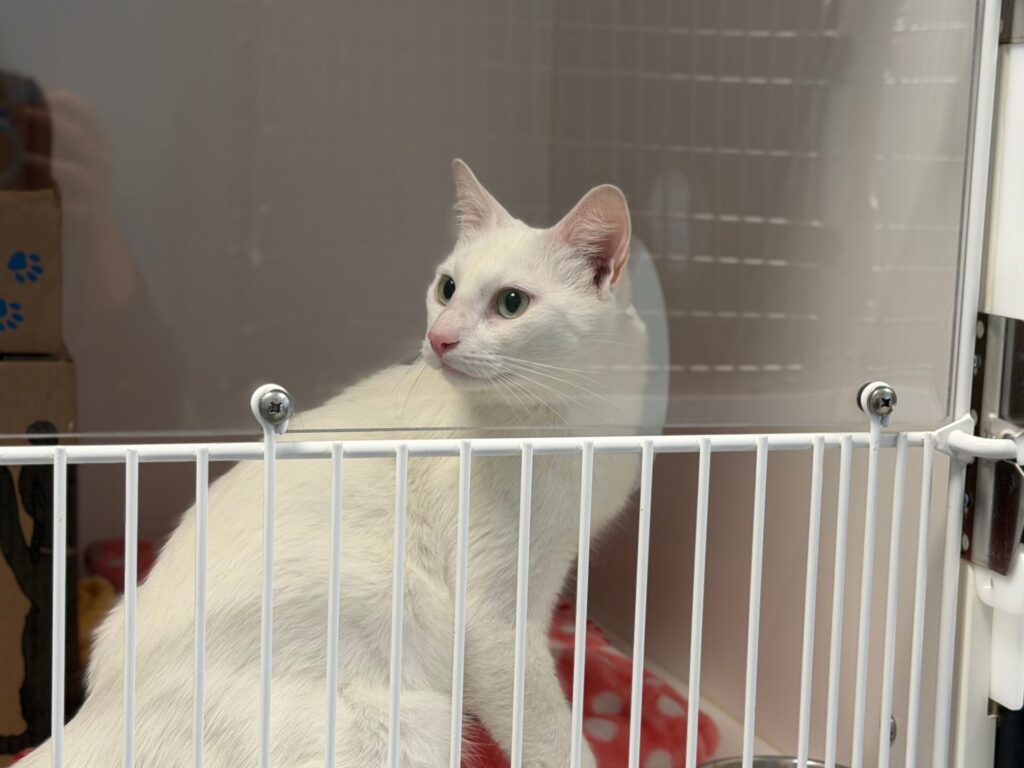
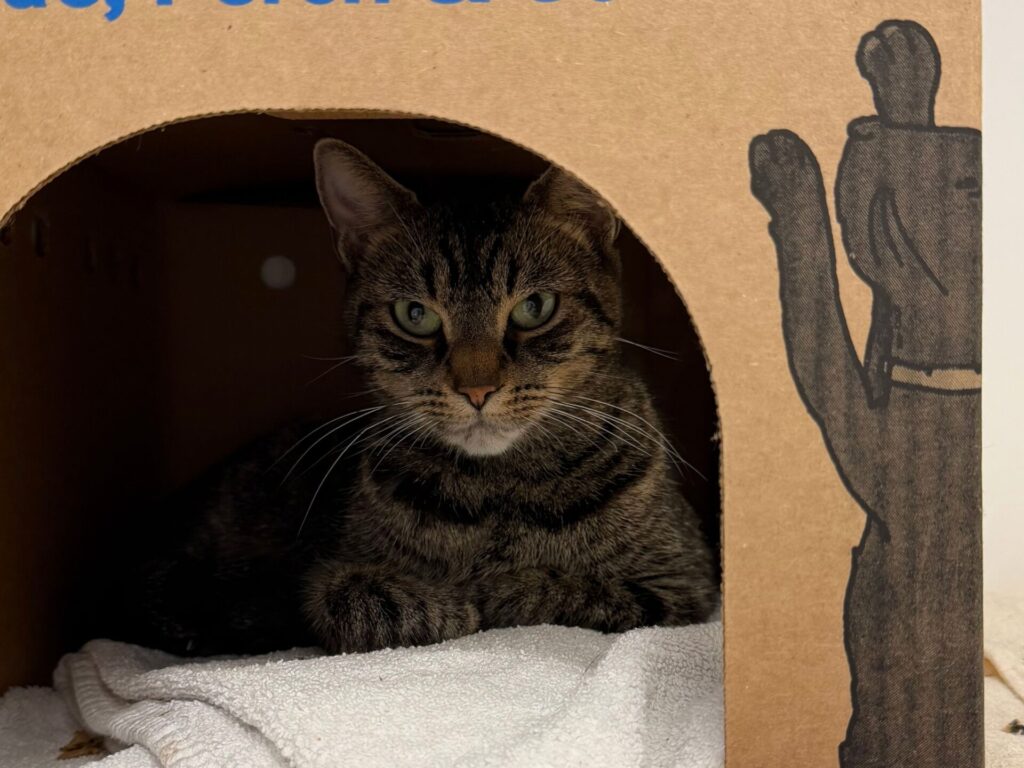
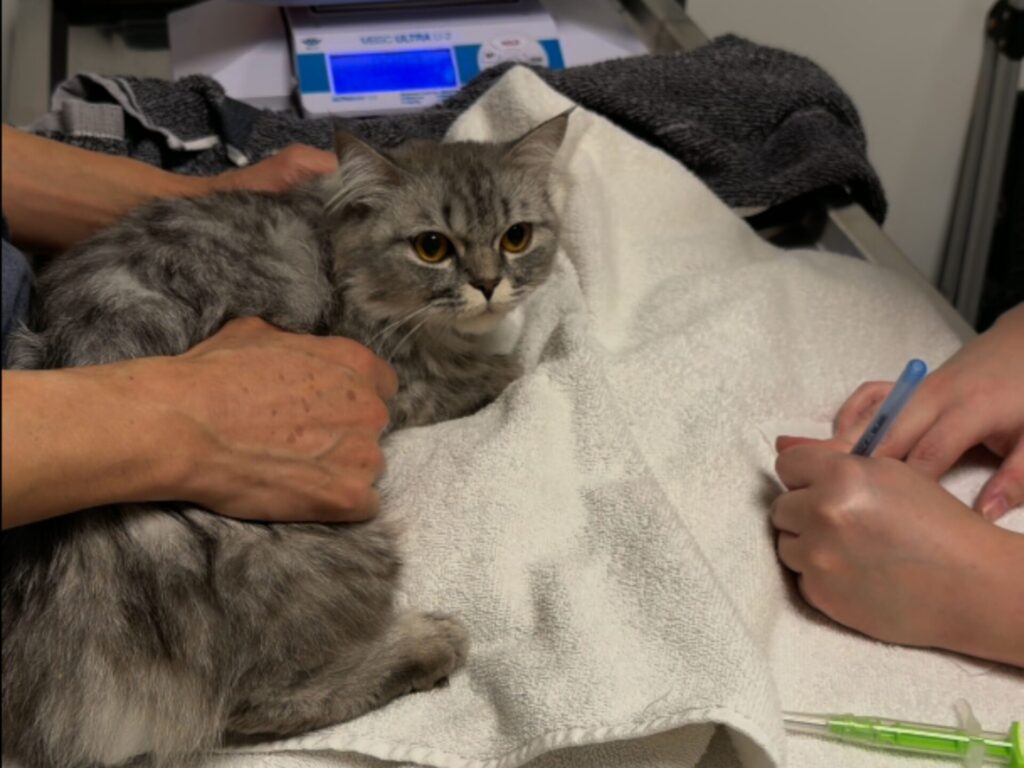
Yet without a microchip, staff had no immediate way to identify their families.
Now, these three cats will receive microchips before adoption.
Every dog and cat adopted through the BC SPCA receives a microchip. This gives them a better chance of reunion if they become lost.
But you do not need to wait for a shelter to microchip your pet.
Microchip and register your pet before you need it.
Because the best place for a lost pet is not a shelter.
It is home.
Check Your Pet's Microchip Registration Today
If your pet already has a microchip, take a moment to check the registration.
Make sure the microchip connects to your current contact information.
If your pet does not have a microchip, talk to your veterinarian about getting one.
Then, complete the registration process.
Ultimately, microchip registration is about more than a number in a database.
It is about giving your pet a clearer path home.
And it is one small thing you can do today that could mean everything tomorrow.
Have questions about microchips or registration? Email the BC Pet Registry team at info@bcpetregistry.ca. Our team is ready to help.
FAQs
1. Why should I microchip and register my pet?
A microchip provides permanent identification for your pet. Registration connects that identification number with your contact information. Together, they can help animal care professionals identify your pet and contact you if they become lost.
2. Is a microchip enough if my pet gets lost?
No. A microchip provides an identification number, but registration connects that number to you. Keep your contact information current so someone can reach you.
3. What happens if my pet’s microchip information is outdated?
Outdated information can delay a reunion. Check your registration after moving or changing your phone number or email address.
4. What if I do not know my pet’s microchip number?
Ask your veterinarian or animal care professional to scan your pet. Once you have the number, confirm which registry holds the record. Then, make sure your contact information is current.
5. What should I do if my pet does not have a microchip?
Speak with your veterinarian about microchipping your pet. Then, make sure you complete the registration process. A few minutes of preparation now could help bring your pet home faster later.