
461 microchipped pets scanned. 94 unregistered microchips found. At two major BC pet events in 2026, about 1 in 5 microchipped pets had no registered guardian contact information. Find out why microchipping alone is not enough and why checking your pet’s registration could help prevent a heartbreaking separation.
461 Pets Scanned, 94 Unregistered Microchips Found: What BC Pet Guardians Need to Know
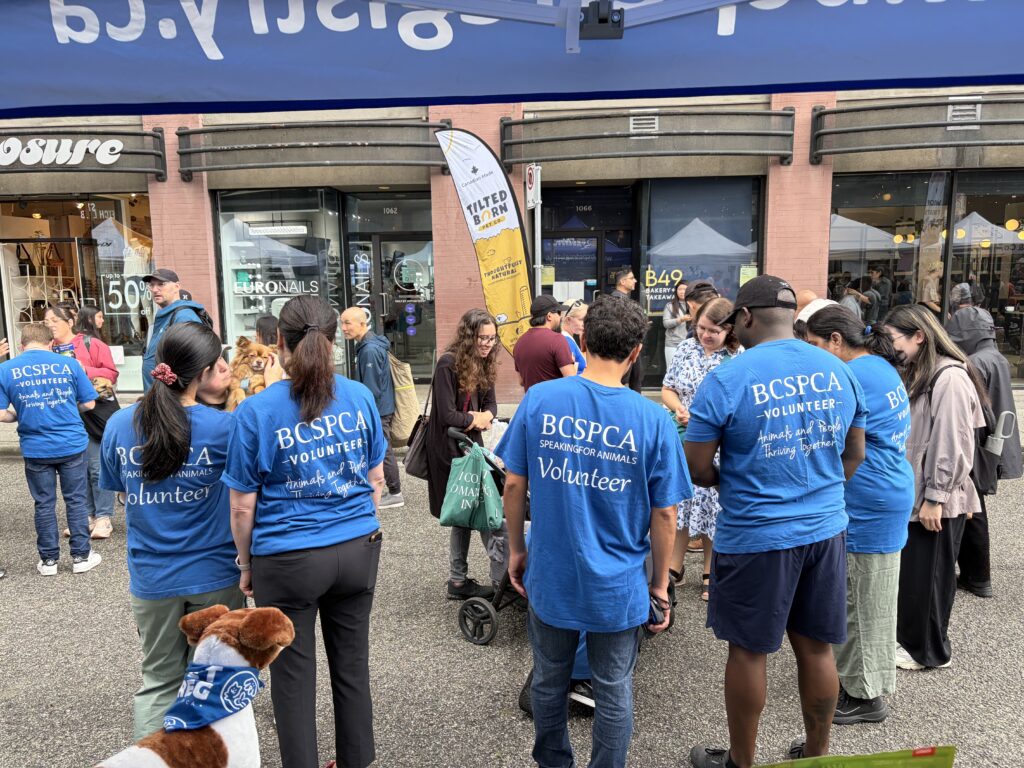
At two major BC pet events this year, our volunteers uncovered a gap we want every pet guardian to know about.
At the Delta Community Animal Expo on August 9 and Pet-a-Palooza on August 23, we scanned 461 microchipped pets.
Of those, 94 had unregistered microchips.
That means 20.4% — about 1 in 5 pets — did not have registered guardian contact information connected to their microchip.
This matters because a microchip alone does not tell a shelter or veterinary clinic who to call.
The chip provides the ID number. Registration connects that number to you.
And this is not just a 2026 issue. We have seen this consistent registration gap every year since we started collecting statistics at Pet-a-Palooza in 2023.
The registration gap is real. Fortunately, checking your pet’s microchip registration is a simple step you can take today.
“My Pet Never Leaves My Side.”
Throughout both events, one message came up repeatedly during conversations with pet guardians:
“My pet would never get lost.”
Many of the guardians whose pets had unregistered microchips were surprised to learn that a microchip alone is not enough. Some felt registration was unnecessary because their pets were always close by.
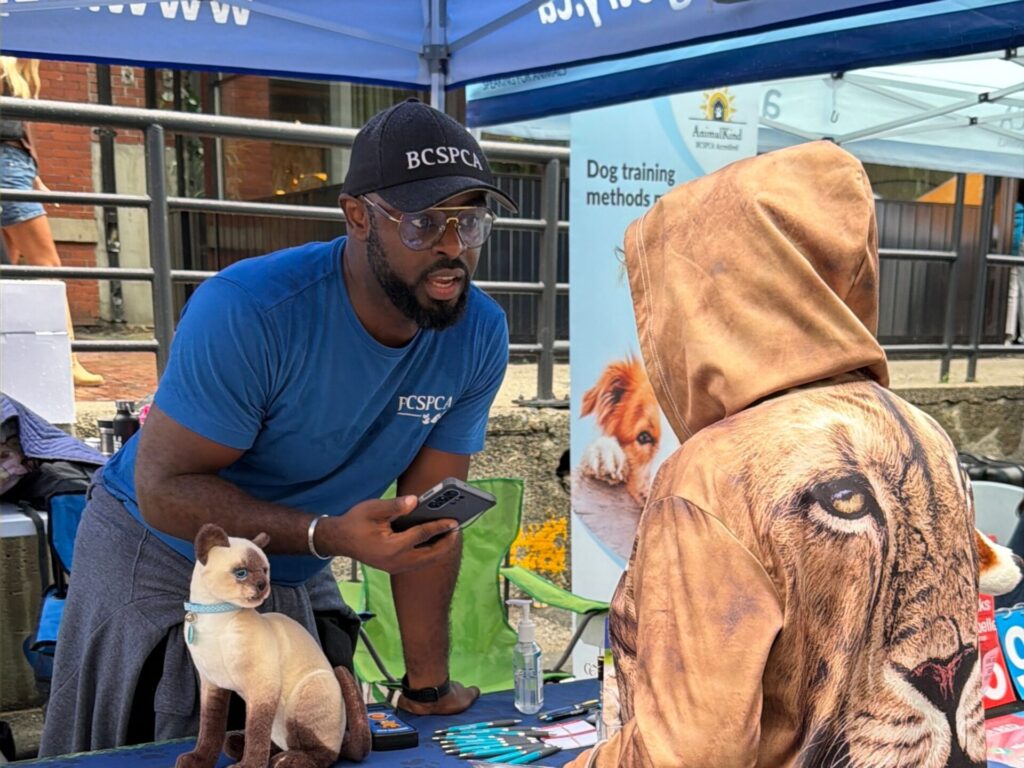

We understand the thinking.
“My dog is always with me.”
“My cat never goes outside.”
“My pet would never run away.”
Most pet guardians do everything they can to keep their pets safe. The problem is that pets do not become lost because someone expects them to.
A door gets left open.
A loud noise causes a pet to bolt.
A leash slips from a hand.
A gate is accidentally left open by a pet sitter.
A storm, fire, or emergency creates chaos.
Lost pets are often the result of unexpected moments, not everyday routines.
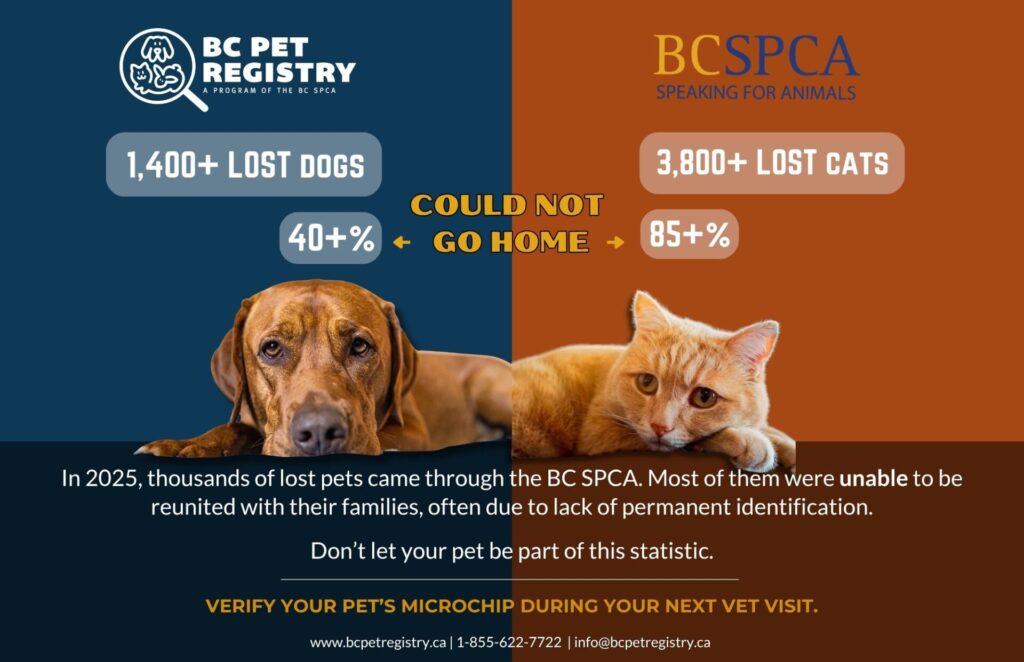
That reality is reflected in what BC SPCA shelters see every year. In 2025 alone, more than 1,400 stray dogs and 3,800 stray cats entered BC SPCA centres.
Yet 40% of those dogs and 85% of those cats could not be reunited with their families.
Lack of identification, an unregistered microchip, or outdated contact information can all create barriers to getting pets home.
That is why it is important not to rely on the belief that “it won’t happen to my pet.”
Your pet does not need to regularly roam the neighborhood to become lost.
Sometimes, all it takes is one open door.
One unexpected noise.
One moment.
Your pet relies on you to be prepared for the moment you hope never happens.
What Does an Unregistered Microchip Mean?
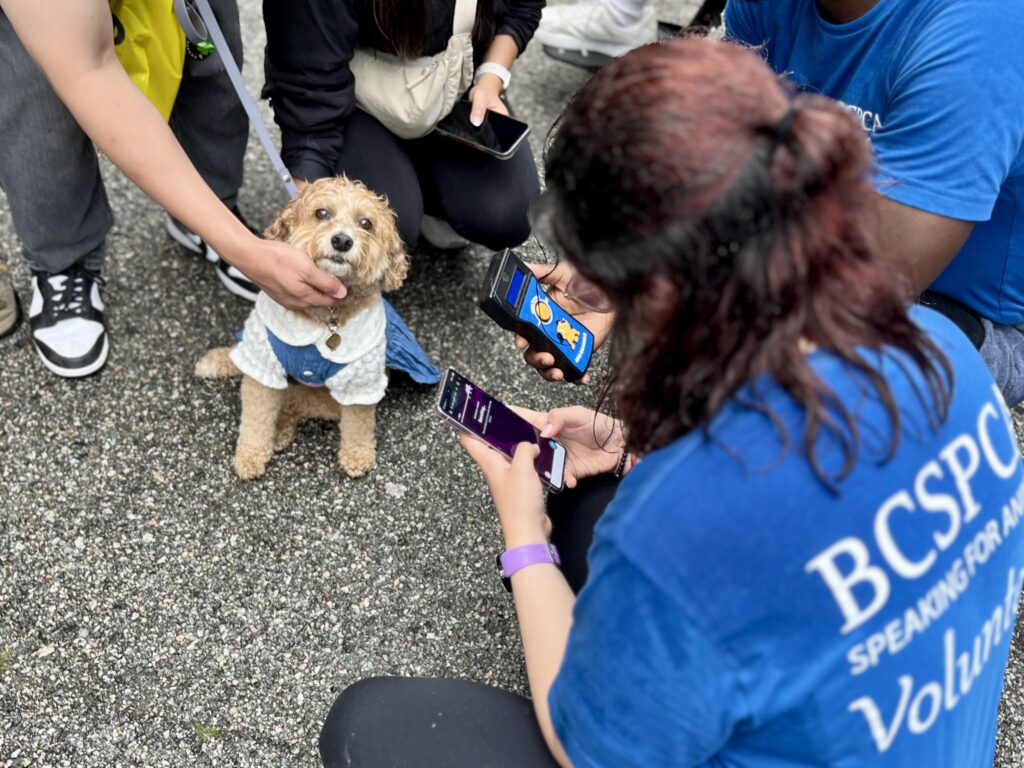
A microchip gives your pet a unique identification number.
However, the number alone does not tell a shelter who you are.
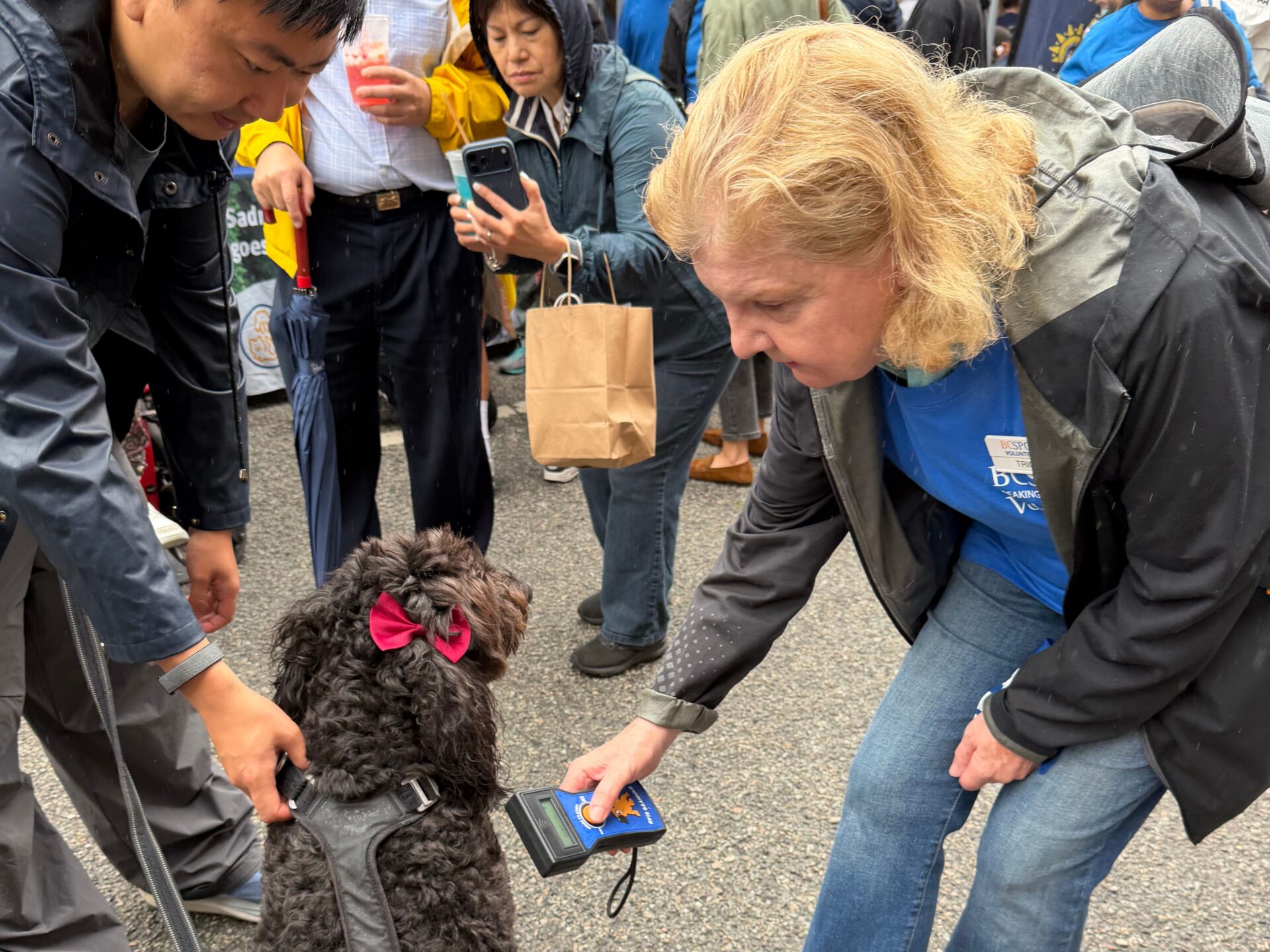
When someone finds a lost pet, a veterinary clinic or shelter can scan the microchip.
They can then search for the microchip number in a pet registry.
If the microchip is not registered, there may be no guardian contact information to find.
The microchip still exists and can still be scanned.
However, the scan may only produce a number.
That is why microchip registration matters.
Registration connects your pet’s identification number with your contact information.
Without that connection, your pet may be safe at a shelter while you have no idea where they are.
Our Volunteers Made These Numbers Possible
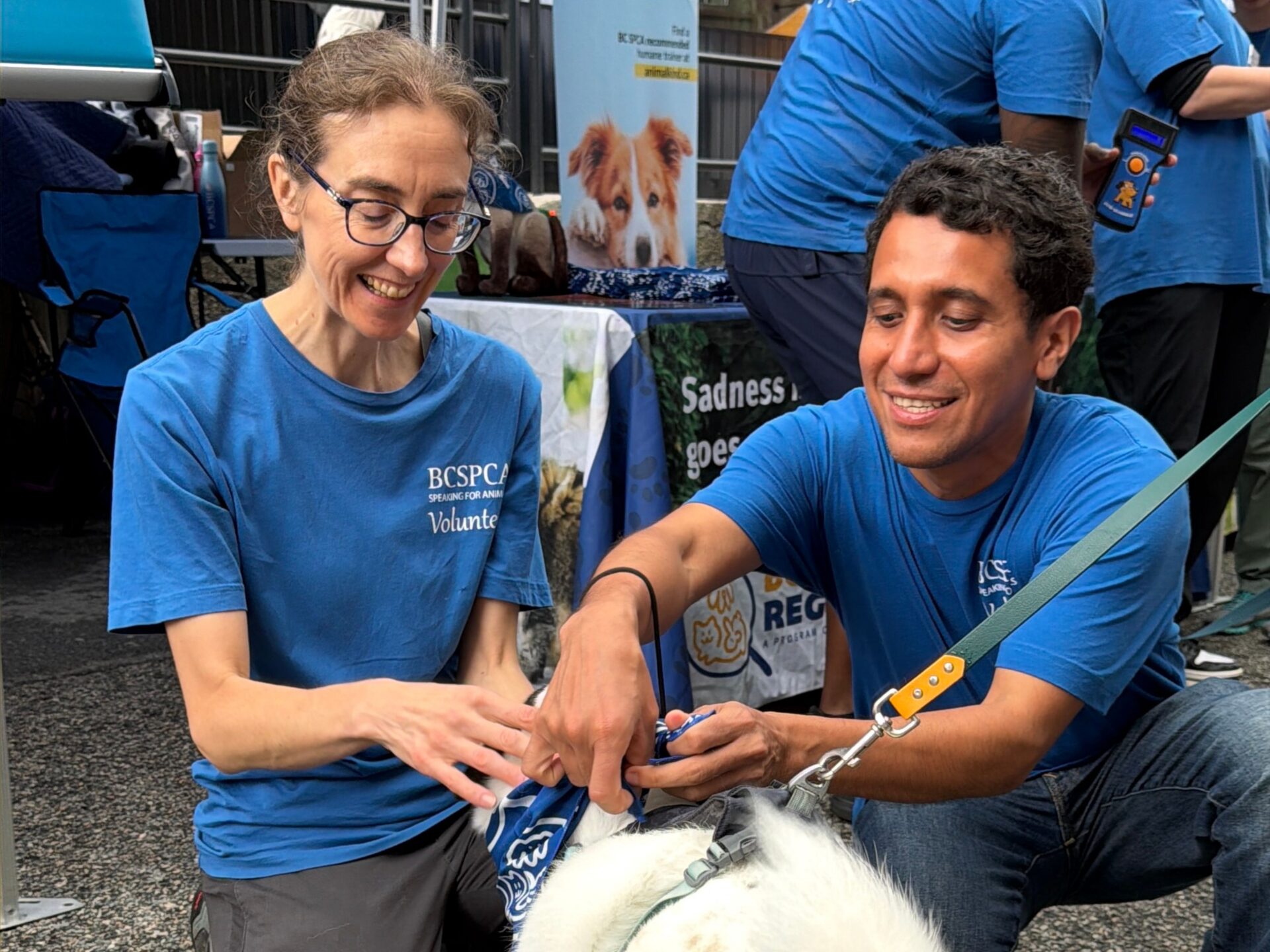
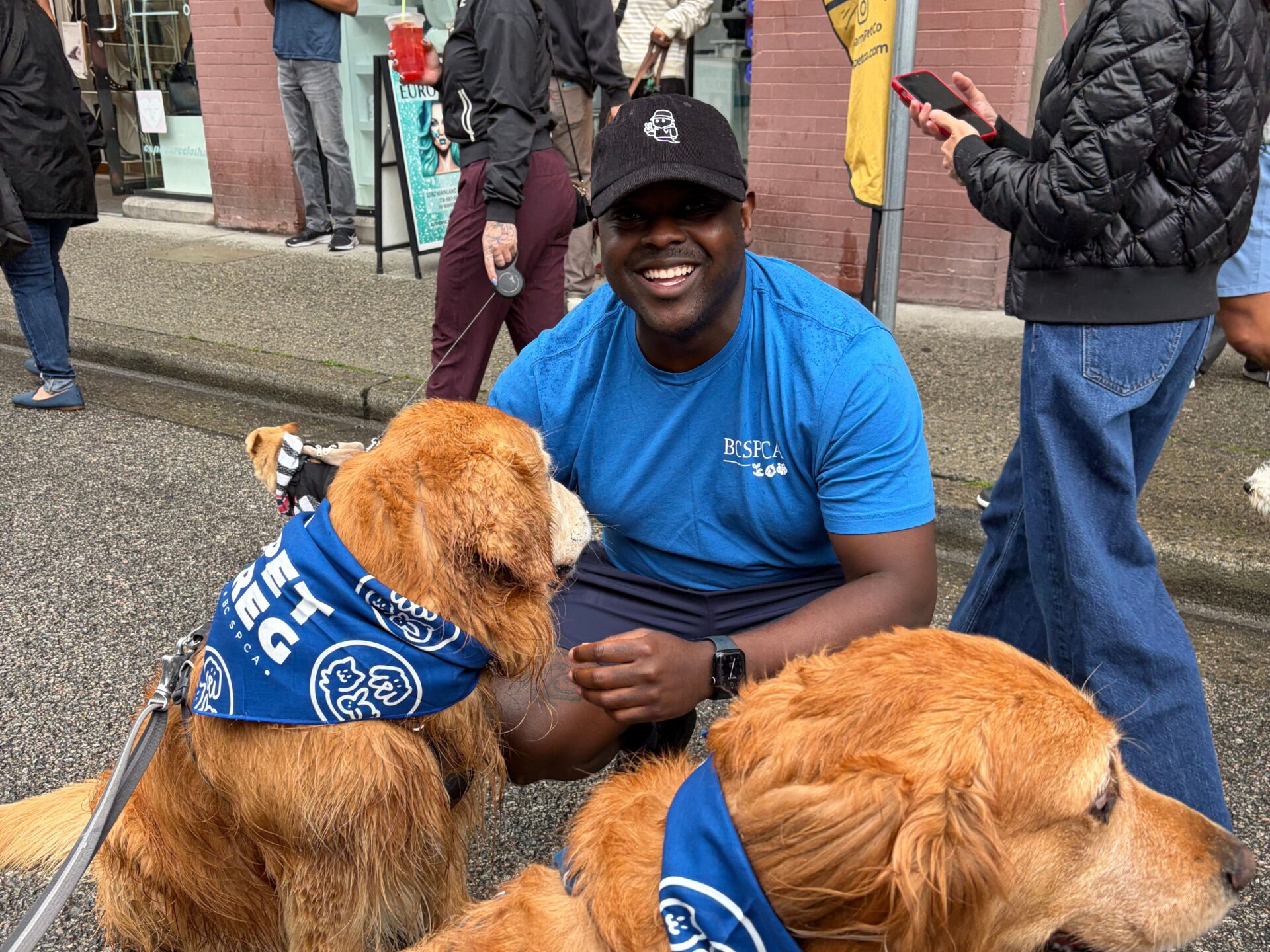
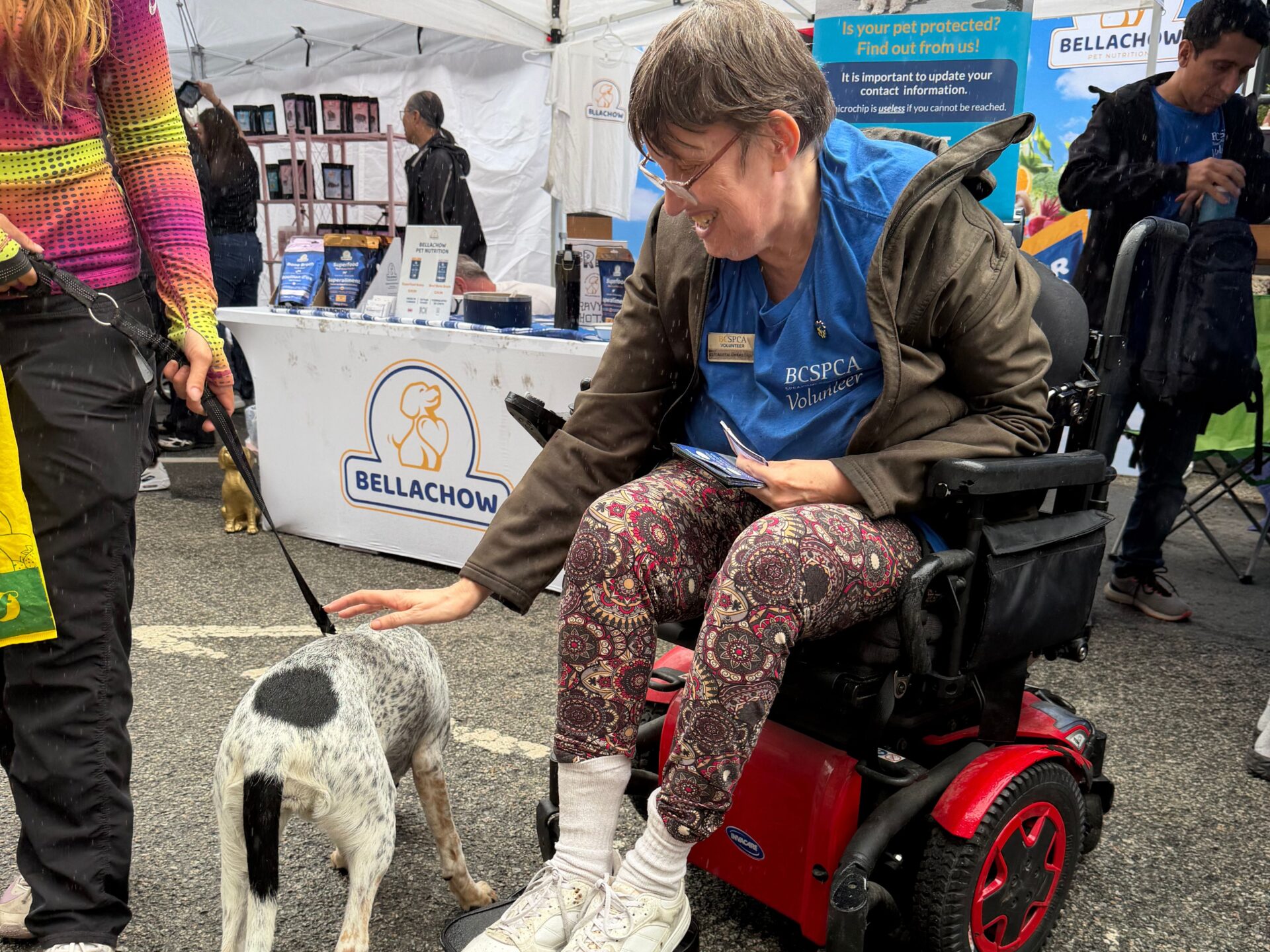
We could not have done this work without our incredible volunteers.
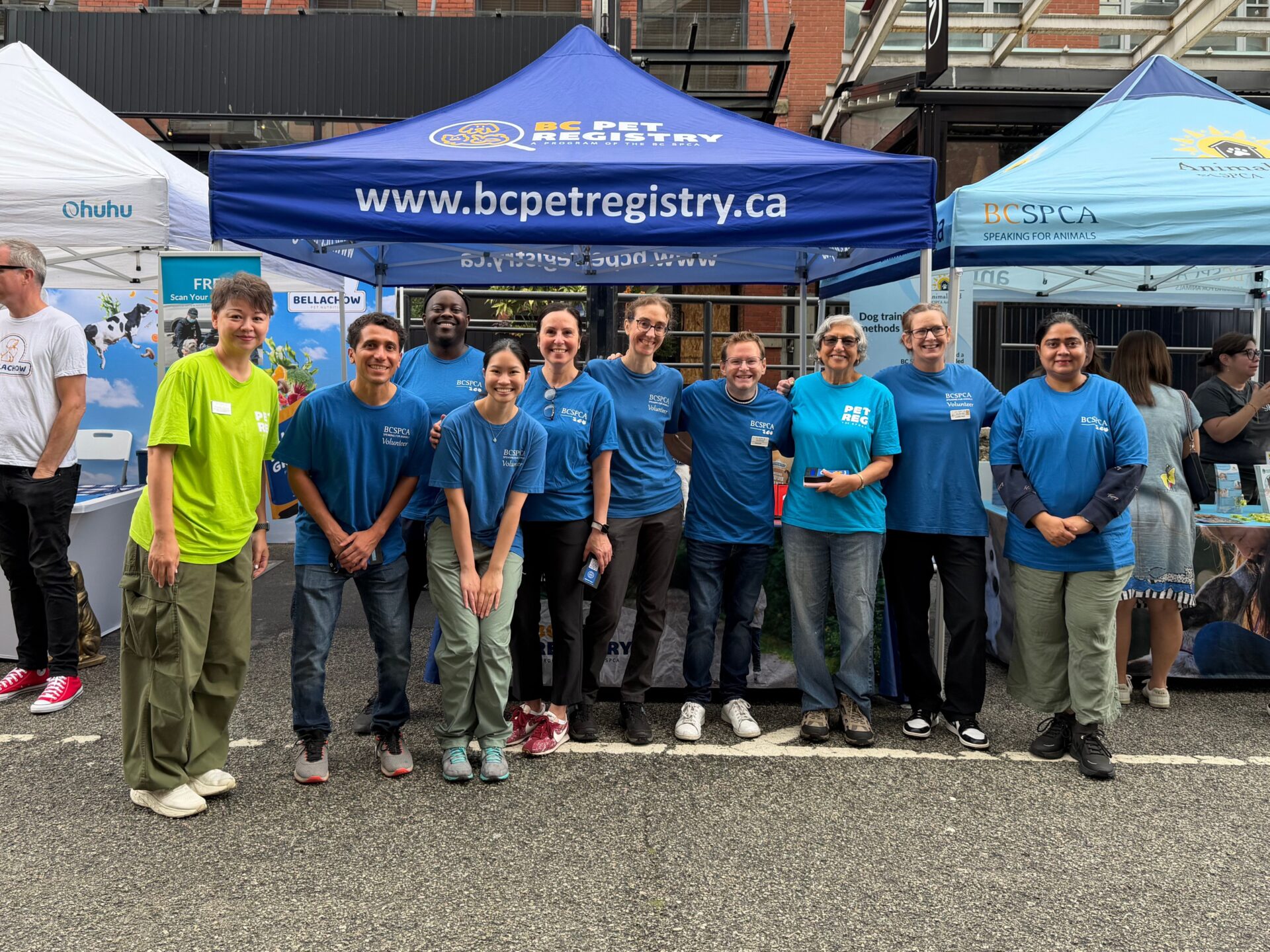
At the Delta Community Animal Expo, 8 volunteers helped scan pets and speak with pet guardians.
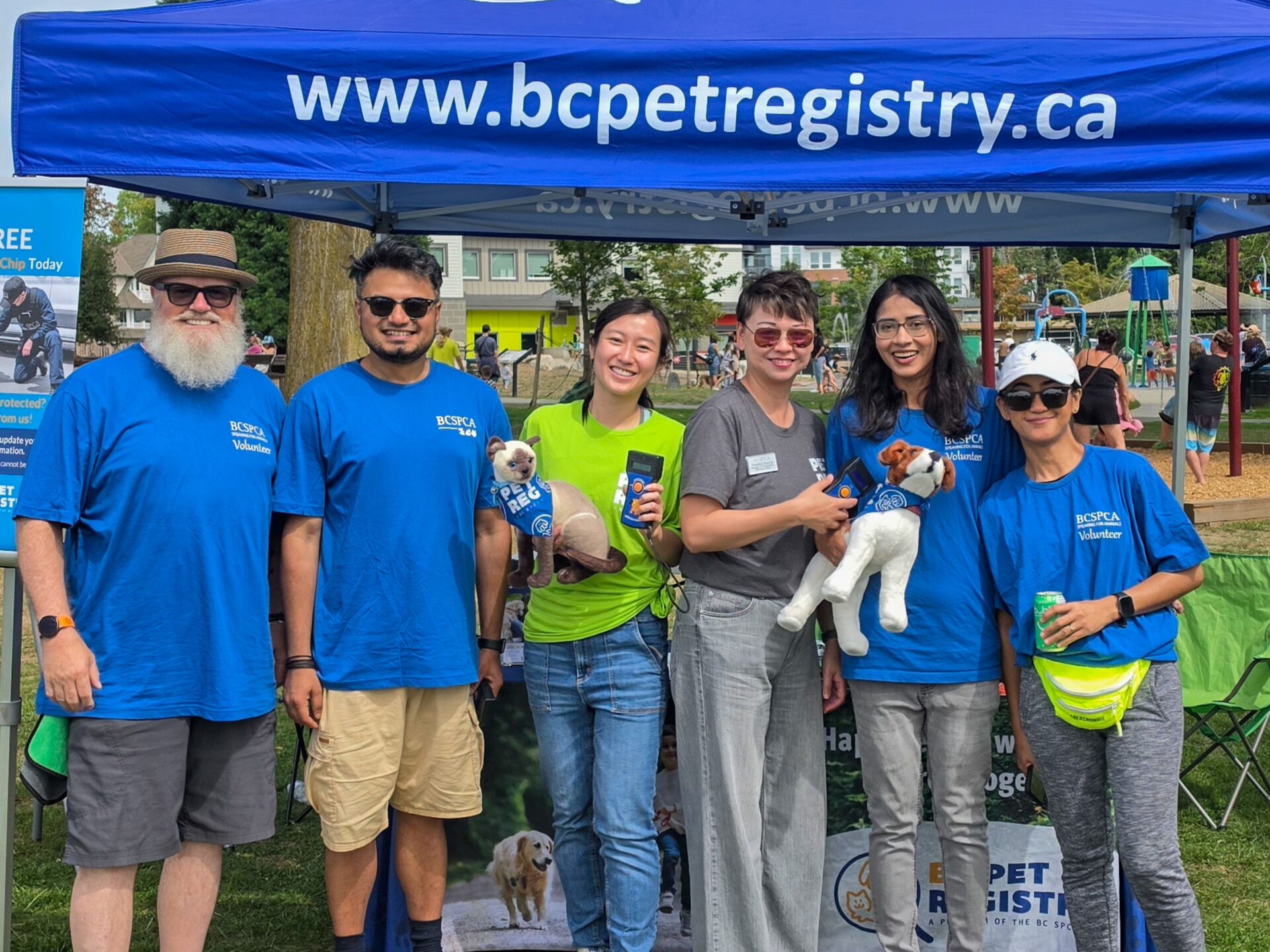
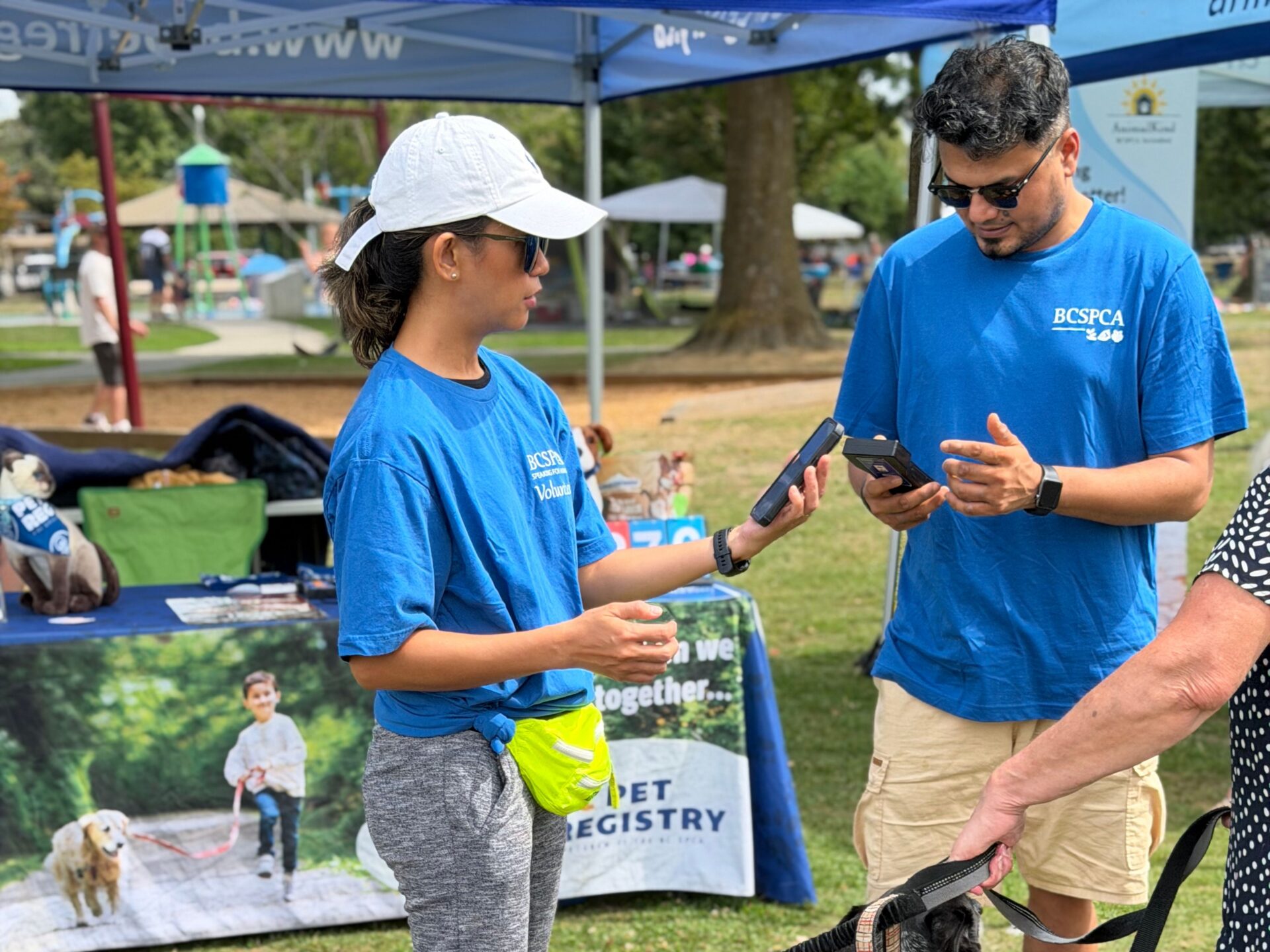
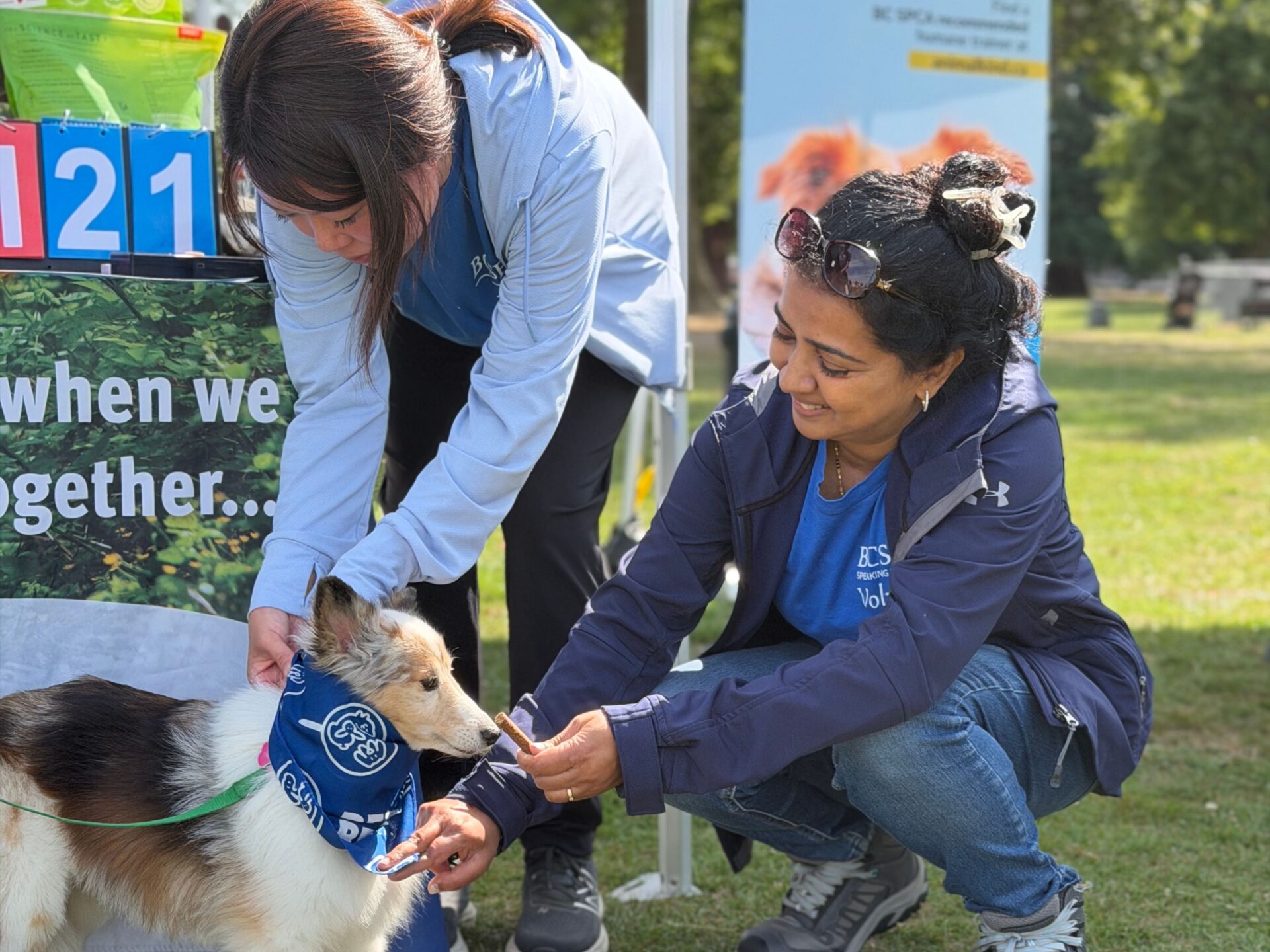



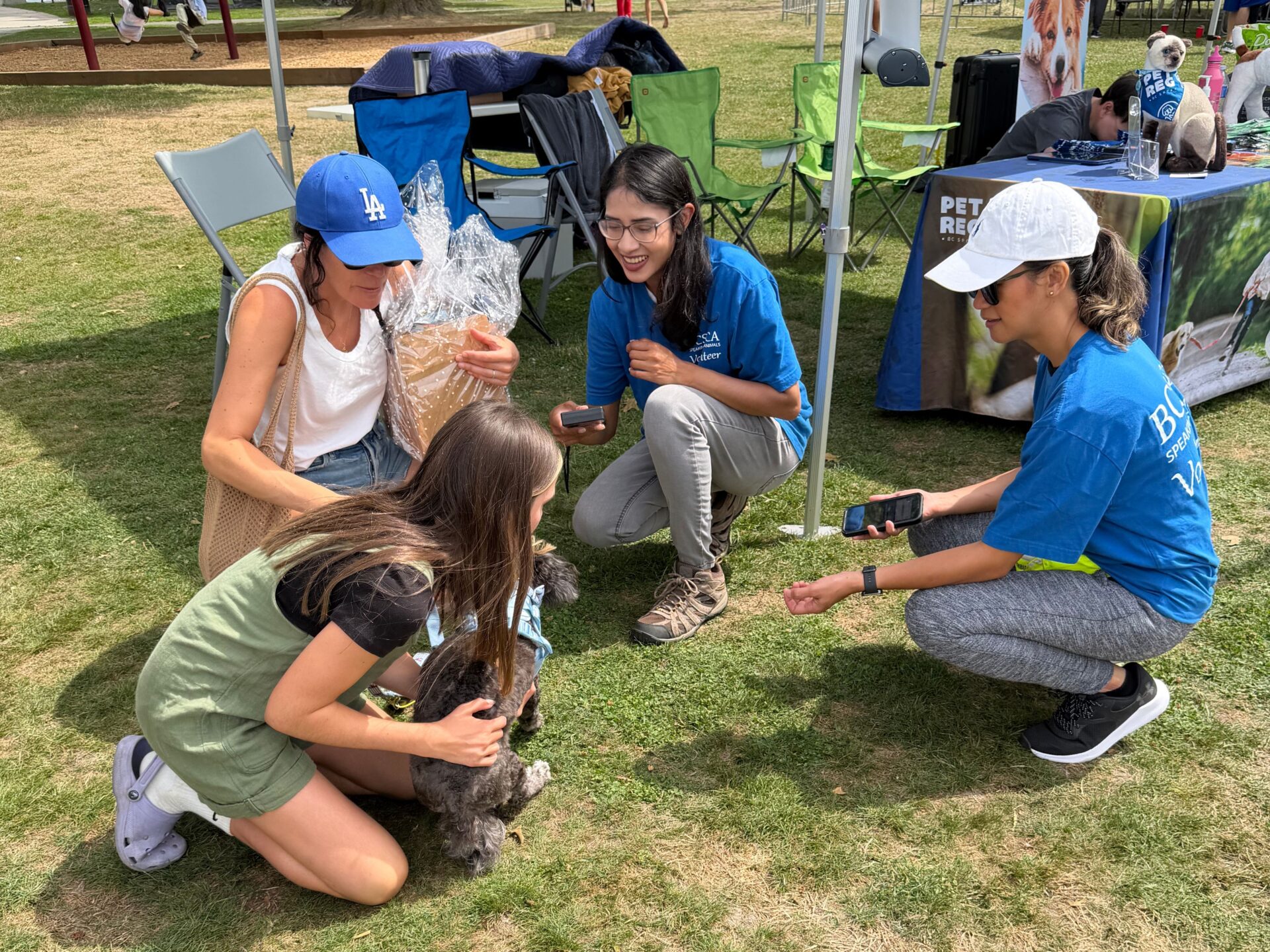
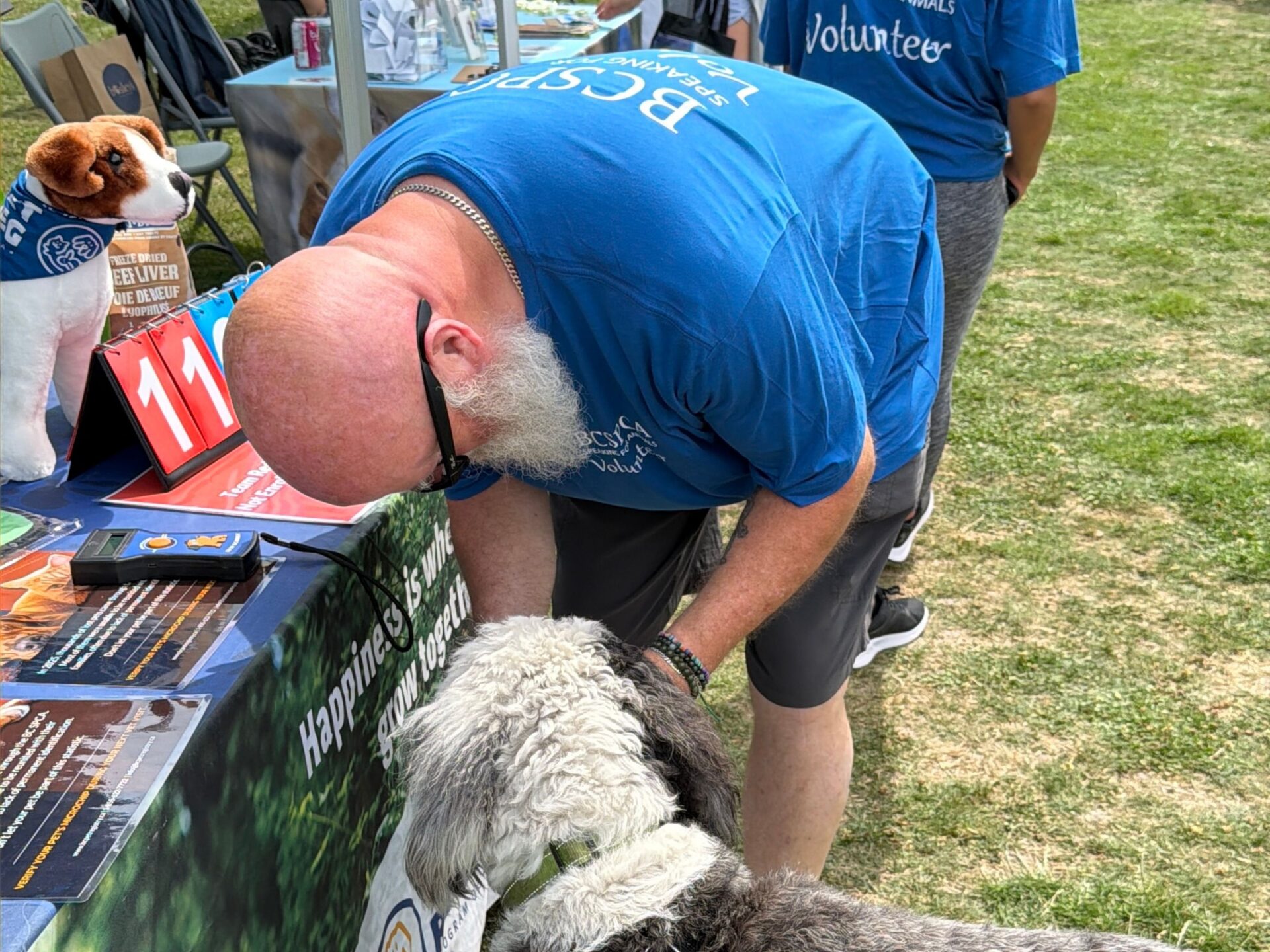
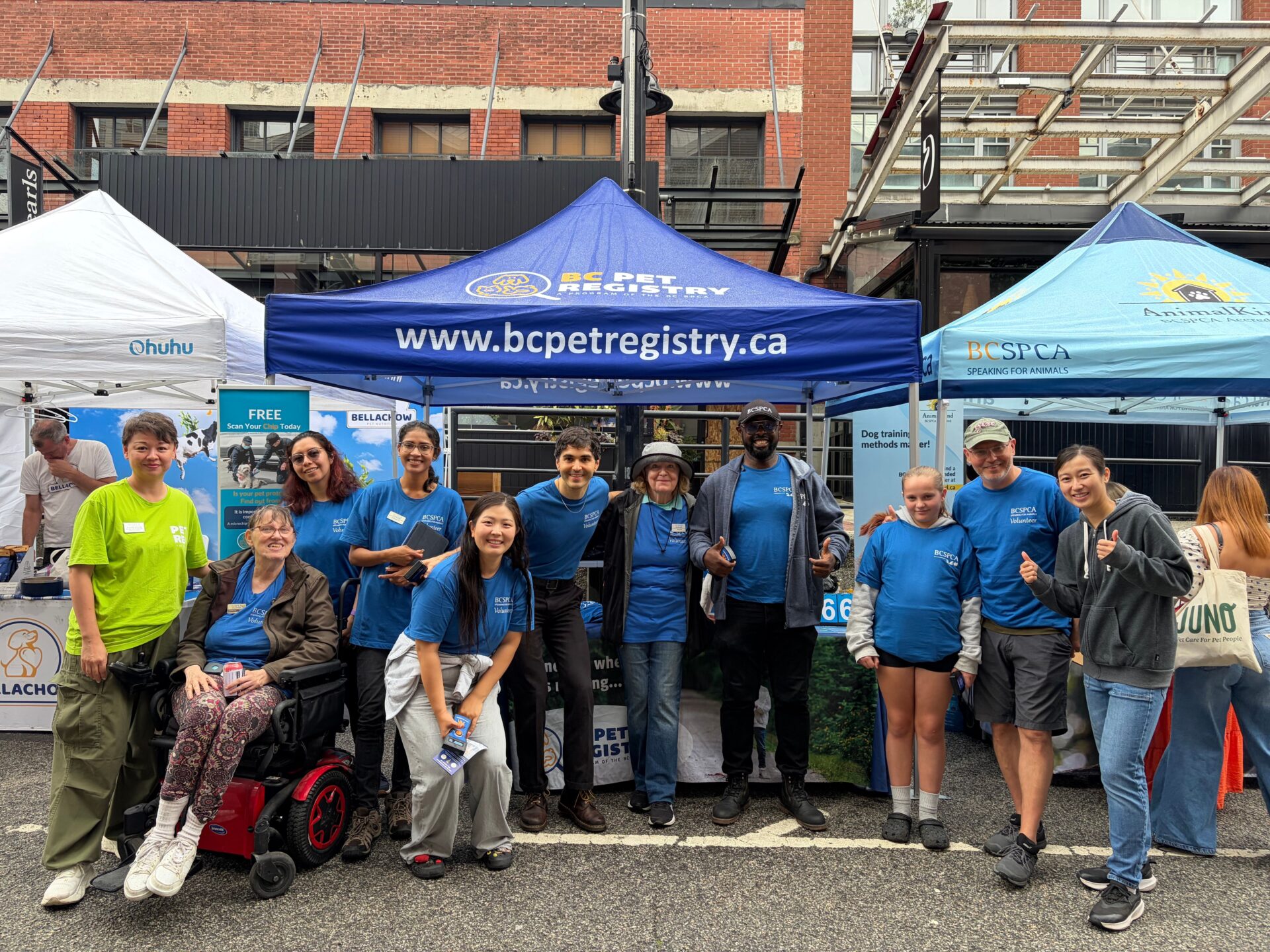
Then, at Pet-a-Palooza, 18 volunteers braved the rain to continue the work.
Together, these volunteers helped us scan 461 microchipped pets across the two events.
Their time and effort helped us uncover an important problem: 94 pets had unregistered microchips. In other words, 94 pets had permanent identification, but no registered contact information was linked to that identification.
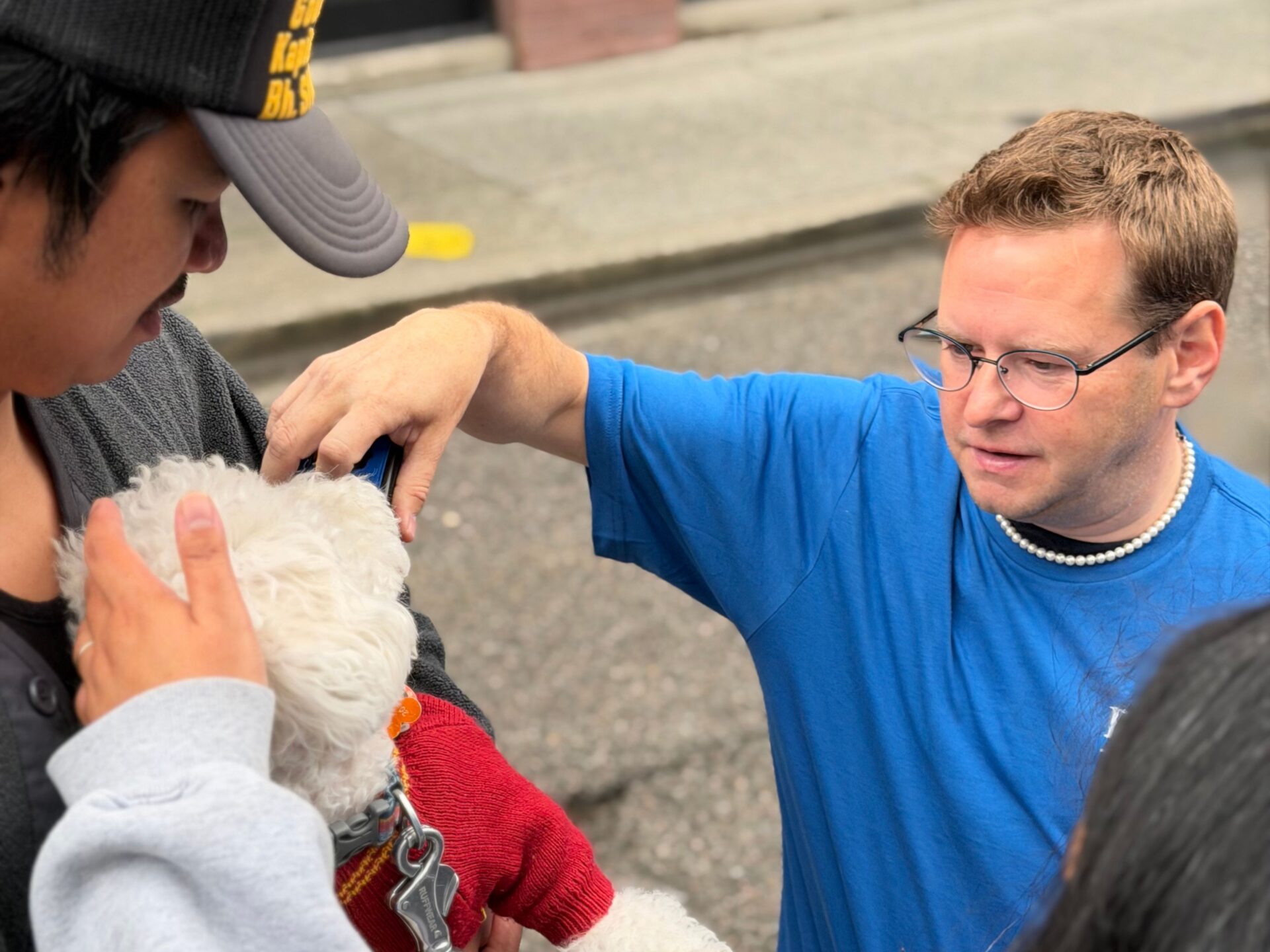
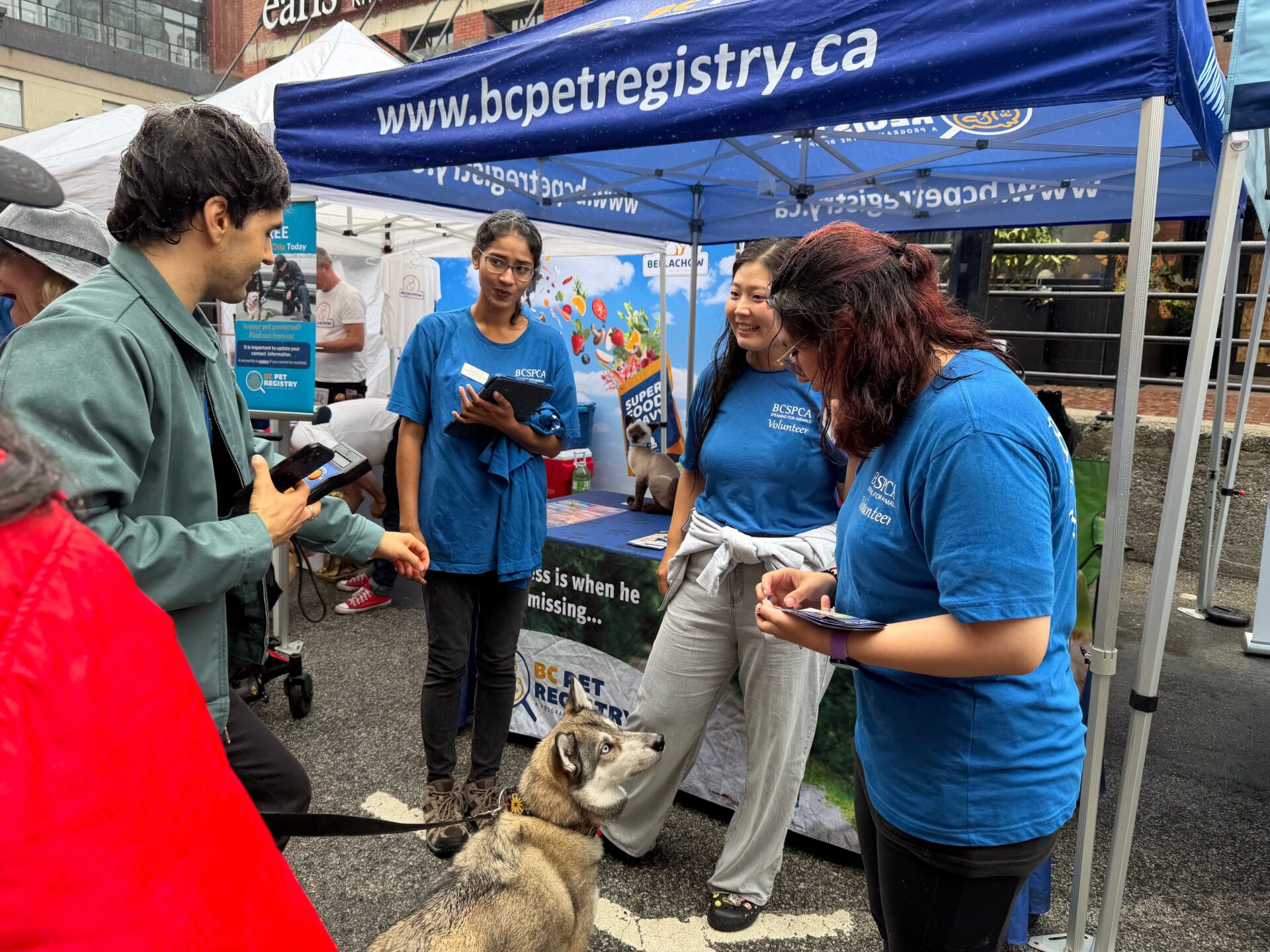
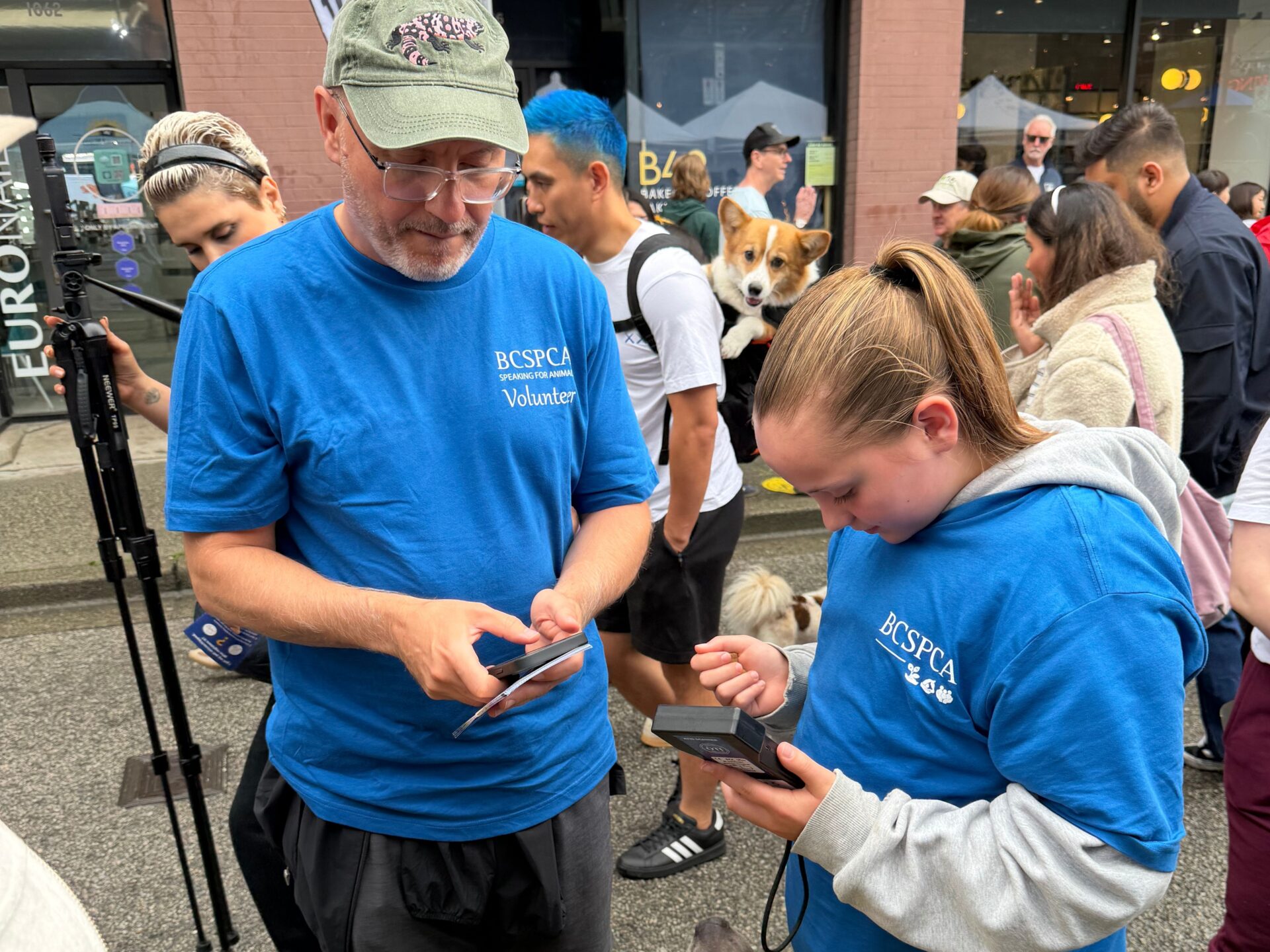
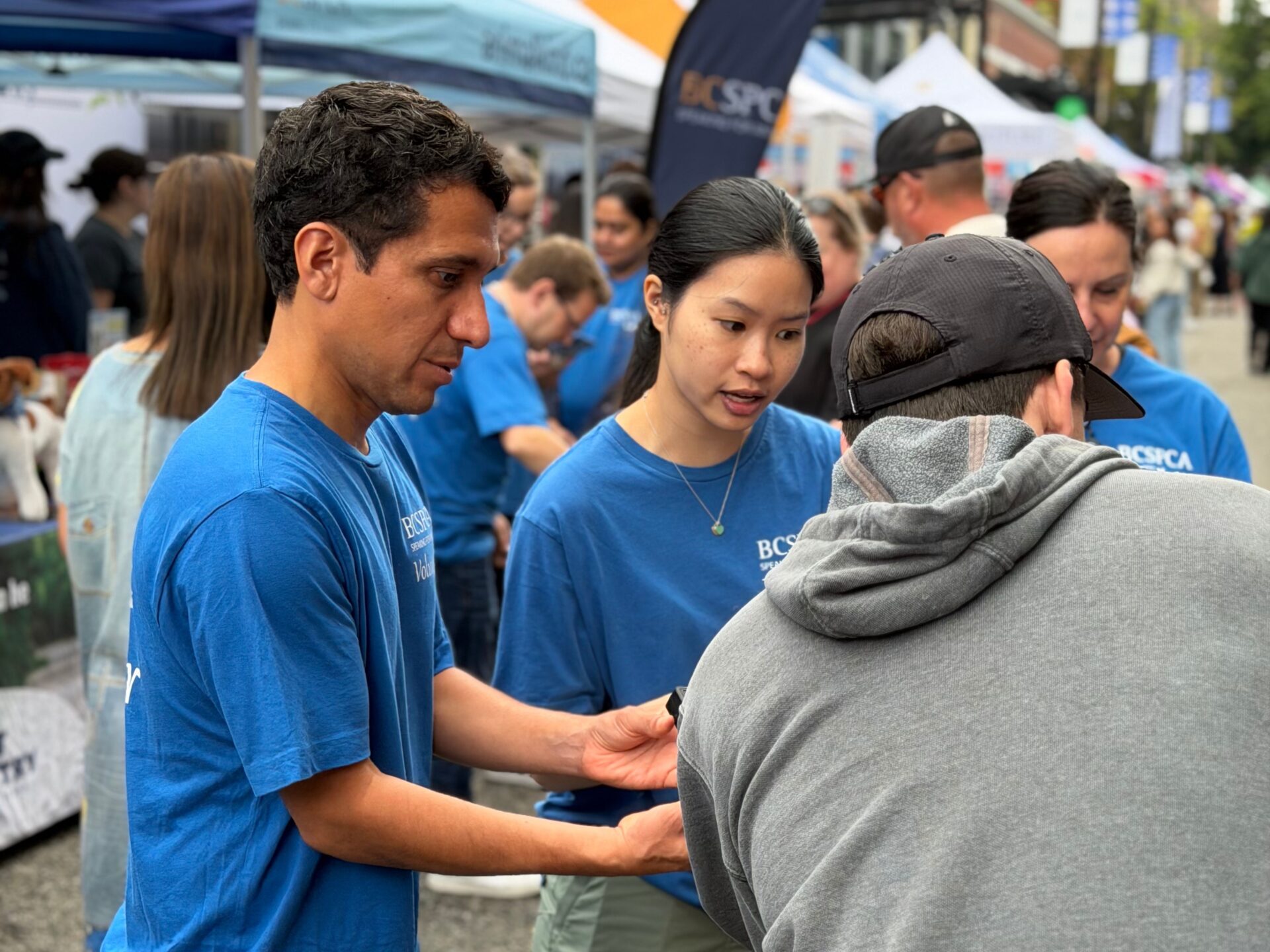
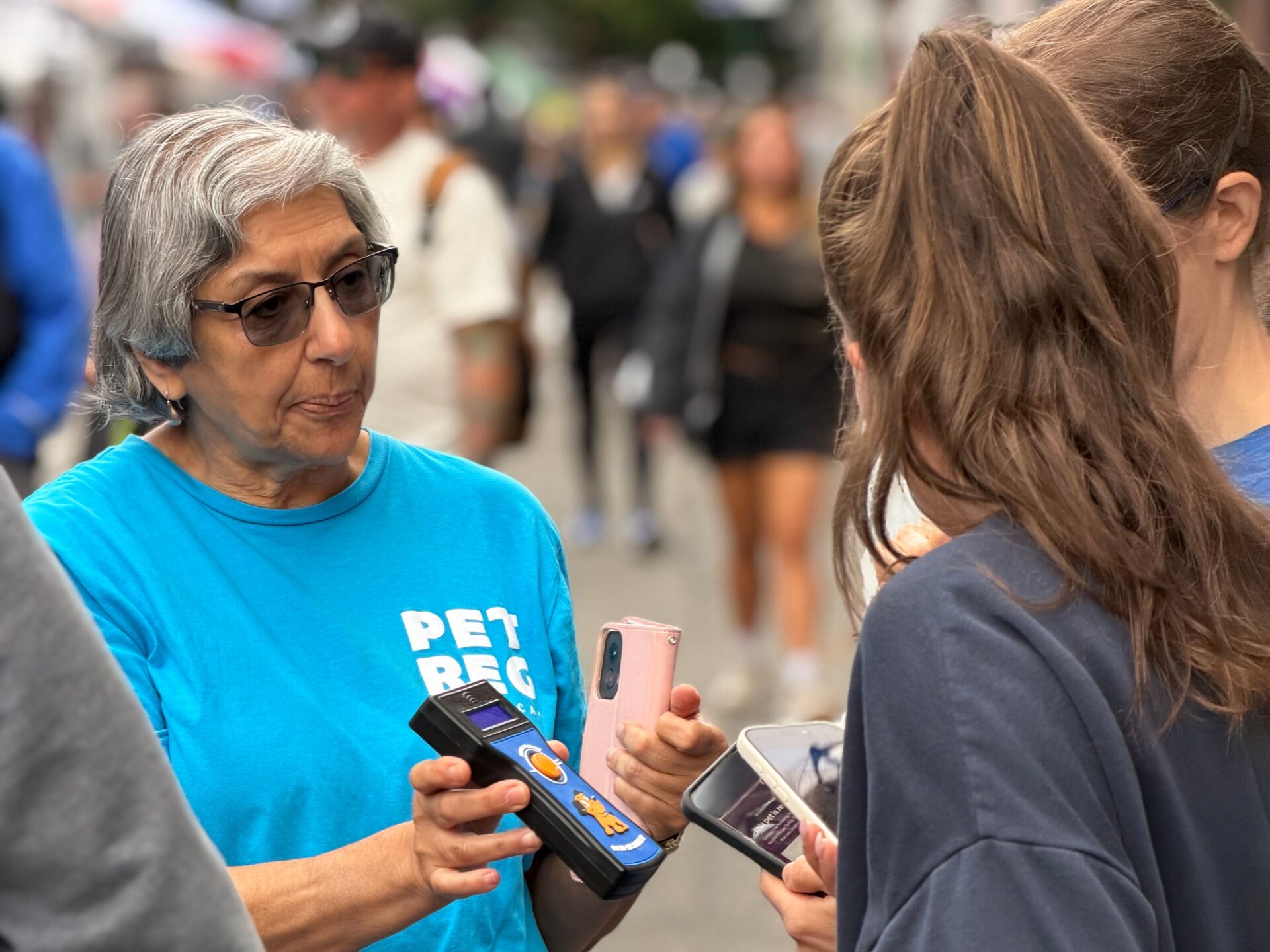

Every scan represents a pet.
Every unregistered microchip represents a gap.
And every conversation gives another guardian a chance to close that gap.
We are incredibly grateful to every volunteer who showed up and helped make this work possible.
























2026 Broke Our Microchip Scanning Record
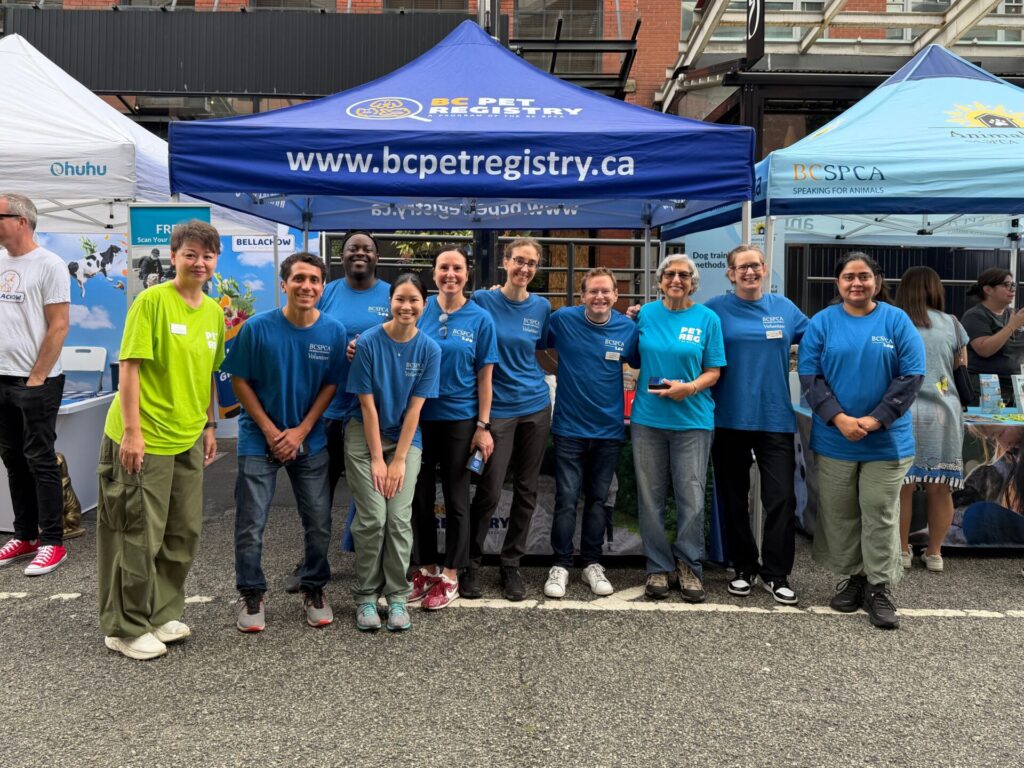
The combined results from these two events helped BC Pet Registry break its record for microchipped pets scanned.
That is something worth celebrating.
However, the 94 unregistered microchips are the number we cannot ignore.
The goal is not simply to scan more pets every year.
The goal is to see fewer unregistered microchips.
We want more pet guardians to understand that microchip registration is part of responsible pet care.
A microchip gives your pet permanent identification.
Registration connects that identification to you.
Without that connection, a microchip scan may only reveal a number.
The Takeaway: 1 in 5 Is Too Many
At two major BC pet events in 2026, we scanned 461 microchipped pets.
We found 94 unregistered microchips.
That means about 1 in 5 microchipped pets had no registered guardian contact information.
Our volunteers worked through the rain.
BC SPCA teams continue to raise awareness.
We will keep sharing these numbers because pet guardians deserve to know about this gap.
But the biggest difference starts with you.
Take a few minutes. Check your pet’s microchip registration. Make sure your contact information is current. If you are unsure, email info@bcpetregistry.ca for support and guidance.
Your pet cannot check it for themselves.
They rely on you to help them get home.
FAQ
1. Why is microchip registration important?
Microchip registration connects your pet’s unique microchip number with your contact information. Without registration, a shelter or veterinary clinic may not be able to trace the microchip back to you.
2. Does my veterinarian automatically register my pet’s microchip?
Not necessarily. Your veterinarian may help with the registration process, but you should always verify the registration yourself. A microchip number does not automatically connect to your contact information.
3. How can I check if my pet’s microchip is registered?
Start by finding your pet’s microchip number. Then, check the appropriate pet registry to confirm that the number connects to your current contact information. If you need help, email info@bcpetregistry.ca for support and guidance.
4. What happens if my pet’s microchip is not registered?
A scanner can still read your pet’s microchip number. However, an unregistered number may not connect to your contact information.
This can make it much harder for a shelter or veterinary clinic to reach you.
If your pet’s microchip is unregistered, consider registering the microchip with BC Pet Registry. Email info@bcpetregistry.ca if you have questions or need support.
5. How often should I check my pet’s microchip registration?
Check your pet’s registration right after the microchip is implanted. Make sure the microchip number and your contact information were entered correctly.
After that, check your information whenever you move or change your phone number or email address.
As a good habit, review your pet’s registration regularly. We also encourage pet guardians to have their pet’s microchip scanned yearly during their annual veterinary exam.