
How One Veterinary Clinic Turned Its Grand Opening into a Community Microchip Clinic
A veterinary clinic grand opening can be more than a chance to show off a new space. It can also be an opportunity to connect with local pet guardians, share important information and help protect pets in the community.
On October 24, 2026, Lake Country Veterinary Clinic in Kelowna welcomed the community to celebrate its opening with activities for people and their pets, including a community microchip clinic supported by BC Pet Registry, a program of the BC SPCA, and the BC SPCA Kelowna Community Animal Centre.
The event offered a practical example of how veterinary clinics can combine community outreach with an important pet-safety service—and how other clinics can get involved, too.
A Grand Opening with Community Spirit
Lake Country Veterinary Clinic made its grand opening a welcoming event for the whole community. Visitors could enjoy balloon bouquets and inflatable decorations, try their luck at a bean toss for prizes, have their faces painted, grab a drink from a mobile coffee truck, tour the new clinic and take family photos—including their pets—in a dedicated photo room.
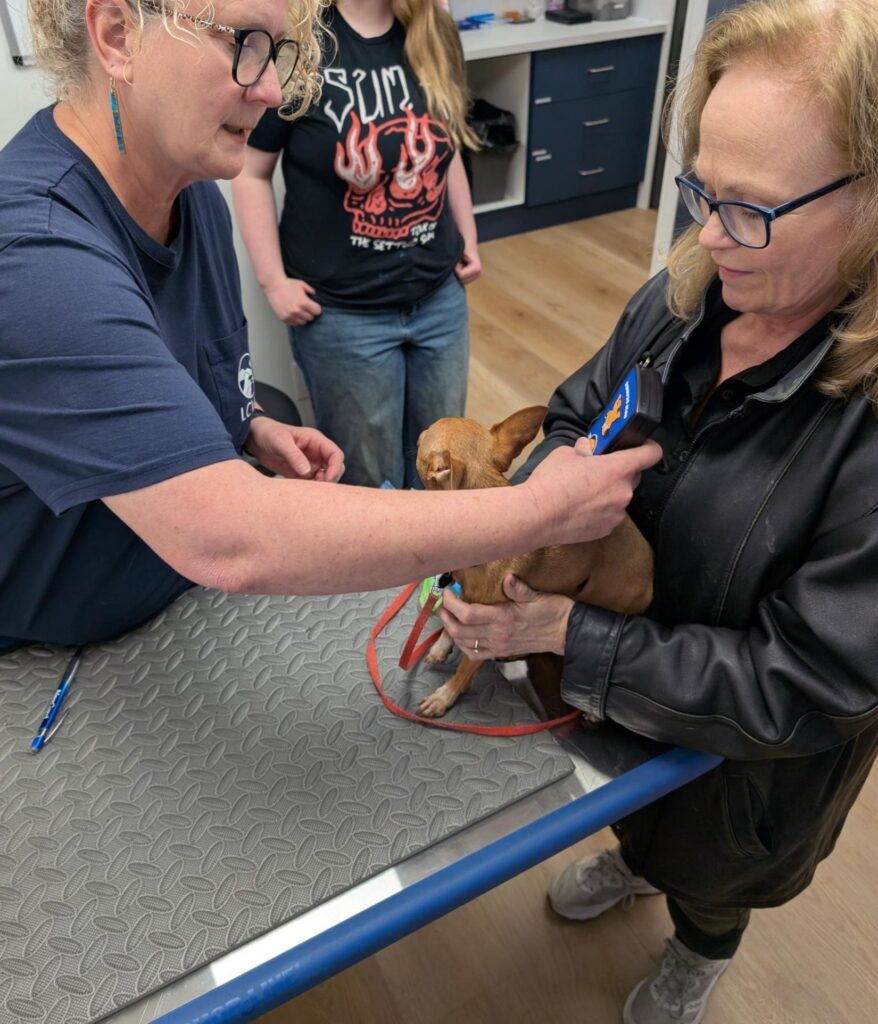
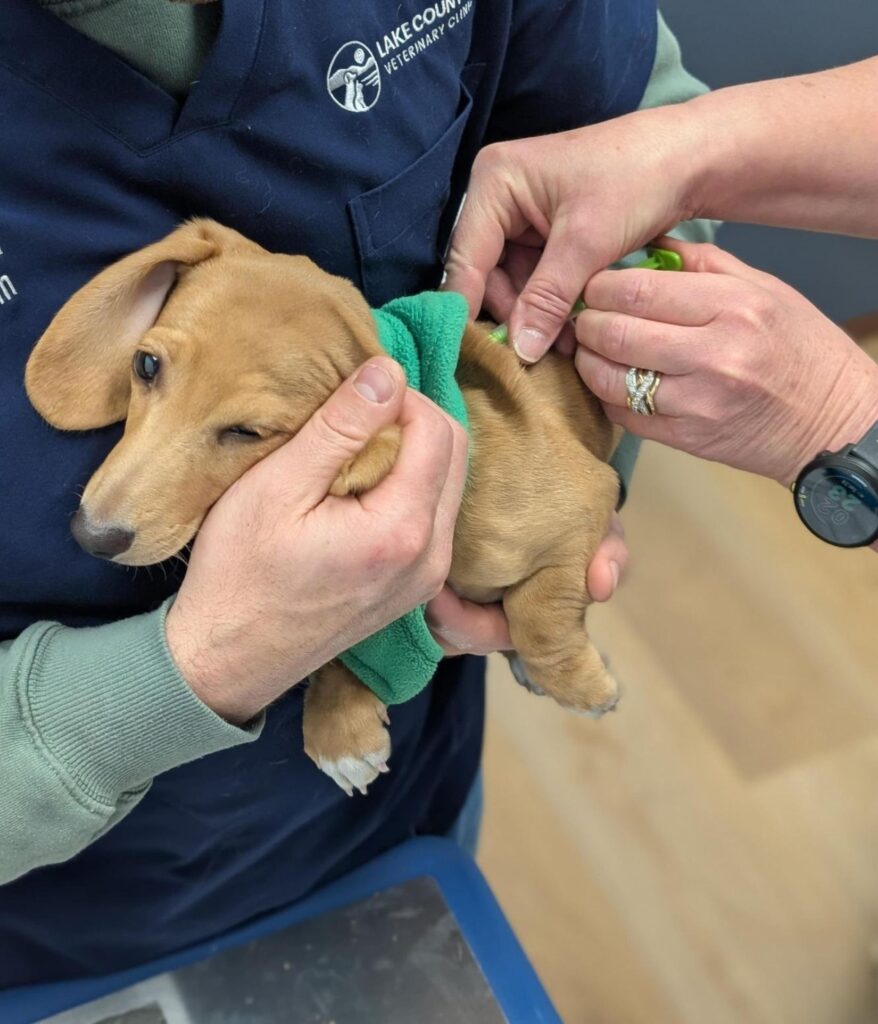
Among the activities was a pop-up microchip clinic in an exam room, giving pet guardians an opportunity to learn about permanent identification and have their pets microchipped.
By combining a celebratory atmosphere with a practical service, the clinic created an opportunity for people to connect with the veterinary team while learning more about keeping their pets safe.

Bringing Microchip Identification to the Community
Carlee, an animal care attendant with the BC SPCA, helped organize and coordinate the microchip clinic. It was her third microchip clinic since joining the BC SPCA, and she was pleased with how welcoming the veterinary team and community were.
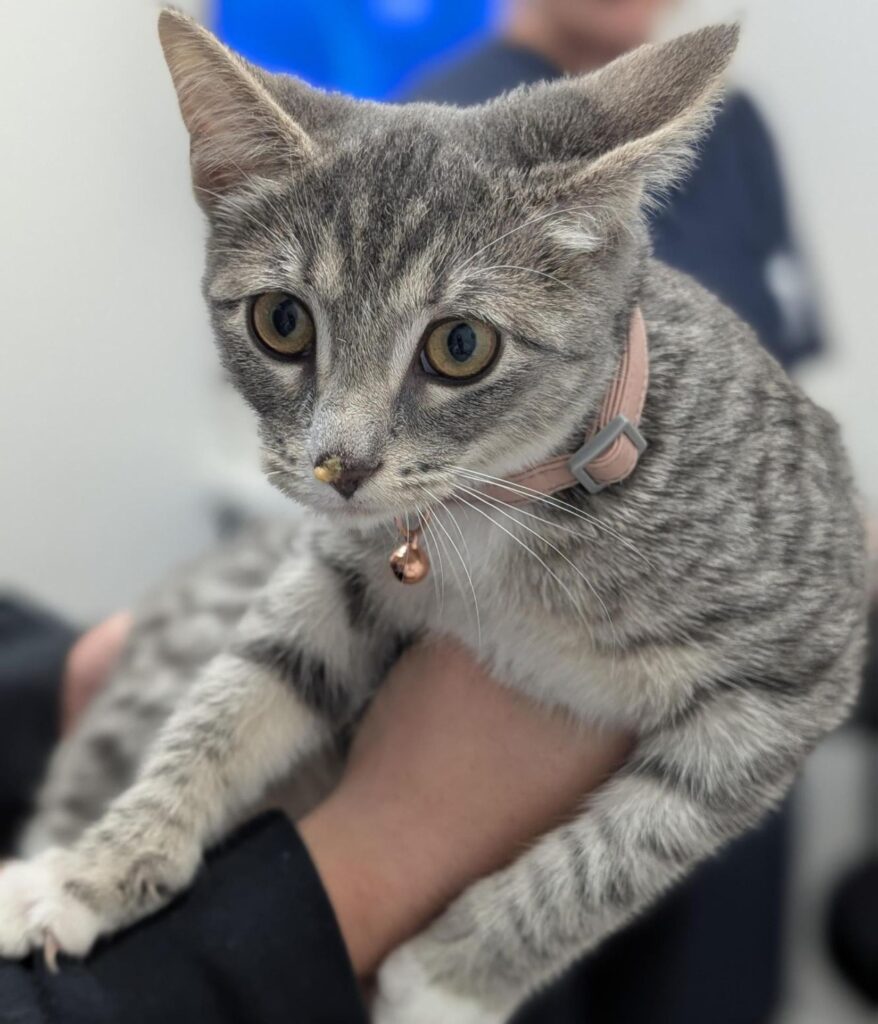
The first hour was busy, with pet guardians arriving one after another. By the end of the event, 10 dogs and 1 cat had been microchipped. The team also scanned another dog and discovered that the dog already had a microchip.
That scan provided another important opportunity to educate a pet guardian. The owner received information on how to identify the microchip number and find out how to update the registration with their current contact details.
— Carlee, BC SPCA animal care attendant
Getting a microchip implanted is an important first step, but it is equally important to make sure the microchip is registered and linked to current contact information. A microchip stores a unique identification number; the registry connects that number to the information needed to contact a pet's guardian.
Pet guardians can log in to their BC Pet Registry account to review their registration details and make sure their contact information is up to date.
Microchip Clinics Do More Than Provide Permanent Identification
Community microchip clinics also create opportunities to answer questions and clear up misconceptions about pet identification. For some guardians, the clinic may be their first chance to learn how microchips work, why registration matters, and what to do if their pet already has a chip.
— Carlee, BC SPCA animal care attendant
For veterinary clinics, hosting a community microchip clinic can be a practical way to introduce the team to local pet guardians, build community connections and help more pets receive permanent identification.
How Veterinary Clinics Can Host a Community Microchip Clinic
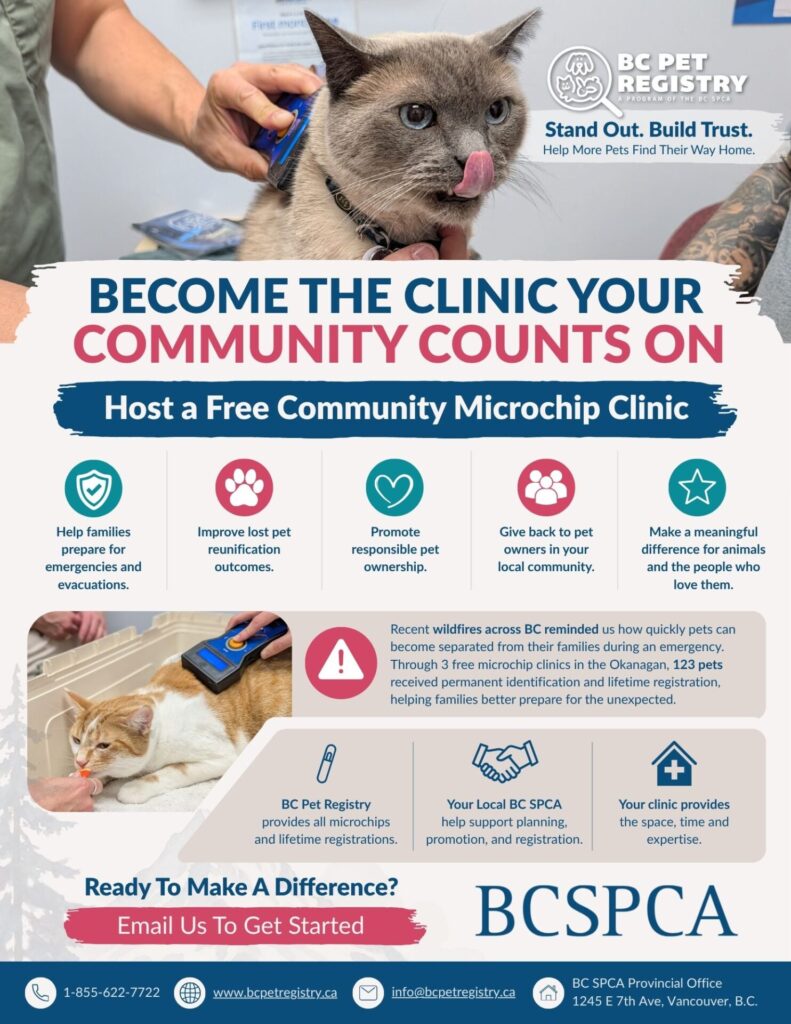
BC Pet Registry and local BC SPCA staff can help clinics explore a community microchip clinic. The event can be tailored to the clinic's space, staff availability and community needs.
1. BC Pet Registry Supplies Microchips
BC Pet Registry can provide microchips to support participating community clinics, helping make permanent identification available to more pets.
2. Local BC SPCA Support
Local BC SPCA staff can help with event coordination, registration assistance and education about microchips and the importance of keeping guardian contact details current.
3. Your Clinic Provides the Setting
Participating veterinary clinics contribute their location, professional expertise and time to implant the microchips, helping make the event possible for local pet guardians.
A Team Effort to Welcome the Community
A successful community event takes a team. Thank you to Lake Country Veterinary Clinic for welcoming BC SPCA staff and making microchip education part of its grand opening celebration.
Special recognition goes to the clinic team members who helped make the event memorable:
- Dr. Shaun and Dr. Benjamin — veterinarians and clinic owners
- Jack Haydarian — practice manager and veterinary technician
- Wendy — veterinary technician
- Campbell and Jolene — veterinary assistants
- Camille — receptionist
- Sienna — Wendy’s daughter, who volunteered her face-painting skills
Thank you as well to Carlee and the BC SPCA Kelowna Community Animal Centre for supporting the clinic and helping bring permanent identification education to local pet guardians.
Events like this show how veterinary clinics and animal welfare organizations can work together to make pet safety information more accessible to the community.
Interested in Hosting a Community Microchip Clinic?
Your clinic could help more pet guardians learn about permanent identification and give more pets an important layer of protection.
Whether you are planning a grand opening, organizing a community event or exploring outreach opportunities at an established practice, BC Pet Registry would love to hear from you.
Contact us to discuss how your clinic could get involved and what support may be available.
Contact BC Pet Registry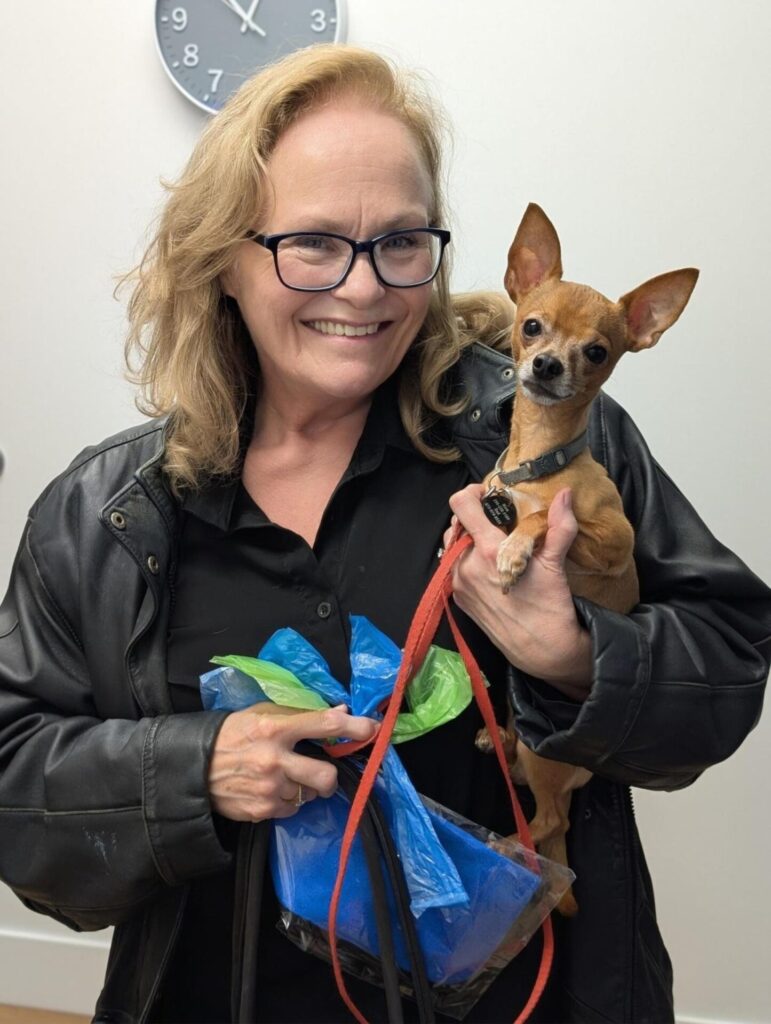
Frequently Asked Questions About Community Microchip Clinics
1. What is a community microchip clinic?
A community microchip clinic is an event where pet guardians can access microchipping services free of charge and learn about permanent pet identification. Veterinary clinics can host these events to help make microchipping and registration information more accessible to their communities.
2. Who can host a community microchip clinic?
Veterinary clinics can contact BC Pet Registry to explore hosting a clinic, including as part of a grand opening or another community event. Available support and arrangements depend on the event and applicable program terms.
3. What support can BC Pet Registry provide?
BC Pet Registry may provide microchips and work with local BC SPCA staff to support event coordination, registration assistance and community education. Contact info@bcpetregistry.ca to discuss your clinic's needs.
4. Why is microchip registration important?
A microchip contains a unique identification number, but it does not store your contact details or provide GPS tracking. Registering the number connects it to guardian information so that authorized people can use the registry to help contact you if your pet is found. Keep your contact details current so they remain useful when needed.
5. What should I do if my pet already has a microchip?
Ask a veterinary professional or animal welfare organization to scan the chip and identify its number. You can then determine which registry holds the record and confirm that your contact information is current. If you have a BC Pet Registry account, you can log in to review your registration.
About BC Pet Registry
BC Pet Registry is a program of the BC SPCA. It provides permanent pet identification registration and supports the reunification of lost pets with their families. Microchips registered with BC Pet Registry can be looked up internationally through the American Animal Hospital Association (AAHA) Universal Pet Microchip Lookup.
Learn more at bcpetregistry.ca.