
BC Pet Registry attended the 2026 Humane Canada’s Summit for Animals conference to showcase BC Pet Registry microchips and connect with veterinarians, rescues, and industry professionals. The event highlighted the veterinary access crisis and the role clinics play in improving outcomes. By switching to BC Pet Registry microchips, veterinary teams can help reduce financial barriers, improve registration rates, and support animal welfare initiatives across British Columbia.
Why BC Pet Registry Microchips Matter to Veterinary Clinics
BC Pet Registry microchips were showcased at the 2026 Humane Canada’s Summit for Animals, where our team attended as part of the Discovery Hub tradeshow. At this national event, we connected with veterinarians, rescue groups, and industry leaders. Just as importantly, for those who stopped by our booth during Discovery Hub breaks, we discussed how BC Pet Registry microchips can improve pet identification while supporting animal welfare initiatives across British Columbia.
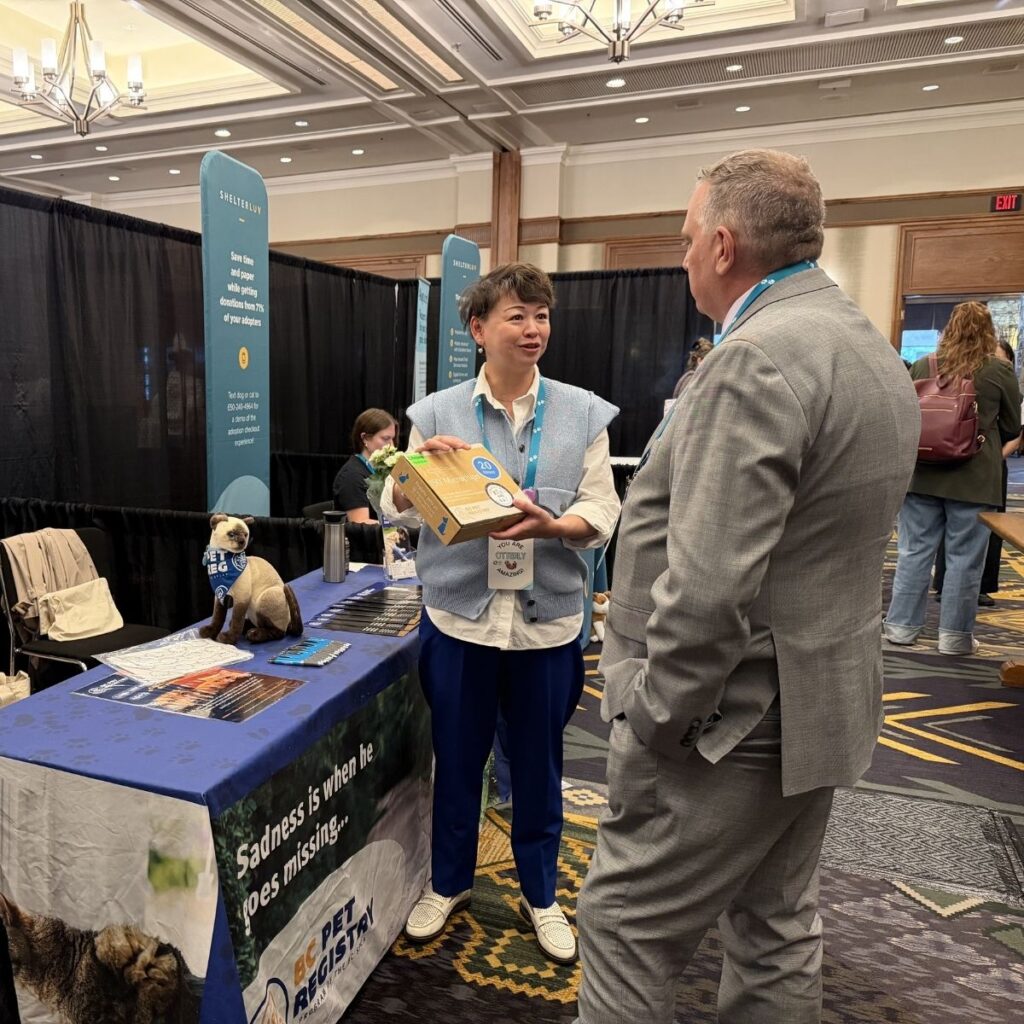
At the same time, the summit highlighted a critical issue. Veterinary access remains a growing challenge across Canada. Therefore, collaboration across the industry is essential to create meaningful change.
Addressing the Veterinary Access Crisis Together
Across British Columbia, clinics face staffing shortages, rising costs, and increasing demand. As a result, many pet guardians struggle to access timely care. However, the solution requires more than one group. Instead, veterinarians, rescues, pet owners, and organizations must work together.
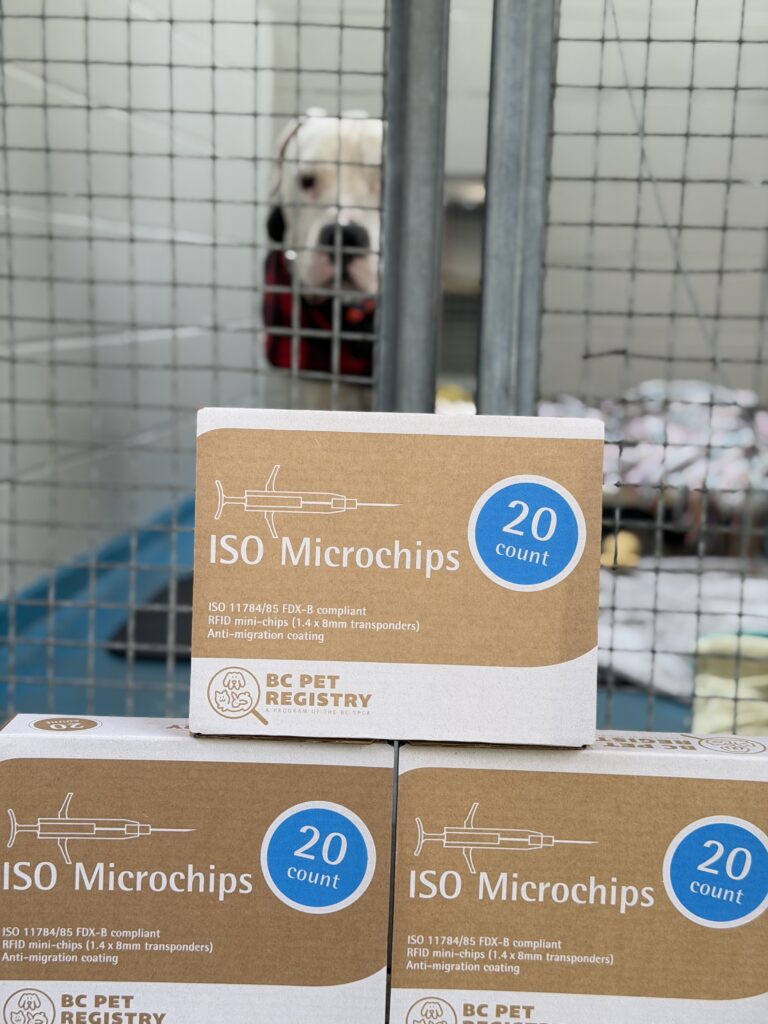
BC Pet Registry, as a program of the BC SPCA, aims to support this effort. Specifically, we focus on reducing financial barriers to permanent pet identification. When pets receive BC Pet Registry microchips earlier, they have a better chance of returning home quickly. Consequently, fewer animals remain in shelters waiting for reunification.
Through this work, we have donated over 10,000 microchips to communities through our grant program. In addition, we have subsidized over 12,000 animals through the BC SPCA’s low-income spay/neuter program. These efforts directly strengthen community-based animal welfare across BC. See our community work here.
How Veterinarians Can Make an Immediate Impact
Veterinary teams already play a vital role in pet identification. Therefore, small changes in daily practice can create a significant impact.
1. Switch to BC Pet Registry Microchips
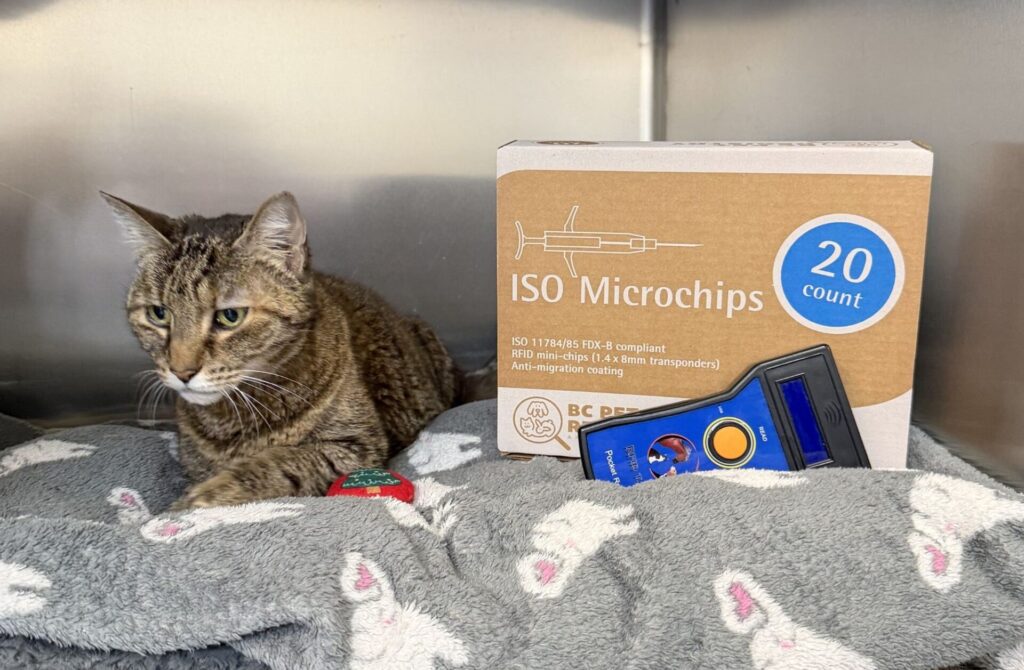
Clinics already microchip pets. However, by choosing BC Pet Registry microchips, clinics also support a non-profit registry focused on social change. This simple switch helps fund programs that benefit animals and communities across the province. More info for vets here.
2. Volunteer at Community Microchip Clinics
In addition, veterinary professionals can volunteer a few hours at local microchip clinics. These clinics support pet guardians who need additional financial assistance. As a result, more pets receive permanent identification earlier in life.
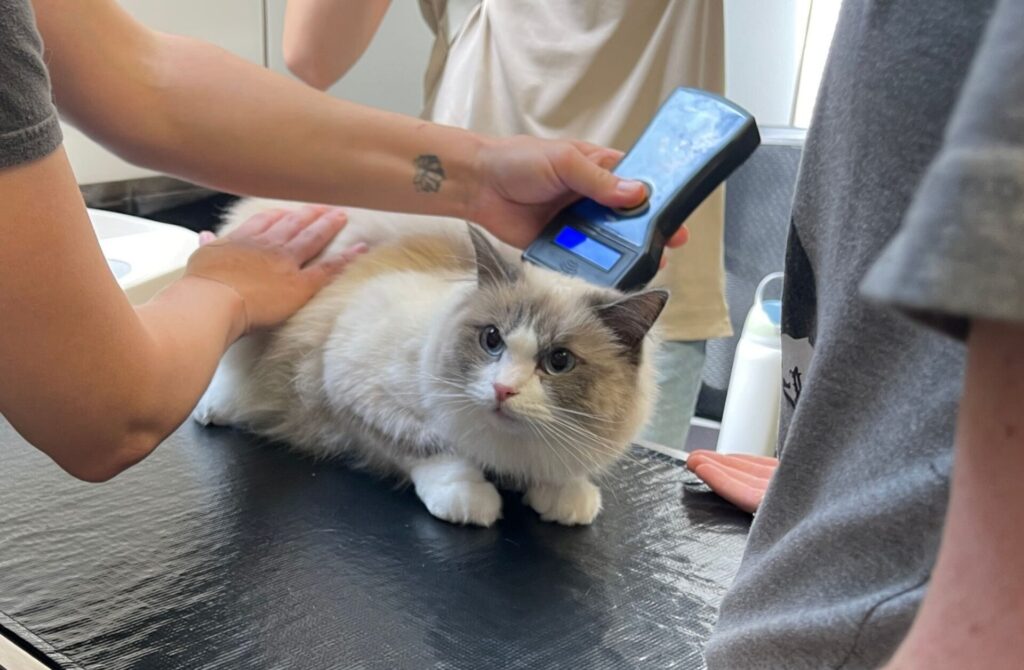
3. Continue Scanning and Verifying Registration
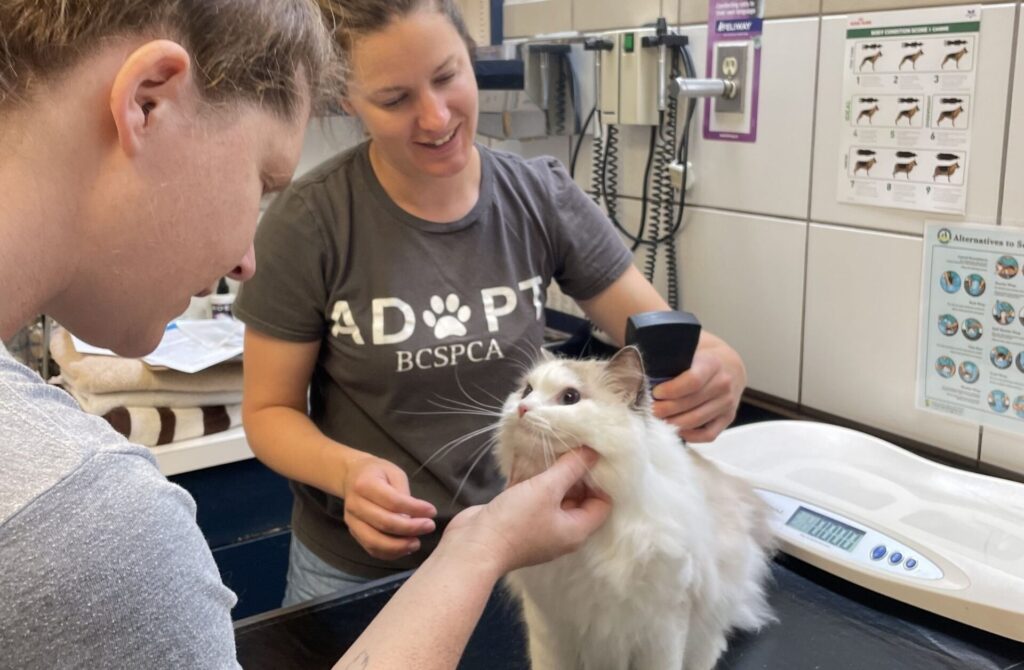
Finally, consistent scanning remains essential. During our community events, we found that approximately 1 in 5 microchipped pets are not registered. Therefore, clinics can help close this gap by verifying registration during routine visits.
Learning from Industry Leaders and Partners
The summit also created opportunities to connect with dedicated partners. For example, Fantastic Beasts Veterinary Services continues to support both clinical care and community outreach.
At the conference, Fantastic Beasts presented their “One Clinic, Three Missions” model. Their approach combines a full-service veterinary hospital, a dedicated rescue division, and “Pawsitive Care,” a low-income support program. Currently serving Parksville, Nanaimo, and a third location opening soon in Courtenay, their work demonstrates how inclusive care models can support both communities and clinics.
Coincidently, the BC Pet Registry operates under a comparable “One Clinic, Three Missions” model, designed to support animals, guardians, and the broader animal welfare community. Through standard microchip pricing for veterinary clinics, subsidized rates for rescue organizations, and a grant-funded program that donates free microchips to rescues with limited resources, the Registry ensures that identification remains accessible across sectors. As a result, this tiered approach strengthens responsible pet ownership, supports shelters in their lifesaving work, and helps ensure that animals have the best chance of being safely reunited with their families.
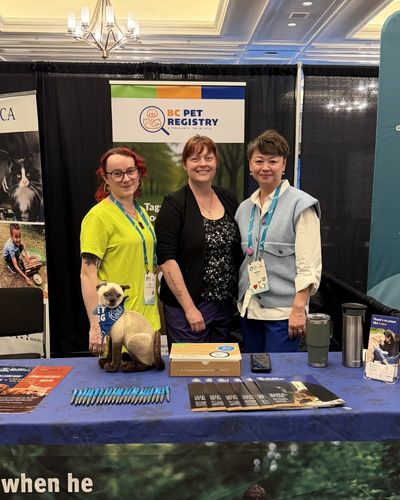
In addition, organizations like Itty Bitty Kitty Committee continue to strengthen local animal welfare efforts. Their presence at the conference reflects a commitment to ongoing learning. Through our partnership, we donate microchips so more cats can return home safely if lost.
The summit also brought together other valued partners making a difference in their communities. Organizations like Prince George Humane Society (PGHS), Surrey Animal Resource Centre (SARC), Rabbitats Rescue Society and Whistler Animals Galore (WAG) Animal Shelter attended to share their important work on animal welfare. Their dedication highlights the impact of community-driven care and education. In addition, their efforts align closely with our mission to improve pet identification across species.
If your pet requires a microchip or veterinary care, or if you are considering adoption, we encourage you to support our trusted partners.
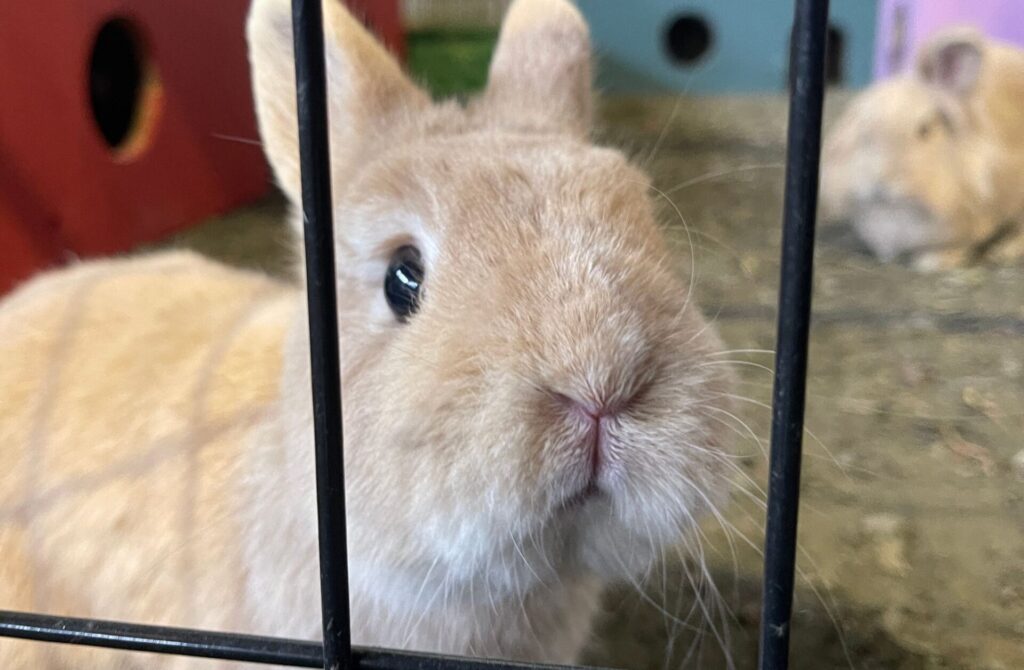
Did you know...that BC Pet Registry microchips can also be safely implanted in rabbits, helping even more animals have a better chance of returning home if they go missing?
Building a Stronger Future for Pet Identification
While no single solution will solve the veterinary access crisis, collective action can move the industry forward. Therefore, BC Pet Registry remains committed to working alongside veterinarians and community partners.
By choosing BC Pet Registry microchips, clinics can take part in a larger mission. Not only do they provide essential identification, but they also help expand programs that reduce barriers for pet guardians. Together, we can improve outcomes for animals across British Columbia.
Thank You to Humane Canada

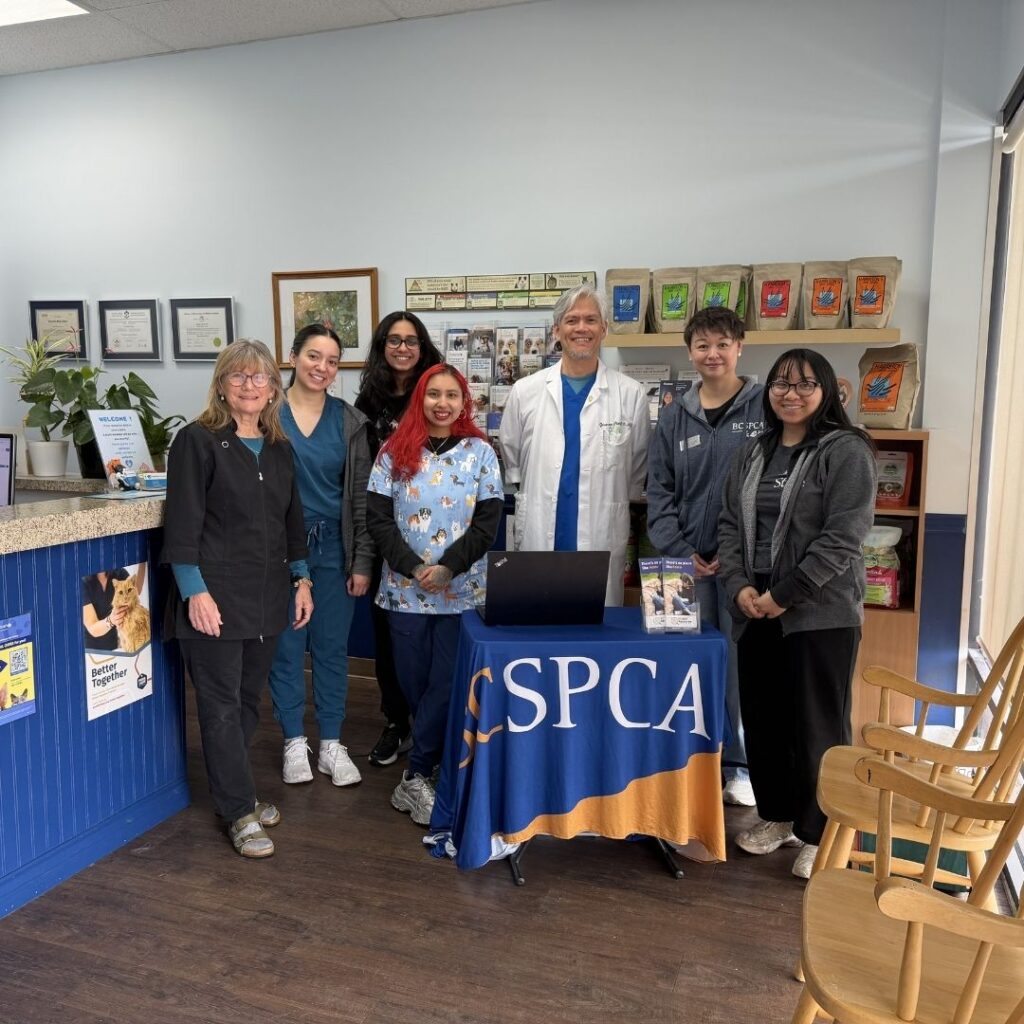
We extend our sincere thanks to Humane Canada for hosting the country’s largest and boldest animal welfare conference, bringing together over 520 attendees from the veterinary and animal welfare sectors across Canada. Events like this create valuable opportunities to share knowledge, strengthen collaboration, and work toward a common goal of improving outcomes for animals. We look forward to continuing these important conversations—save the date for the next Humane Canada’s Summit for Animals, taking place May 17–19, 2027 in Ottawa, Ontario.
Call to Action for Veterinary Clinics
If your clinic already offers microchipping, consider switching to BC Pet Registry microchips. This simple change allows you to provide essential identification while directly supporting animal welfare programs across British Columbia.
In addition, if you are interested in volunteering at a community microchip clinic, we would love to connect. Together, we can expand access and ensure more pets return home safely.
Connect with us by email at info@bcpetregistry.ca to learn more about how you can help.
FAQs
1. What are BC Pet Registry microchips?
BC Pet Registry microchips are permanent identification devices linked to a non-profit registry that supports animal welfare programs.
2. How do BC Pet Registry microchips support animal welfare?
They help fund microchip donations, subsidized programs, and community initiatives that improve pet identification across BC.
3. Why should veterinarians switch to BC Pet Registry microchips?
By switching to BC Pet Registry microchips, clinics continue offering microchipping while also contributing to programs that reduce barriers for pet guardians.
4. How can veterinary teams help improve microchip registration rates?
Teams can scan pets regularly and confirm that each microchip is properly registered and up to date.
5. What role do microchip clinics play in the community?
Microchip clinics reduce financial barriers and increase the number of pets with permanent identification, improving reunification outcomes.