
A missing pet is heartbreaking for any family. However, for many seniors, a pet may also be their closest companion. Every year, BC SPCA shelters care for thousands of lost animals. Some appear healthy, loved, and well cared for, yet nobody comes to claim them. Could some belong to seniors who simply don’t know where to look? This month, take a few minutes to help seniors protect their pets by checking that their microchip is registered and up to date.
Help Seniors Protect Their Pets: One Simple Check Could Bring Them Home
Do you know a senior who shares their life with a cat or dog?
For many seniors, pets provide companionship, routine, and comfort every day. They are family members, trusted friends, and often an important source of connection. Because of that bond, losing a pet can be devastating.
That is why we encourage our community to help seniors protect their pets before an emergency happens.
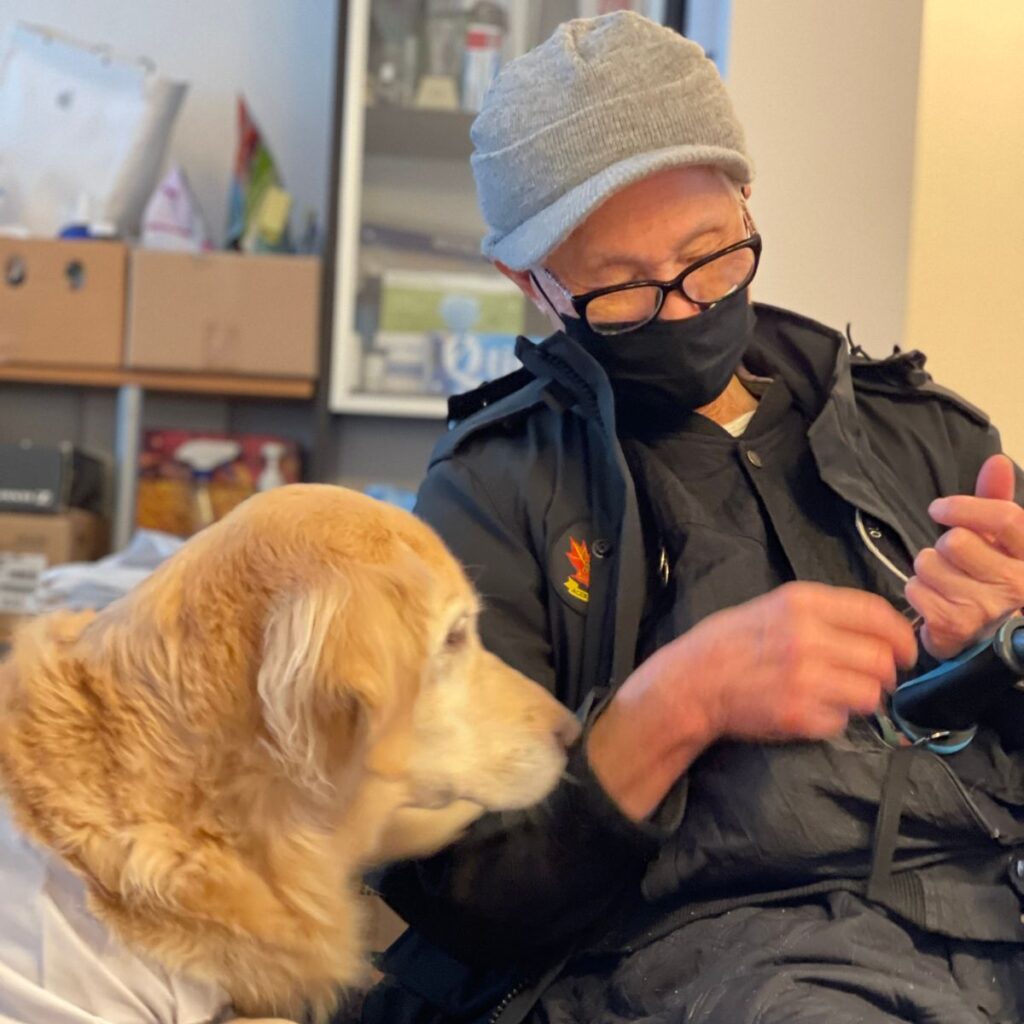
Today, social media plays a major role in helping reunite lost pets with their families. However, not every senior uses Facebook groups, community apps, or online lost-and-found pages. As a result, a missing pet can quickly become much harder to locate.
At BC SPCA shelters, staff regularly care for lost pets that appear healthy, loved, and well cared for—yet sometimes no one comes forward to claim them. While shelters use many methods to locate guardians, we often wonder whether some of these pets belong to senior members of the community who simply do not know where to start looking.
A Story That Still Stays With Us
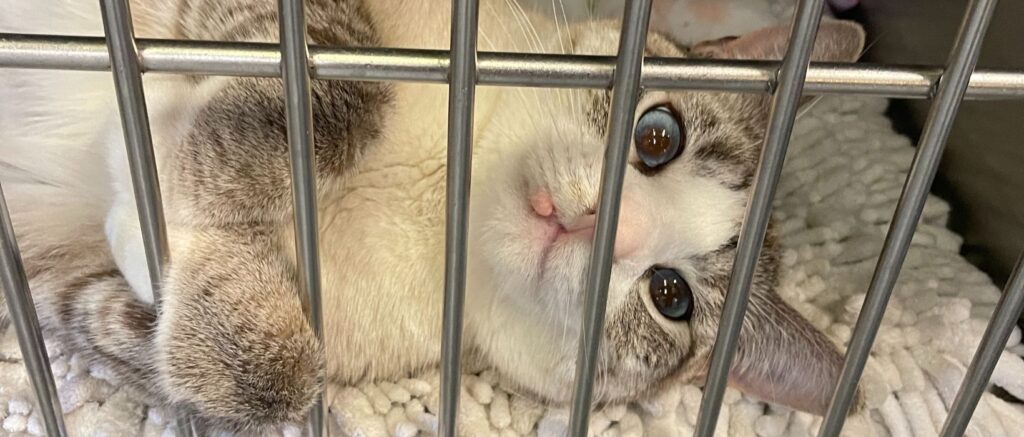
About a year ago, a cat named Georgia was found wandering in Vancouver’s Coal Harbour neighbourhood. He appeared healthy, loved, and well cared for, and he even had a microchip.
Unfortunately, the microchip was not registered, so shelter staff had no way to contact his family. Despite efforts to find his guardian, nobody came forward.
To this day, we still don’t know who Georgia belonged to. Despite sharing his story online and exhausting our available channels, nobody came forward to claim him.
Perhaps his family had moved. Perhaps they were looking in the wrong places. Or perhaps they never knew he had been found.
We can’t help but wonder whether Georgia belonged to a senior who wasn’t active online and didn’t have the resources to navigate social media lost-and-found groups. While Georgia eventually found a loving new home, imagine the heartbreak if his original guardian spent days, weeks, or even months waiting for him to return—never knowing he had been safe all along.

Why Microchip Registration Matters
A microchip is one of the most reliable forms of permanent identification. However, a microchip only works when the registration information is accurate.
In fact, approximately one in five pets has a microchip that is not registered. Consequently, shelter staff and veterinary clinics may find the microchip number but have no way to contact the family.
A registered microchip can provide a direct connection between a lost pet and its guardian. Therefore, taking a few minutes to verify registration can make a significant difference.
How You Can Help Seniors Protect Their Pets
If you know a senior pet guardian, consider reaching out and offering assistance.
First, ask whether their pet has a microchip. If they are unsure, a veterinary clinic can quickly scan the pet.
Next, help confirm that the microchip is registered. Many pet guardians assume registration happened automatically. However, that is not always the case.
Then, review the contact information connected to the registration. Phone numbers, addresses, and email addresses can change over time.
Finally, with the senior’s permission, discuss adding a trusted friend or family member as an emergency contact. If the guardian cannot be reached, an alternate contact may help reunite the pet more quickly.
A Small Act That Could Prevent Heartbreak
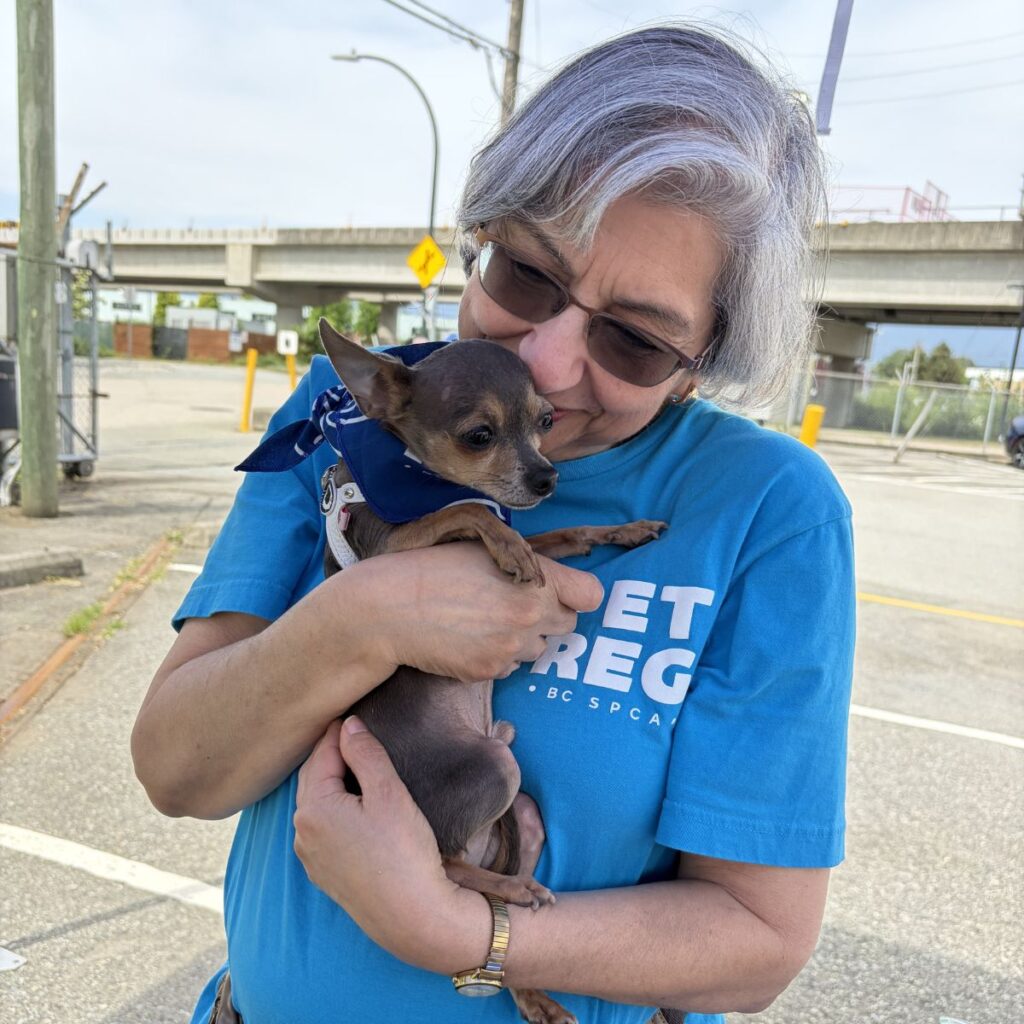
Many seniors depend on their pets for companionship. Likewise, many pets depend on their guardians for love and care.
Imagine discovering that a beloved pet was found, scanned, and safe all along, but nobody could reach the family because the registration information was missing or outdated.
Fortunately, this situation is preventable.
Today, take a few minutes to help seniors protect their pets. That simple conversation could save weeks of worry and uncertainty in the future.
Take Action Today
Do you know a senior who has a pet?
Reach out and offer to help. Check whether the pet has a microchip, confirm that it is registered, and make sure the contact information is current.
If your pet already has a microchip, log in today and verify that your registration information is accurate and up to date.
If the microchip is not registered yet, register it with BC Pet Registry. A few minutes now could make all the difference if a beloved companion ever goes missing.
FAQs
1. How do I know if a pet has a microchip?
A veterinary clinic, animal shelter, or animal control agency can scan the pet to check for a microchip.
2. Does a microchip automatically register itself?
No. A microchip must be registered with current contact information to help reunite lost pets with their families.
3. Why should seniors update their pet’s microchip registration?
Phone numbers, addresses, and emergency contacts often change. Updated information improves the chances of a successful reunion.
4. Can someone be added as an emergency contact?
Yes. The BC Pet Registry allows additional contacts (e.g. co-owner or an emergency contact) who can be reached if the primary guardian is unavailable.
5. What happens if a pet’s microchip is not registered?
Shelters and veterinary clinics may find the microchip number but have no way to identify or contact the pet’s family.