
It usually starts with something simple.
A weekend trip. A family emergency. A long-awaited vacation.
You make arrangements. A trusted friend. A neighbour. Maybe a professional sitter.
You leave food instructions. A feeding schedule. A favorite toy.
And then you walk out the door, hoping everything goes smoothly.
Most of the time, it does.
But when something unexpected happens, a door left open, a loud noise, a moment of confusion, the difference between panic and a safe return often comes down to preparation.
This is the pet sitting safety checklist most pet guardians do not realize they need.
Table of Contents
Why Pet Sitting Comes With Hidden Risks
Even in the best situations, your pet is outside their normal routine.
They may feel:
- Anxious in your absence
- Confused by a different caregiver
- More reactive to sounds or unfamiliar situations
And your sitter, no matter how caring, does not know your pet the way you do.
This is when small gaps in preparation can turn into big problems.
A missed detail can delay help.
A missing contact can slow a reunion.
The goal is not to expect the worst.
It is to be ready for it.
The Essential Pet Sitting Safety Checklist
Before you leave, take time to go through this list. It takes minutes, but it can make all the difference.
1. Confirm Your Pet’s Identification Is Up to Date
This is the most important step.
If your pet is microchipped, make sure:
- Your phone number is current
- Your address is correct
- A backup contact is listed
If something happens while you are away and your pet is found, a shelter or veterinary clinic will try to contact you.
But what if you are unreachable?
That is where a backup contact becomes critical.
You can register or update your pet’s information here:
https://bcpetregistry.ca/register/
2. Choose the Right Backup Contact
A backup contact should be:
- Someone local
- Someone who can answer their phone
- Someone authorized to make decisions if needed
This could be a friend, neighbour, or family member.
Make sure your sitter knows who this person is.
3. Leave Clear, Written Instructions
Even if your sitter knows your pet, do not rely on memory.
Write down:
- Feeding schedule
- Medication instructions
- Behaviour notes
- Triggers or fears
- Emergency procedures
Keep it simple and easy to follow.
Clarity reduces stress for both your pet and your sitter.
4. Share Veterinary and Emergency Information
Provide your sitter with:
- Your regular veterinary clinic
- Emergency veterinary clinic nearby
- Your pet’s medical history if relevant
If something urgent happens, your sitter should not have to search for this information.
5. Secure the Environment
Before leaving, walk through your home as if you were your pet.
Check for:
- Loose gates or fences
- Open windows
- Easy escape routes
- Hazardous items within reach
Most escape incidents happen in familiar places.
A quick check can prevent them.
6. Keep Recent Photos of Your Pet
Store clear, recent photos that show:
- Unique markings
- Coat patterns
- Size and appearance
If your pet goes missing, these photos are essential for posters, social media, or sharing with shelters.
7. Introduce Your Pet and Sitter Properly
Whenever possible:
- Let your pet spend time with the sitter before you leave
- Allow them to build familiarity
- Walk through routines together
A comfortable pet is less likely to panic or behave unpredictably.
Community Support Matters More Than You Think
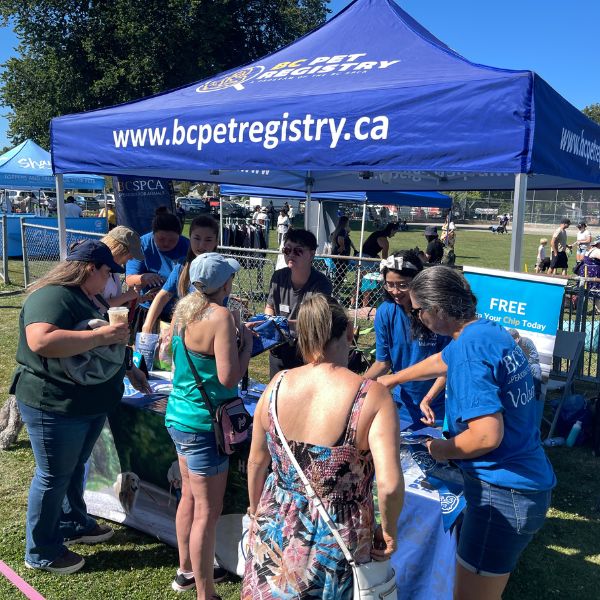
Pet safety is not just about what happens inside your home. It is also about the community around you.
Across BC, events like local microchip clinics help guardians check their pet’s identification, update contact details, and close gaps they did not know existed.
At a recent community clinic in Surrey, pets were scanned and supported through education and registration updates. These events help ensure that when a pet is found, the right information is already in place.
You can read more about that event here:
👉 https://bcpetregistry.ca/stories/community-news/surrey-microchip-clinic-bcspca-king-george-vet-community/
Moments like these are a reminder that keeping pets safe is something we do together.
What Happens If Something Goes Wrong?
It is not something anyone wants to think about.
But it is something worth preparing for.
If your pet gets out while you are away:
- Your sitter should know who to call
- Your backup contact should be ready to step in
- Your microchip information should lead back to someone who can act
This is where everything connects.
Preparation. Identification. Communication.
Together, they create a safety net.
The Most Overlooked Step
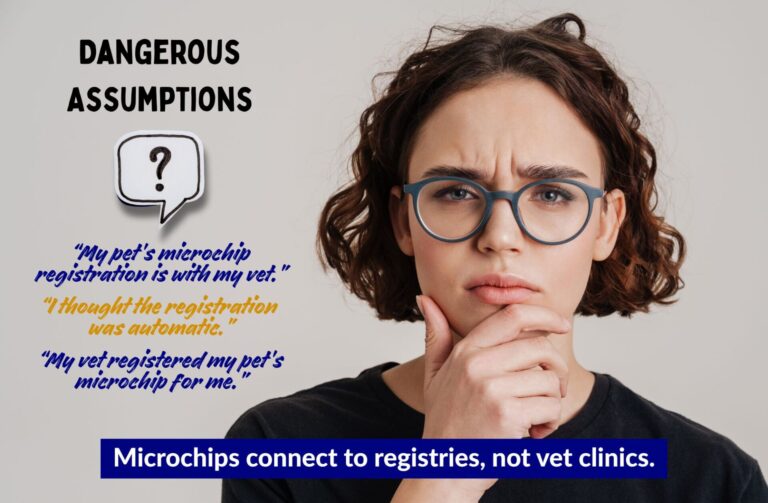
Many pet guardians assume that microchipping alone is enough.
But here is the truth.
A microchip only works if:
- It is registered
- The information is current
- Someone is available to answer the call
This is especially important when you are traveling.
If a shelter calls and cannot reach you, the next number they try could make all the difference. If you are already registered with the BC Pet Registry, please make sure to update to your latest contact details when it changes by logging in.
Practical Takeaways
Before leaving your pet with someone else:
- Confirm your microchip registration is current
- Add a reliable backup contact
- Leave clear written care instructions
- Share veterinary and emergency details
- Secure your home against escape risks
- Keep updated photos of your pet
Small steps create strong protection.
Be a Part of the 80% Responsible Owners
During our recent events, we scanned hundreds of pets, all with microchips implanted. Only to discover that approximately 20% of the pets’ microchips are not linked to any registries in North America. We recommend all pet owners to double check their pet’s registration and directly registering with us. All you need is the microchip number and/or tattoo code to start the online registration process. For a small, one-time fee of $45, your pet will be protected for a lifetime and you will also have contributed to the life-saving work of the BC SPCA.
The Bottom Line
Leaving your pet behind, even temporarily, is never easy.
You trust someone else with something that matters deeply.
And most of the time, everything goes exactly as planned.
But preparation is what protects you when it does not.
A door opens. A moment passes. A pet slips out.
And suddenly, everything depends on whether the right person can be reached.
Take a few minutes before your next trip to make sure your pet’s information is complete, current, and ready to work when it matters most.
Because the best kind of peace of mind is the kind you prepare in advance.
FAQ
Q: What should I leave with a pet sitter?
Provide feeding instructions, medical details, your vet’s contact information, emergency contacts, and your pet’s routine.
Q: Should I update my pet’s microchip before traveling?
Yes. Always confirm your contact details are current and add a backup contact in case you are unreachable.
Q: What happens if my pet is found while I am away?
A shelter or veterinary clinic will scan the microchip and attempt to contact the registered owner or backup contact.
Q: Can a pet sitter take my pet to the vet in an emergency?
Yes, but you should authorize this in advance and provide clear instructions and contact details.
Q: Where can I update my pet’s microchip information in BC?
You can update or register your pet’s details at:
https://bcpetregistry.ca/register/