
Summer is peak moving season, and it only takes one open door, one loud noise, or one moment of confusion for a pet to slip away. If you’re moving with pets, don’t wait until moving day to think about safety. Before the boxes pile up and the doors start opening, check your pet’s microchip registration, update your contact information, keep visible ID on at all times, and prepare your new home for a safe transition.
Moving With Pets? The One Thing to Check Before a Busy Moving Day Turns Into a Missing Pet Emergency

Summer is one of the busiest times of year for moving with pets. It’s also one of the easiest times for a dog or cat to disappear. A front door gets propped open. Movers go in and out. Windows stay open to clear the air. Your pet hears unfamiliar voices, smells the chaos, panics, and slips away before anyone notices. The worst part? Many pet owners only discover their pet’s microchip information is outdated after their pet goes missing.
At BC Pet Registry, a program of the BC SPCA, we know how hard reunions can be when a pet has no traceable identification. Every year, thousands of lost cats and dogs come through BC SPCA shelters. Many are never reunited with their families. In many cases, the problem isn’t that the pet doesn’t have a microchip. It’s that the chip isn’t registered, the contact information is outdated, or the pet isn’t wearing visible ID when they’re found.
If you’re moving with pets this summer, the most important thing to do before moving day is simple: make sure your pet can be traced back to you quickly.

Before moving with pets, check your microchip registration first
Before you pack the first box, confirm that your pet’s microchip is registered and linked to your current contact information. If you’re moving with pets, this is not something to leave until later.
A microchip only helps if the registration leads to you. If the phone number is old, the email is no longer active, or the address still points to your previous home, your pet’s chip may not help when it matters most. If your pet doesn’t already have a microchip, talk to your veterinarian about getting one before the move. A microchip is one of the most reliable forms of permanent identification because collars can break and tags can fall off.
Before moving day, make sure your registration includes:
- your current mobile number
- a working email address
- your new address, if you already know it
- an emergency contact who can reach you
- up-to-date pet details, including species, breed, colour, and sex
This is the first step we recommend for anyone moving with pets, because a move can create the exact kind of confusion that leads to a lost pet.

Visible ID matters too, especially during a move
A microchip is essential, but it should not be your pet’s only identification on moving day. Your dog or cat should also wear visible ID at all times.
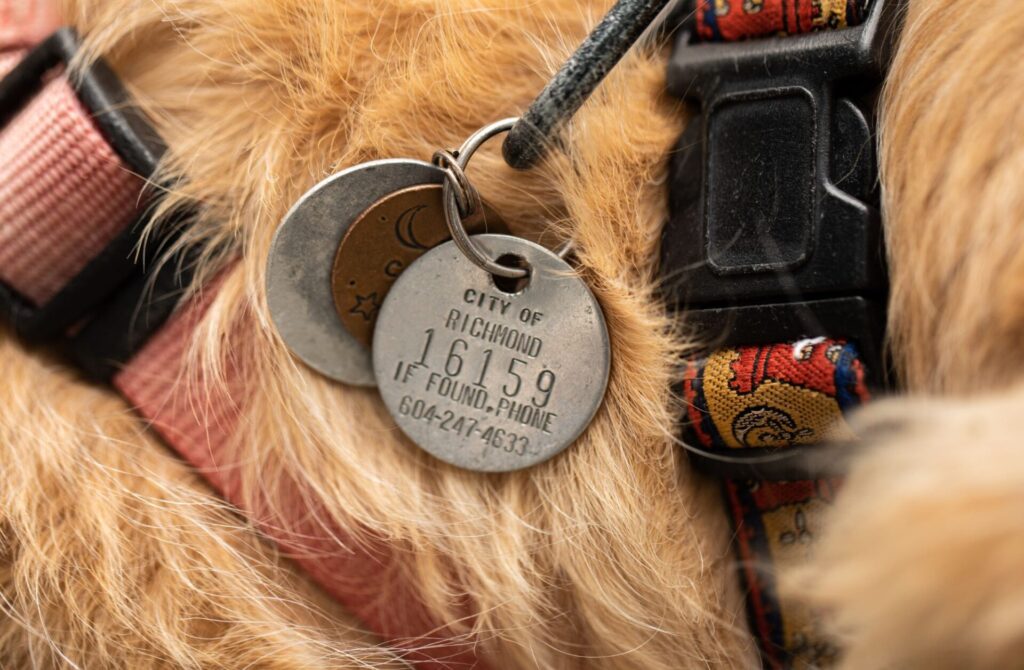
That means a collar with a current ID tag, even if your pet is normally indoors. If your cat wears a collar, make sure it fits properly and includes your current phone number. If your dog wears a tag, check that the number is still correct and easy to read.
Why does this matter? Because the person who finds your pet may not be a shelter, veterinary clinic, or animal control officer. It could be a neighbour, a mover, or someone walking by your new home. Visible ID gives them a fast way to contact you without waiting for a microchip scan.
Why moving day is such a high-risk time for pets
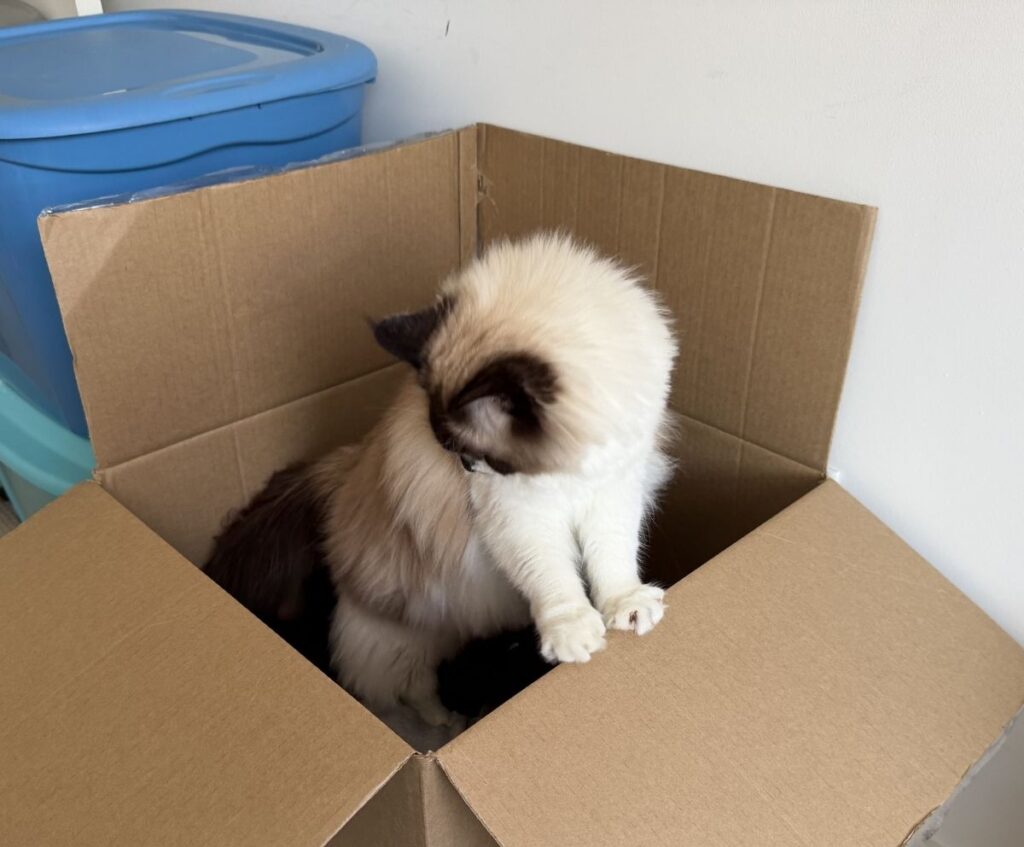
When people think about moving with pets, they often focus on boxes, transportation, and settling in. What gets missed is how overwhelming moving day can feel for animals.
Dogs and cats rely on routine and familiar territory. Suddenly, the home smells different. Furniture disappears. Doors stay open. People come and go. The noise is constant. Even calm pets can become anxious and unpredictable in that environment.
Here’s what can go wrong in a matter of minutes:
- a cat hides in boxes or behind the fridge in the new home
- a dog bolts through an open front door while movers unload
- a scared pet slips out through a garage, patio, or balcony door
- a pet escapes during a bathroom break in an unfamiliar neighbourhood
- a lost pet is found, but the microchip information still points to your old address
That is why moving with pets requires more than packing food bowls and a bed. It requires a safety plan.
Keep your pet away from the chaos on moving day
One of the best ways to reduce risk while moving with pets is to keep your pet out of the moving traffic entirely.
If possible, ask a trusted friend, family member, pet sitter, or boarding facility to care for your pet on moving day. This can reduce stress for your pet and remove the risk of them slipping out while doors are open. It also gives you one less thing to worry about while coordinating movers, keys, elevators, and boxes.
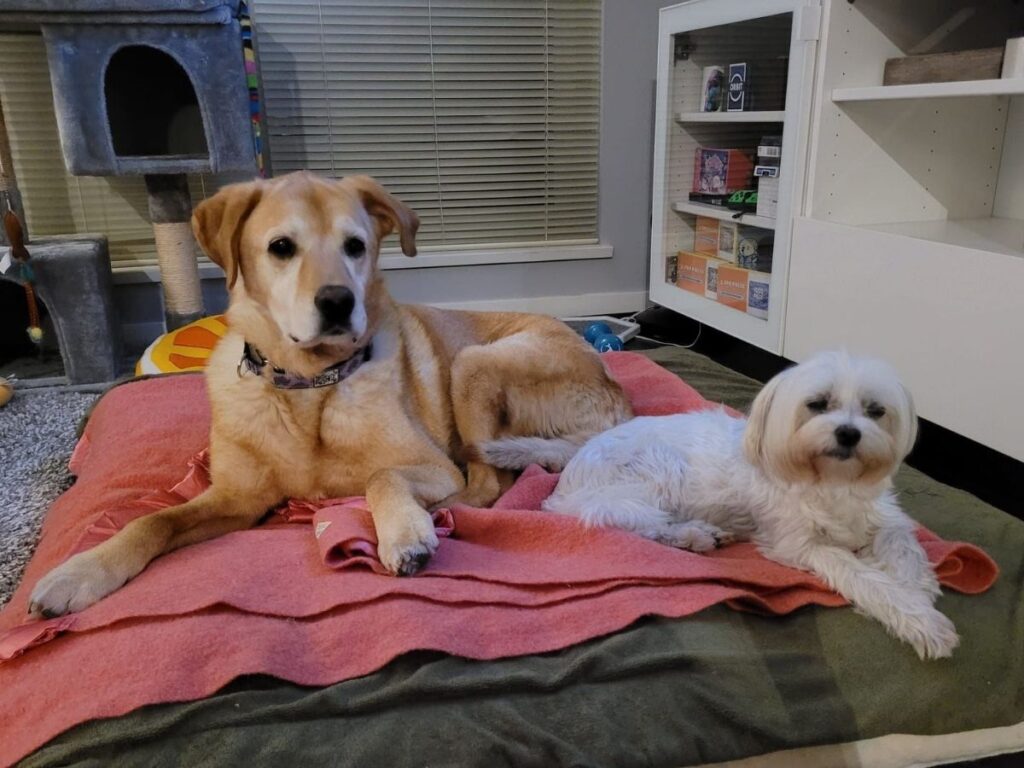
If a pet sitter isn’t an option, set up a secure room in your old home and another one in your new home. Keep your pet inside with the door closed before movers arrive. Put a note on the door so nobody opens it by mistake.
Include:
- food and water
- litter box for cats
- bed or blanket
- favourite toy
- leash or carrier ready to go
- current ID on your pet
Pet-proof your new home before your pet explores it
When you arrive at your new place, don’t assume it’s safe just because it looks clean and quiet. A new home can hide escape routes and hazards that your pet will find long before you do.
Before letting your pet roam, inspect the space carefully. Check window screens, balcony access, torn screen doors, loose fence panels, and gaps under gates. Look behind major appliances like the fridge, washer, dryer, and stove. Cats in particular can squeeze into surprisingly small spaces when frightened.
If you’re moving with pets, do a full walk-through with your pet’s safety in mind. Ask yourself:
- Can my cat push through this screen?
- Is there a gap behind this appliance?
- Could my dog squeeze through this gate?
- Is there a door that doesn’t latch properly?
- Are there toxic plants, cords, or cleaning products within reach?
The first few days in a new home are when many pets test boundaries, hide, or try to return to familiar territory. A little preparation now can prevent a frantic search later.
Help your pet settle in slowly

Moving with pets doesn’t end when the last box comes inside. Your pet still needs time to understand that this new place is home.
It’s also smart to introduce yourself to nearby neighbours. Let them know you’ve just moved in and that you have a dog or cat. If your pet slips out, neighbours who know what your pet looks like can help quickly. If you didn’t move far from your old neighbourhood, let former neighbours know you’ve moved as well. Some pets, especially cats and determined dogs, have been known to try to return to familiar areas.
Your moving-with-pets checklist: the 3 non-negotiables
If you do nothing else before moving day, do these three things:
1) Check your pet’s microchip registration
Make sure your contact details are current and traceable. If your pet is microchipped but not registered, register the chip before you move. If your pet doesn’t have a microchip, book an appointment to get one.
2) Keep visible ID on your pet at all times
Your pet should wear a collar and current ID tag during the move, during transport, and while settling into the new home.
3) Create a plan to prevent escape
Use a pet sitter if possible. If not, use a secure room, leash your dog carefully, consider double leashing, and pet-proof the new home before exploring.
Don’t wait until your pet goes missing to discover a registration problem
The worst time to find out your pet’s information is outdated is after they’ve slipped out during a move. By then, every missed call, wrong phone number, and old address becomes a barrier between you and your pet.
If you’re moving with pets this summer, take a few minutes now to check your pet’s microchip registration before the boxes pile up and the doors start opening. It’s one of the simplest steps you can take to protect your pet during a stressful transition, and it could make all the difference if the unexpected happens.
FAQs
1) Should I update my pet’s microchip before or after I move?
Before, if possible. If you already know your new address and phone details, update your pet’s microchip registration before moving day. That way, if your pet escapes during the move, the contact information is already current.
2) Is a microchip enough when moving with pets?
No. A microchip is one of the best forms of permanent ID, but your pet should also wear visible identification during a move. A collar and current ID tag can help someone contact you immediately, even before a microchip is scanned.
3) What if my pet already has a microchip?
Still check the registration. Many pet owners assume the chip is fully set up, but some microchips are never registered or still contain old phone numbers, email addresses, or addresses. The chip only helps if the registration leads back to you.
4) How can I keep my pet safe on moving day?
Keep your pet away from the moving traffic if you can. A pet sitter, trusted friend, or boarding arrangement can reduce stress and prevent escapes. If that’s not possible, use a closed safe room, keep visible ID on your pet, and use a secure leash or harness when needed.
5) Why do pets go missing during a move?
Moving creates noise, stress, unfamiliar smells, and lots of open doors. Even calm pets can panic in that environment. Dogs may bolt through an open entryway, and cats may hide or slip out unnoticed. That’s why moving day is one of the riskiest times for pet escapes.