
Pet-friendly housing in BC is hard to find, and competition for rentals that allow pets can be intense. This guide explains how to stand out as a prepared, responsible pet owner by building a pet resume, keeping your pet’s microchip registered, carrying visual ID, organizing training records and creating an emergency plan before you move.
Pet-Friendly Housing in BC: How Responsible Pet Owners Can Stand Out
Pet-friendly housing in BC is hard to find. For renters with dogs and cats, the challenge can feel even bigger. When a rental allows pets, you are not only competing with other applicants. You are also competing with every concern a housing provider may have about noise, damage, safety and reliability. That is why it helps to show, from the start, that you are a prepared and responsible pet owner.
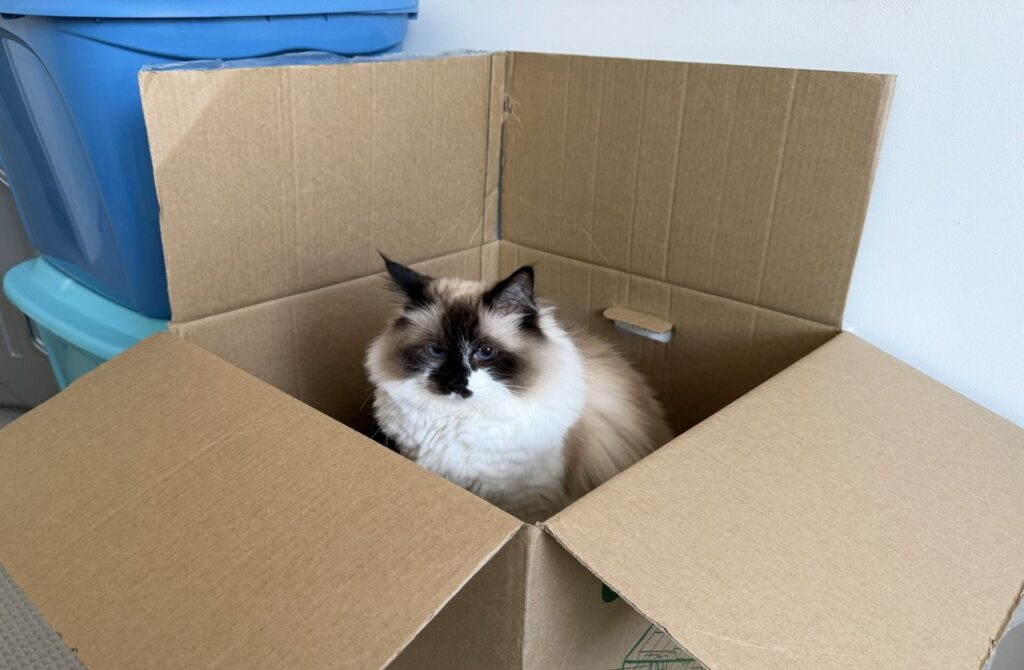
At the BC Pet Registry, a program of the BC SPCA, we believe responsible pet ownership includes more than food, walks and vet visits. It also means being ready for the moments that put your pet at risk, including moving. If you are searching for pet-friendly housing in BC, your pet should not show up as an afterthought. Your pet should come with proof that they are identified, cared for, trained and prepared for emergencies.
Why pet-friendly housing in BC feels so competitive
The housing crisis in British Columbia is a crisis for pets, too. The BC SPCA sees the impact firsthand. Since 2014, more than 12,400 pets have come into BC SPCA care for housing-related reasons. In a 2025 poll conducted for the BC SPCA, 27% of British Columbians said they had difficulty finding housing that accepts pets, while another 24% said pet restrictions prevented them from having a pet at all. More than half of British Columbians have pets, yet pet-friendly options remain limited.
That means every pet-friendly listing can attract a long line of hopeful renters. If you want to improve your chances, do not wait until someone asks whether you are a responsible pet owner. Show them before they need to ask.
What responsible pet ownership looks like when you are renting

If you are applying for pet-friendly housing in BC, think of your application as a package. You are not just telling someone that your dog or cat is “good.” You are showing that your pet is identifiable, cared for, managed and included in your planning.
A strong rental-ready pet package should include:
- your pet’s registered microchip information
- visible ID, such as a collar tag
- your BC Pet Registry Certificate of Registration
- vaccination and veterinary records
- training certificates or behaviour class records
- references, if available
- an emergency plan and emergency kit
- a pet resume
1) Register your pet’s microchip and keep visual ID on them
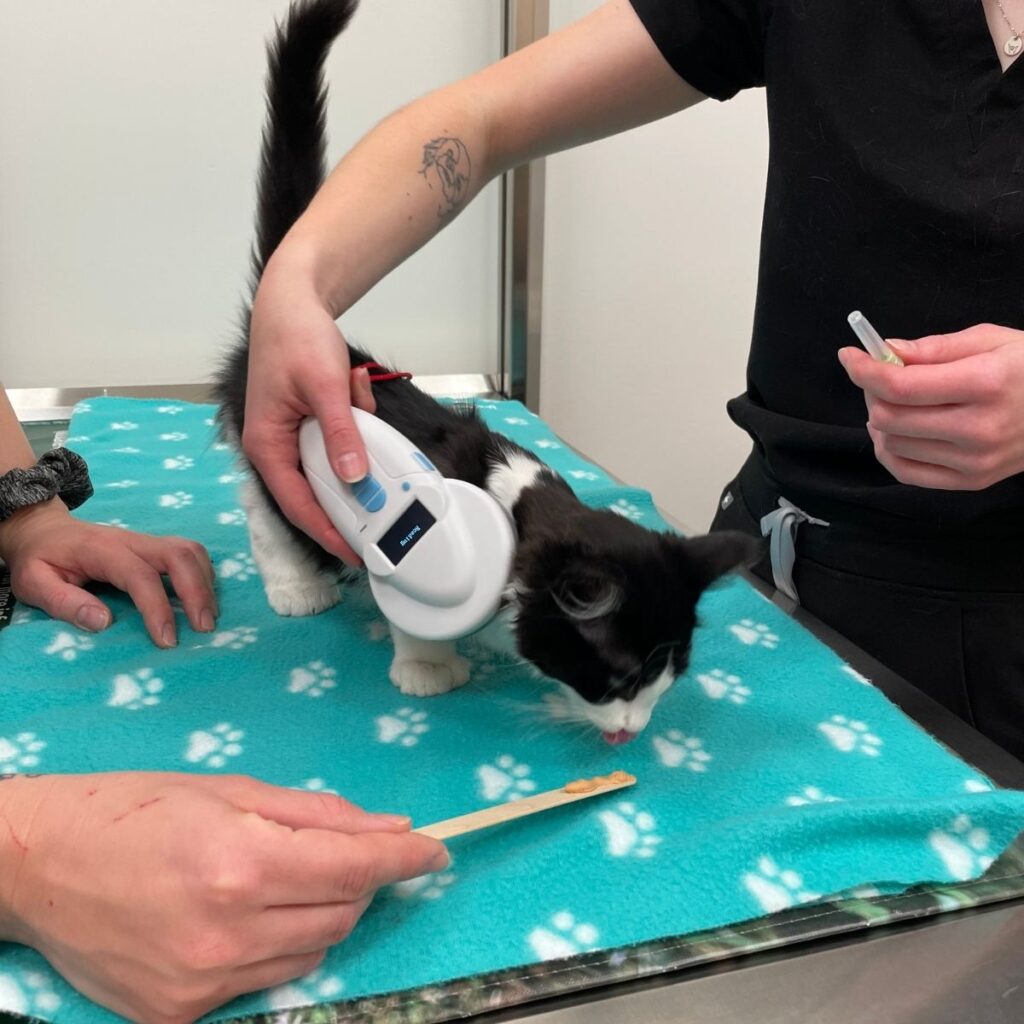
A microchip can only help if it is properly registered and linked to your current contact information. This matters all the time, but it matters even more during a move.
Moving is disruptive. Doors stay open longer. Carriers get jostled. Cats hide, then bolt. Dogs slip leashes in unfamiliar places. If your pet goes missing during a move, you need every possible layer of identification working in your favour. That means a registered microchip and visible ID, such as a tag with your current phone number.
If you are trying to secure pet-friendly housing in BC, this also shows that you take responsibility seriously. A microchip linked to BC Pet Registry and a collar tag tell a simple story: if your pet gets loose, you have already done the work to make a reunion easier.
For more resources on moving with pets, read this blog: Moving with pets: The moving-day mistake that could leave your pet missing
2) Bring proof: your BC Pet Registry Certificate of Registration

If your pet’s microchip is registered with BC Pet Registry, download and keep your Certificate of Registration. It is a simple document, but it can strengthen your rental package.
Your certificate shows that your pet’s permanent ID is not just implanted. It is registered and connected to you. That distinction matters. Many pet owners assume a microchip alone is enough. It is not. If the registration is missing or outdated, a chip may not lead back to the right person when it matters most.
Including your Certificate of Registration in your pet package helps you stand out from other renters. It shows you are organized, proactive and prepared. In a competitive search for pet-friendly housing in BC, those details can help set you apart.
3) Build a pet resume before you start applying
A pet resume helps you present your dog or cat as a real part of your household, not a question mark. It also helps you gather everything in one place before a rental opportunity appears.
Your pet resume can include:
- your pet’s name, age, breed or mix, weight and photo
- whether they are spayed or neutered
- vaccination status
- microchip number and confirmation that it is registered
- licence information, if applicable
- training classes completed
- daily routine, exercise habits and temperament
- grooming routine and flea prevention
- references from previous housing, pet sitters, trainers or veterinarians
The BC SPCA’s pet-friendly housing resources already include a pet resume template for renters, which can help you get started.
4) Include training certificates and behaviour records

Training records can help reassure anyone reviewing your application that you take your pet’s behaviour seriously. This is especially useful if you have a dog, but it can also apply to cats if you have worked on carrier comfort, handling, leash training or other routines.
Include certificates for obedience classes, puppy classes or behaviour support you have completed. If your dog has worked with an AnimalKind-accredited trainer, include that too. AnimalKind is the BC SPCA’s accreditation program for animal-related businesses that meet high animal welfare standards, including dog trainers who use science-based, humane methods.
If you do not have formal certificates, include a short note explaining the routines your pet already knows. For example: crate trained, comfortable being left alone for short periods, responds to cues, or has a regular walking schedule.
This section is not about pretending your pet is perfect. It is about showing that you invest time in prevention, structure and responsible care.
5) Prepare an emergency plan before you move
Responsible pet ownership also means being ready for emergencies. If you are moving into a new home, that preparation matters even more because your pet is entering an unfamiliar environment.
Your emergency plan should cover:
- who will take your pet if you have to evacuate
- where your pet will stay if your move is delayed
- how you will transport your pet safely
- where you will keep your pet during loading and unloading
- what happens if your pet slips out during the move
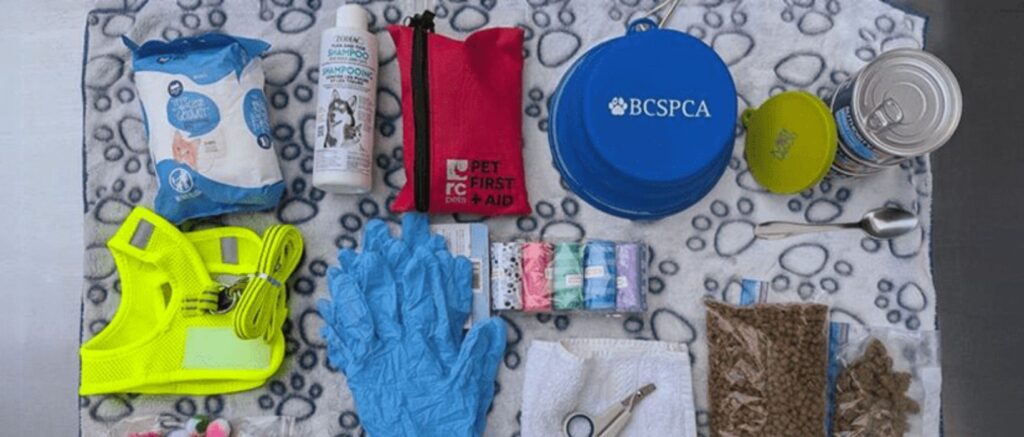
You should also pack a pet emergency kit with:
- food and water
- medications
- bowls
- leash, harness or carrier
- litter and litter tray for cats
- comfort items such as a blanket or toy
- copies of veterinary and registration records
- recent photos of your pet
When you are competing for pet-friendly housing in BC, being able to show that you plan for emergencies reinforces the same message as the rest of your package: you are prepared.
6) Do not leave your pet’s records scattered across emails and drawers
One of the easiest ways to look unprepared is to scramble for documents after you find a listing. Build a digital folder now. Save your pet’s registration certificate, training records, vaccination documents, licence details and resume in one place. Keep printed copies in a folder you can bring to viewings or attach to applications.
This matters for your search, but it also matters if your pet goes missing during the stress of a move. The worst time to realize your microchip registration is incomplete, your address is outdated or your paperwork is impossible to find is after your pet has slipped out the door.
Your rental-ready pet checklist
Before you apply for pet-friendly housing in BC, make sure you have:
- A registered microchip with current contact information
- A collar tag with up-to-date contact details
- Your BC Pet Registry Certificate of Registration
- Vaccination and veterinary records
- Training certificates or behaviour notes
- Records from an AnimalKind-accredited trainer, if applicable
- A completed pet resume with photo
- References from a trainer, sitter, vet or previous housing, if available
- A pet emergency plan
- A pet emergency kit
- A digital folder with all pet documents ready to send
Stand out by being ready before the listing appears

Pet-friendly housing in BC is limited, and that reality is forcing too many people into impossible choices. The BC SPCA continues to advocate for a province where people are not pushed to choose between a safe place to live and the pet they love. In the meantime, preparation matters.
If you are searching for pet-friendly housing in BC, do not wait until the perfect listing appears to get organized. Register your pet’s microchip, update their information, download your Certificate of Registration and build your pet’s resume now. Those steps will not solve BC’s housing crisis, but they can help you stand out as the kind of responsible pet owner who is ready, prepared and serious about keeping your family together.
Register your pet’s microchip and download your Certificate of Registration today with BC Pet Registry.
FAQs
1) What should I include in a pet resume for a rental application?
A strong pet resume helps you show that your dog or cat is a well-managed part of your household. Include your pet’s name, age, breed or mix, weight, photo, spay or neuter status, vaccination status, licence information if applicable, and microchip number with confirmation that it is registered. You can also add training history, daily routine, exercise habits, temperament notes, grooming habits and references from previous housing providers, pet sitters, trainers or veterinarians. The goal is to show that you are organized, responsible and ready to care for your pet in a rental home.
2) How can a microchip help when I’m moving to a new rental?
Moves are one of the riskiest times for pets. Doors stay open, routines change and unfamiliar surroundings can make dogs and cats more likely to slip out or panic. A microchip gives your pet a permanent form of identification, but it only works if it is properly registered and linked to your current contact information. When you register your pet’s microchip and keep your details up to date, you improve the chances that a shelter or veterinary clinic can contact you quickly if your pet goes missing during the move.
3) Why should I bring my pet’s Certificate of Registration to a rental viewing?
Your Certificate of Registration shows that your pet’s microchip is not just implanted but actually registered to you. That distinction matters. Many pets have microchips, but not all of them are properly registered or kept up to date. Bringing your BC Pet Registry Certificate of Registration helps show that you are prepared, organized and serious about responsible pet ownership. It also gives you one more piece of documentation to include in your pet package or pet resume.
4) What emergency supplies should I prepare before moving with a pet?
Your pet emergency kit should include food, water, medications, bowls, a leash or harness for dogs, a secure carrier, litter and litter tray for cats, comfort items like a blanket or toy, copies of veterinary and registration records, and recent photos of your pet. It also helps to keep a backup contact list and any special care instructions in the kit. If your move is delayed or your pet has to stay somewhere temporarily, having these supplies ready can reduce stress and help you respond quickly.
5) Can training records really help me stand out when renting with pets in BC?
Yes. Training records can help show that you invest time in your pet’s behaviour, routine and welfare. For dogs, this could include puppy classes, obedience training or work with an AnimalKind-accredited trainer. For cats, it might include behaviour support, carrier training or other routines that make them easier to manage during moves and vet visits. Training records will not guarantee housing, but they can strengthen your application by showing that you are a proactive and responsible pet owner.