
Moving to Canada with a pet involves more than travel paperwork and vaccinations. Many immigrants and newcomers arrive with pets that already have microchips implanted. However, many do not realize those microchips may not be searchable in North America. This guide explains why pet microchip registration in BC for immigrants matters, why overseas registration may not be enough, and how registering with a trusted AAHA partner registry like BC Pet Registry helps protect your pet in Canada.
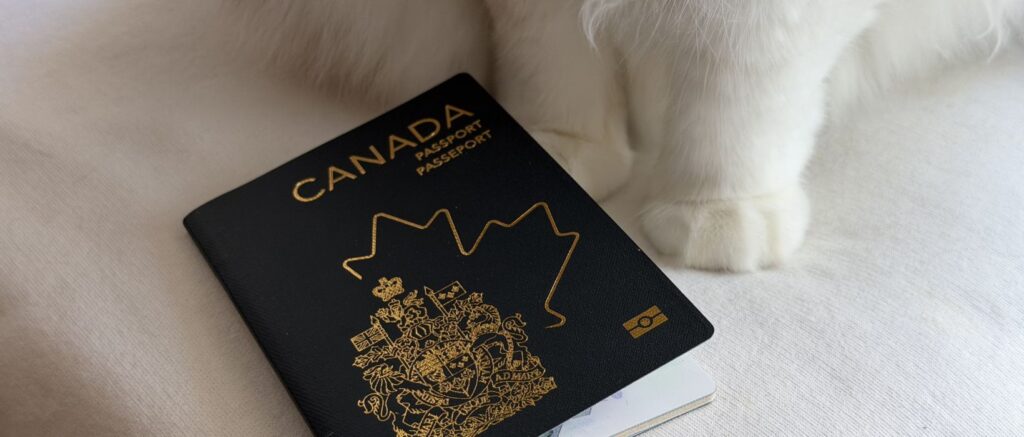
Pet Microchip Registration in BC for Immigrants: What Newcomers to Canada Should Know
If you recently moved to Canada with a pet, understanding pet microchip registration in BC for immigrants is essential for your pet’s safety. Many newcomers to Canada assume their pet’s overseas microchip registration automatically works here. However, this is often not the case.
Most cats and dogs entering Canada already have a microchip implanted. In fact, microchipping is standard practice in many countries. However, many international pet owners forget an important final step after relocating.
They need to ensure the microchip is registered with a trusted North American-accessible registry.

As a result, many pets in Canada remain difficult to trace despite already having a microchip.
Why pet microchip registration in BC for immigrants matters
A microchip only works if the registration information is accessible and current.
Many immigrants moving to Canada with pets believe their overseas registration fully protects their animal. Unfortunately, this creates a real risk of delayed or failed reunification.
If a lost pet arrives at a shelter in British Columbia, staff will immediately scan for a microchip. However, the microchip number alone does not indicate the pet’s home country.
As a result, even if your pet is registered in your home country, many overseas registries are not indexed in the North American lookup systems used by shelters and veterinary clinics. This gap can significantly hinder the pet recovery process.
In addition, time zone differences, language barriers, and outdated overseas contact information may delay reunification efforts when every minute matters.
Because of this, pet microchip registration in BC becomes one of the most important safety steps after arrival.
Do newcomers to Canada need to register their pet again?
Yes. Registering your pet again in Canada is strongly recommended.
Many newcomers ask this question because they already completed registration overseas. However, overseas databases may not connect efficiently with North American recovery systems.
Therefore, shelters and veterinary clinics may struggle to access your information quickly.
By registering with a trusted AAHA partner registry such as BC Pet Registry, your pet’s microchip becomes more searchable within North America. BC Pet Registry is a partner with the AAHA (American Animal Hospital Association) Universal Pet Microchip Lookup Tool.
In addition, local registration helps ensure your Canadian phone number, address, and emergency contacts remain current.
This is especially important for immigrants who recently changed countries, phone providers, or addresses.

What newcomers to Canada should know about collar tags
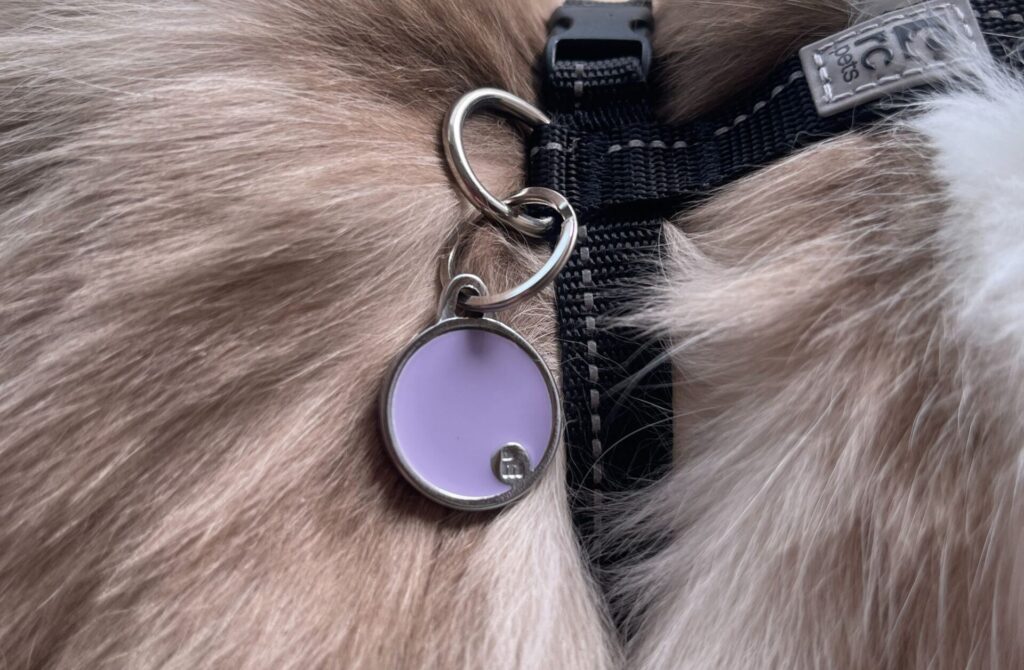
Some pet owners moving to Canada rely mainly on collar tags for identification.
While tags provide a helpful visual identifier, they are not permanent.
Unfortunately, many pets arrive at shelters without collars, harnesses, or tags. Pets can lose collars during stressful situations, accidents, or outdoor escapes.
Therefore, collar tags should support identification, not replace it.
Microchips remain the most reliable form of permanent identification because they stay with the pet for life.
However, a microchip only protects your pet when the registration information remains accurate and updated.
Because of this, pet microchip registration should become a priority shortly after arriving in Canada.
How BC Pet Registry helps protect pets in Canada
BC Pet Registry is a trusted partner of the American Animal Hospital Association (AAHA). This helps improve traceability throughout North America regardless.
Fortunately, registration is simple.
All you need is your pet’s microchip number to begin.
Once registered, your pet receives lifetime protection through the registry. In addition, you can make unlimited updates whenever your information changes.
For example, pet owners can:
- Add emergency contacts
- Include co-owner information
- Update Canadian addresses
- Upload pet photos
- Add medical or behavioural notes
As a result, your pet’s profile stays accurate throughout future moves and life changes.
After registration, you can also download your Certificate of Registration for your records.

Many newcomers to Canada keep this certificate with travel documents, veterinary paperwork and emergency records.
A simple safety step many newcomers overlook
Moving to Canada involves many responsibilities.
New immigrants often focus on housing, employment, banking, healthcare, and transportation first. As a result, pet microchip registration can become easy to overlook.
However, a few minutes spent checking your pet’s registration status can prevent major stress later.
If your pet already has a microchip, verify whether the information is searchable and updated within North America.
If your pet already has a microchip, verify whether the information is searchable and updated within North America.
If not, consider registering with BC Pet Registry as soon as possible.
Unsure? Contact us at info@bcpetregistry.ca for support.
Final reminder for immigrants moving to Canada with pets

If you moved to Canada with a dog or cat, now is the perfect time to check your pet’s microchip.
Remember, having a microchip implanted is only the first step. Registration is what connects that number to you.
In addition, keep your information updated whenever you move, change phone numbers, or add emergency contacts.
After checking your registration, download your Certificate of Registration and store it safely with your important documents.
For support, contact BC Pet Registry at info@bcpetregistry.ca.
FAQs
1. Do I need to register my pet’s microchip after moving to Canada?
Yes. Registering your pet’s microchip with a local database helps ensure we can quickly contact you if your pet is found.
2. Is a microchip enough without registration?
No. A microchip only contains a number. Registration connects that number to your contact information.
3. Can collar tags replace microchips?
No. Pets can lose collars and tags. Microchips provide permanent identification.
4. What do I need to register my pet with BC Pet Registry?
You only need your pet’s microchip number to begin registration.