
Two pets arrived at the BC SPCA with microchips, yet neither could quickly return home. One microchip was unregistered. The other contained incorrect information. These real-life stories show why checking your pet’s microchip registration matters.
Pet Microchip Registration: Your Pet Cannot Speak for Themselves
You carry identification everywhere. Your wallet likely holds your driver’s licence, bank cards, and health information. When you travel, you bring your passport because identification matters during emergencies.
However, what about your pets?
They cannot explain who they belong to. They cannot tell shelters where they live. Furthermore, if collar tags fall off, they lose their visible identity instantly.
That is why pet microchip registration matters.
Many pet owners believe the job ends after the microchip is implanted by the vet. In reality, the microchip only works when the information links properly to the correct owner.
Taking a few minutes today to check your pet’s microchip registration could save your pet from unnecessary stress and uncertainty.
The following two cases reveal how easily things can go wrong.
Recently, two pets arrived at the BC SPCA with microchips. Sadly, neither microchip helped reunite them immediately.
These real life stories show why checking your pet’s information today could protect them tomorrow.

Incorrect Information Can Prevent Reunions
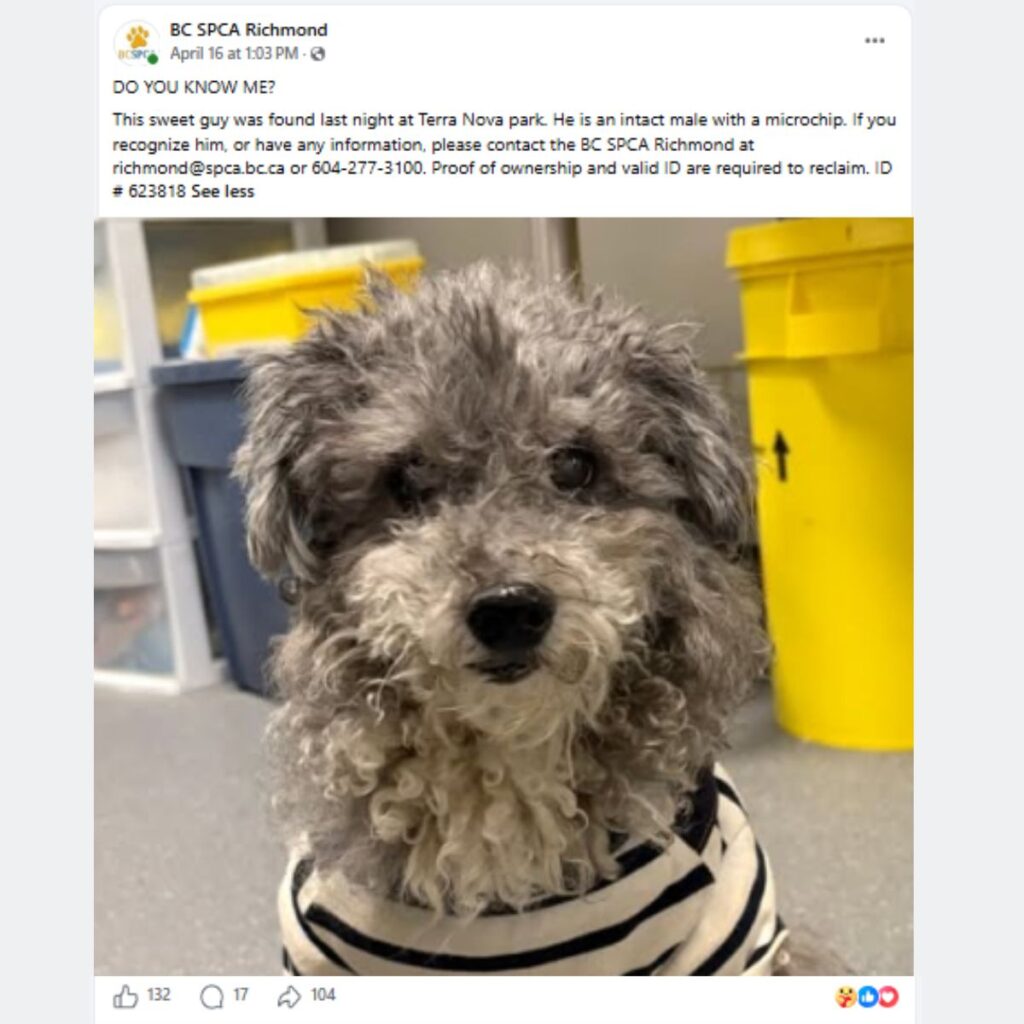
Sheldon’s story became even more heartbreaking.
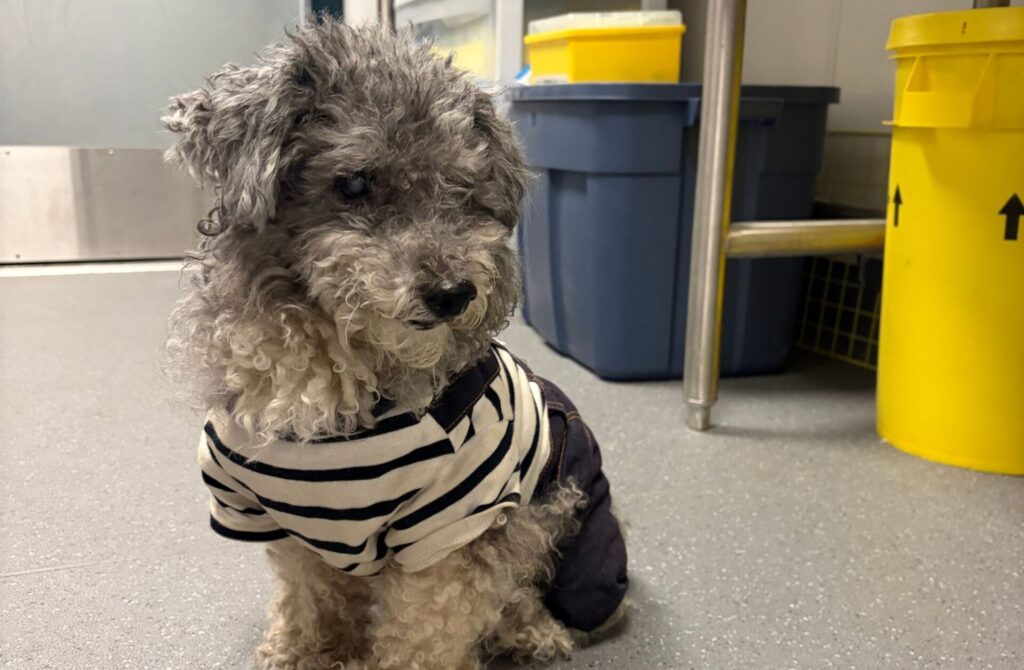
This senior pet entered the shelter with medical concerns and waited while staff attempted to identify the owner. Imagine the stress this pet likely experienced in an unfamiliar environment.
At first, staff believed the microchip would solve the problem quickly.
However, the registration information created confusion instead.
Sheldon appeared to be a Mini Schnauzer and Poodle mix. Yet, the registry identified the pet as a Bull Terrier. Furthermore, the ownership information did not lead staff to the correct owner.
Several possibilities may explain what happened. Human error may have caused incorrect information entry. Alternatively, a microchip mix-up may have occurred years earlier.
Regardless of the reason, the outcome stayed the same.
The information failed to identify the correct family.
After receiving medical care and support, Sheldon eventually found a loving adoptive home. Nevertheless, the situation demonstrates why owners should review their records regularly instead of assuming the information remains accurate forever.
An Unregistered Microchip Creates Risk
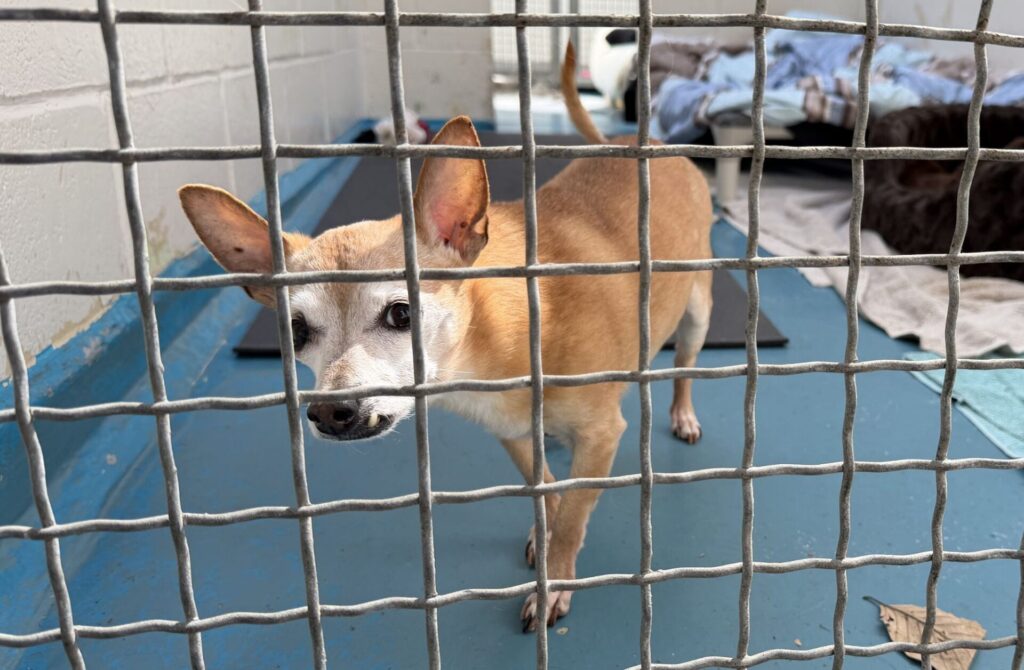
Bella arrived at the BC SPCA after getting lost close to home. Thankfully, the owners contacted the shelter quickly and reunited with their pet.
However, the situation could have ended very differently.
Although Bella had a microchip, the number was completely unregistered.
During the search process, staff noticed the microchip brand looked unfamiliar compared to common Canadian microchips. Therefore, it appeared possible that the pet originally received the microchip outside Canada before moving here.
Imagine if this pet travelled farther and arrived at a shelter in another city. Without a registered microchip, how would the owners know which shelter to contact?
A microchip number alone does not contain your phone number or address. Instead, the number must connect to an active registry profile.
Without pet microchip registration, the microchip cannot help your pet return home.
Important to know! If you recently moved to Canada with your pet, take time to verify that the microchip is properly registered in North America.
*Note: Bella’s name and identifying details have been changed to protect the privacy of individuals involved.
Why Pet Microchip Registration Matters
Many pet owners assume a microchip guarantees a reunion automatically.
Unfortunately, that belief creates false confidence.
A microchip only works when:
- the number is registered
- contact details stay updated
- pet descriptions remain accurate
- ownership information connects correctly
Life changes quickly. People move homes, switch phone numbers, and change email addresses. Therefore, regular reviews matter.
You already microchipped your pet because you love them. Do not let incomplete registration fail them during an emergency.
Download Your Certificate of Registration
After checking your information, take one more important step.
Download your Certificate of Registration.
This document provides a valuable record of your pet’s identification information. You can print a copy for travel, store one with veterinary records, and keep a digital backup for emergencies.
Be proud you did the work to protect your pet. Hang the certificate up like you would your own achievements and certifications.

You protect your own important documents. Your pet deserves the same level of preparation.
Because when emergencies happen, your pet cannot speak for themselves.
FAQs
1. What happens if my pet’s microchip is not registered?
If the microchip is unregistered, shelters and veterinary clinics may not find your contact information. This delay can prevent a quick reunion.
2. How do I check my pet’s microchip registration?
Contact your microchip registry or log into your account online. Confirm your phone number, email, address, and pet details are correct. Unsure? Email us at info@bcpetregistry.ca.
3. Is a microchip enough without a collar tag?
A collar tag helps, but tags can fall off. A properly registered microchip provides permanent identification.
4. Should I update my pet’s microchip after moving to Canada?
Yes. Many pets arrive from overseas with microchips that are not registered in North America – register with the BC Pet Registry now, all you need is the microchip number: Register – BC Pet Registry
5. Why should I download a Certificate of Registration?
A Certificate of Registration provides proof of your pet’s identification details. Keep printed and digital copies for travel, veterinary visits, and emergencies.