
Most annual pet checkups follow a familiar routine.
Your veterinarian checks your pet’s weight, listens to their heart, examines their teeth and ears, and reviews vaccinations. These steps are important for protecting your pet’s health.
But there is one simple check many pet owners never think to ask about.
Their pet’s microchip.
A microchip may be designed to last for life, but that does not mean it should be forgotten after implantation. Asking your veterinarian to scan it during an annual pet checkup helps confirm that it can still be read and that the number matches your records.
It also gives you the perfect reminder to review the contact information connected to it.
This small step takes only a few moments, yet it could make an enormous difference if your pet ever goes missing.
Table of Contents
A Microchip Is Easy to Forget Once It Is Implanted
Microchips work quietly in the background.
They do not use batteries, need charging, or require regular physical maintenance. Because there is nothing visible to check, many pet owners assume there is nothing else to do.
That is understandable, but a microchip is only useful when three things are true:
- it can be detected by a scanner
- the chip number is correctly recorded
- the registration information is current
An annual pet checkup is a convenient time to confirm all three.
Having the microchip scanned helps verify that it can be located and read. It also allows you to compare the number with your own records, especially if you have recently adopted your pet, changed veterinary clinics, or are unsure where the original paperwork is stored.
Your Contact Information May Be the Part That Needs Attention
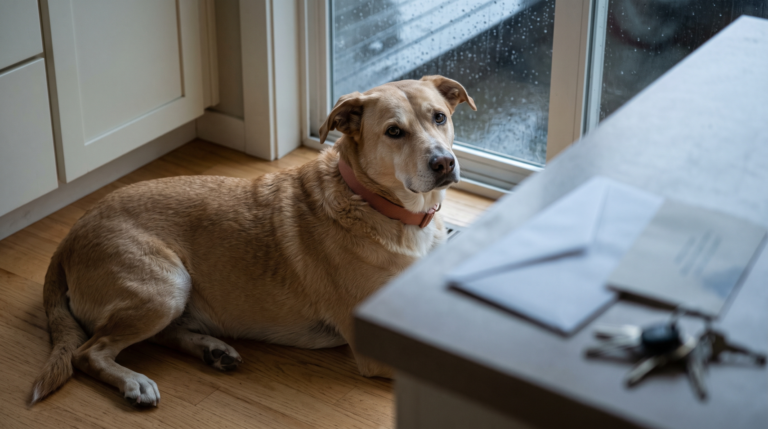
Most pets keep the same microchip throughout their lives.
Their families, however, may change addresses, phone numbers, email accounts, or emergency contacts several times.
You may have moved since your pet was registered. Perhaps you changed your mobile number, stopped using an old email address, or listed a relative who is no longer the best backup contact.
These changes can make it harder for a shelter or veterinary clinic to reach you.
That is why a microchip check should involve more than scanning the chip. It should also prompt a quick review of the registration record connected to it.
During your pet’s annual wellness exam, take a moment to confirm:
- your current phone number
- your home address
- your email address
- your emergency contact
- your pet’s name and identifying details
Keeping this information accurate helps turn a microchip number into a useful path home.
What to Ask During Your Pet’s Annual Checkup
You do not need to wait for your veterinary team to bring up the subject.
Simply ask:
“Could you please scan my pet’s microchip while we are here?”
The scan itself is quick and does not require a special appointment. Once the number appears, you can compare it with your registration records.
You can also ask whether the clinic has the same number on file.
After the appointment, log in to your registry account and review the information attached to your pet’s microchip. Update anything that has changed.
Making this part of every annual pet checkup creates a simple routine. Just as you review vaccinations and health concerns once a year, you can also review the identification that may help reunite you with your pet.
Why Veterinary Clinics Play Such an Important Role
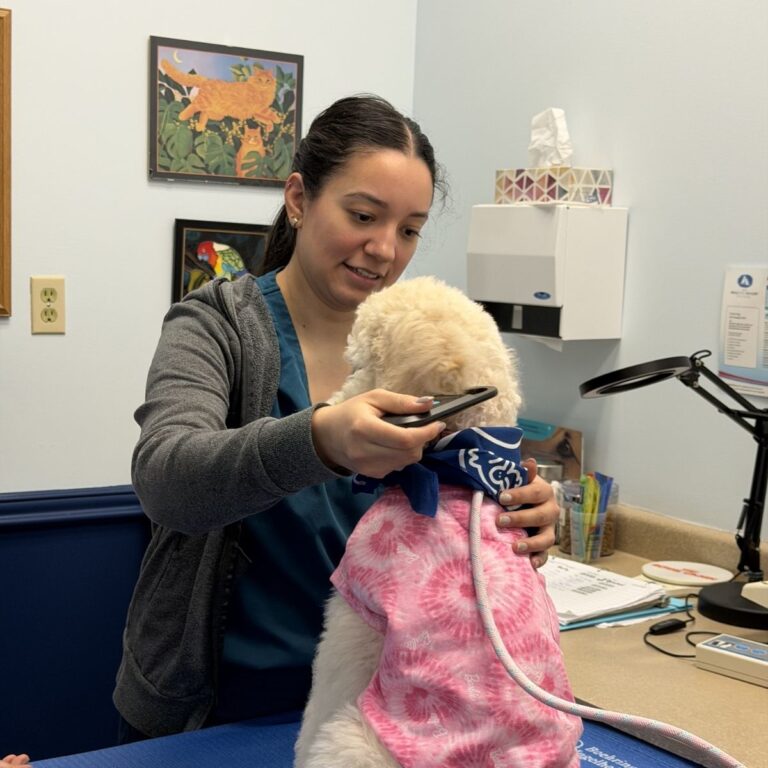
Veterinary clinics are important partners in pet identification and reunification.
They implant microchips, scan found animals, help pet owners locate chip numbers, and often guide families through the registration process.
When a lost pet is brought to a veterinary clinic, scanning for a microchip is often one of the first steps. If the chip is registered and the contact details are accurate, staff may be able to begin contacting the pet’s family right away.
BC Pet Registry works with veterinary clinics across British Columbia to help make permanent identification more accessible and support faster reunions.
Learn more about this work in How BC Pet Registry Supports Veterinary Clinics and Rescues.
Be a Part of the 80% Responsible Owners
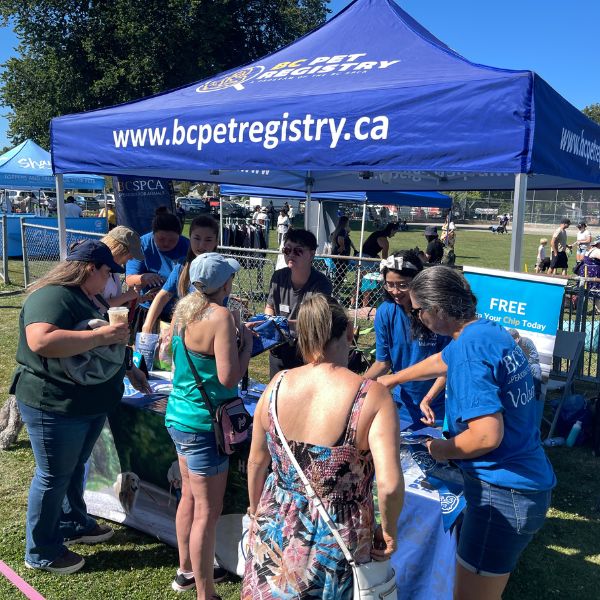
During our recent events, we scanned hundreds of pets, all with microchips implanted. Only to discover that approximately 20% of the pets’ microchips are not linked to any registries in North America. We recommend all pet owners to double check their pet’s registration and directly registering with us. All you need is the microchip number and/or tattoo code to start the online registration process. For a small, one-time fee of $45, your pet will be protected for a lifetime and you will also have contributed to the life-saving work of the BC SPCA.
The Difference Between Implantation and Registration
One of the most common misunderstandings about microchips is that implantation automatically means registration is complete.
These are often separate steps.
A veterinarian or shelter may implant the microchip, but the pet owner may still need to complete the registration and confirm their contact information.
A microchip that has not been properly registered may still display a number when scanned, but that number may not lead to the current guardian.
This is why an annual pet checkup is such a valuable reminder. It gives you an opportunity to ask two different questions:
- Can my pet’s microchip be scanned?
- Is the microchip registered with my current information?
Both matter.
The article Why Your Pet’s Microchip Registration Confirmation Email Matters explains why completing registration and keeping proof of confirmation are so important.
Make It Part of Your Annual Pet Checklist
A microchip scan is only one part of keeping your pet’s identification up to date.
Once a year, consider reviewing the following:
Item to Check | Why It Matters |
Microchip scan | Confirms the chip can be detected |
Registration record | Ensures your contact information is current |
Collar and ID tag | Provides visible identification |
Emergency contact | Gives clinics or shelters another way to reach someone |
Recent pet photos | Helps with identification if your pet goes missing |
Veterinary records | Keeps important health and ownership information organized |
Completing these tasks at the same time each year makes them easier to remember.
You might choose your pet’s birthday, adoption anniversary, or annual veterinary appointment as your reminder date.
Indoor Pets Need This Check Too

Some pet owners assume microchip checks are mainly important for pets that spend time outdoors.
Indoor pets can also escape unexpectedly.
A door may be left open. A screen may come loose. A pet may run during a move, fire alarm, storm, or emergency evacuation.
Indoor cats, in particular, may hide quietly nearby after escaping, making them difficult to find. If someone eventually brings them to a clinic or shelter, a readable and properly registered microchip can help identify them.
Your pet’s lifestyle does not remove the need for accurate identification.
A Few Minutes Can Prevent a Major Problem
Pet identification is easy to overlook because it is rarely urgent until something goes wrong.
That is exactly why building it into an existing routine is so helpful.
You are already taking your pet for a wellness exam. You are already reviewing their health, medications, vaccinations, and care needs.
Adding a microchip scan requires very little extra time.
The real value comes from confirming that the system will work before you are relying on it during a stressful situation.
A few minutes spent checking the chip and reviewing your contact details today could prevent days or weeks of uncertainty later.
The Bottom Line
Annual pet checkups protect your pet’s health.
They can also help protect the connection between your pet and your family.
At your next appointment, ask your veterinarian to scan the microchip. Confirm the number, review the registration, and update any information that has changed.
It is one of the easiest things to overlook during a wellness visit.
It is also one of the simplest steps you can take to help your pet find their way home.
FAQ
Q: How often should my pet’s microchip be checked?
A good routine is to have it scanned during your pet’s annual veterinary checkup.
Q: Can a pet microchip stop working?
Microchips are designed to last for a pet’s lifetime, and problems are uncommon. A periodic scan confirms that the chip can still be detected.
Q: Does scanning the microchip update my contact information?
No. Scanning confirms the chip number, but you must update your contact information through the registry.
Q: What information should I review each year?
Check your phone number, address, email address, emergency contact, and your pet’s identifying details.
Q: What happens if the chip is not registered?
The chip may still be detected, but the number may not lead to current contact information for the pet’s guardian.
Q: Should indoor pets have their microchips checked?
Yes. Indoor pets can escape during everyday accidents, moves, storms, or emergencies.