
Most pets do not go missing on ordinary days.
They disappear during the moments that feel chaotic.
A thunderstorm cracks overhead.
A wildfire evacuation order arrives suddenly.
A fence falls during high winds.
Fireworks explode unexpectedly nearby.
Fear changes behaviour, even for calm pets.
And in British Columbia, extreme weather events are becoming harder to ignore.
Meteorologists continue warning about the possibility of stronger weather cycles connected to El Niño patterns, bringing increased risks of heat waves, drought, severe storms, and wildfire conditions across parts of Canada. For pet guardians, that means emergency preparation matters more than ever.
Because when disaster strikes, pets do not understand what is happening.
They only know they are scared.
Table of Contents
Why Extreme Weather Increases Lost Pet Incidents
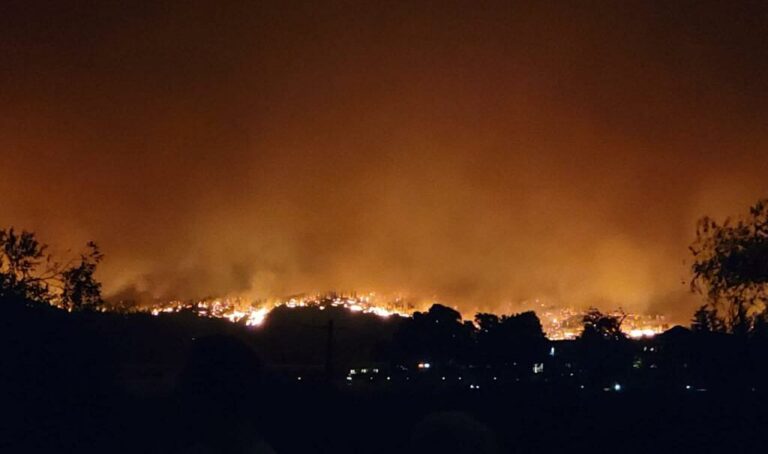
During stressful weather events, pets often react instinctively.
A normally relaxed dog may panic and bolt.
An indoor cat may hide in dangerous places or slip outside unnoticed.
A frightened animal may run much farther than usual before stopping.
Extreme weather creates confusion for everyone, including animals.
And unfortunately, many lost pets during storms or evacuations are missing identification or have outdated registration information, making reunions harder when they are finally found.
Storms and Thunder: The Sudden Panic Response
Thunderstorms are one of the most common triggers for pet escapes.
The combination of:
- loud thunder
- flashing lightning
- heavy rain
- pressure changes
can overwhelm even confident pets.
Some dogs jump fences.
Some cats hide silently for days.
Others force through damaged screens or open doors in panic.
Across BC, shelters and veterinary clinics often see increases in lost pet reports immediately after major storms.
This is especially important for indoor pets, who may panic more severely because they are unfamiliar with the outdoors.
Heat Waves and Wildfire Evacuations
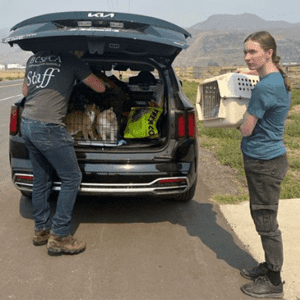
Extreme heat creates different dangers.
During heat waves or wildfire evacuations:
- routines disappear
- homes become stressful
- pets travel unexpectedly
- families relocate quickly
Doors stay open longer during packing and evacuation. Pets become disoriented in unfamiliar spaces like hotels, emergency shelters, or temporary housing.
Wildfire smoke can also increase anxiety and distress in animals, especially older pets or those with respiratory issues.
For many families, evacuations happen fast.
Preparation beforehand matters.
Windstorms and Falling Trees
BC communities are no strangers to windstorms.
Falling branches, damaged fences, and sudden crashes can trigger immediate fear responses in pets.
One loud sound can send an animal running before anyone realizes what happened.
This is exactly why identification matters so much during emergencies.
When pets are found frightened and far from home, shelters and veterinary clinics rely on microchips and tattoos to reconnect them with their families quickly.
The Most Important Thing Many Pet Owners Forget
Emergency preparation is not just about food and carriers.
It is also about identification.
A microchip only helps if:
- it is registered
- your information is current
- someone can answer the phone
This becomes especially important during evacuations or travel disruptions.
If your phone number changed years ago and was never updated, the reunion process may stop before it even starts.
You can register or update your pet’s information here:
https://bcpetregistry.ca/register/
Preparing Your Pet Before Extreme Weather Hits
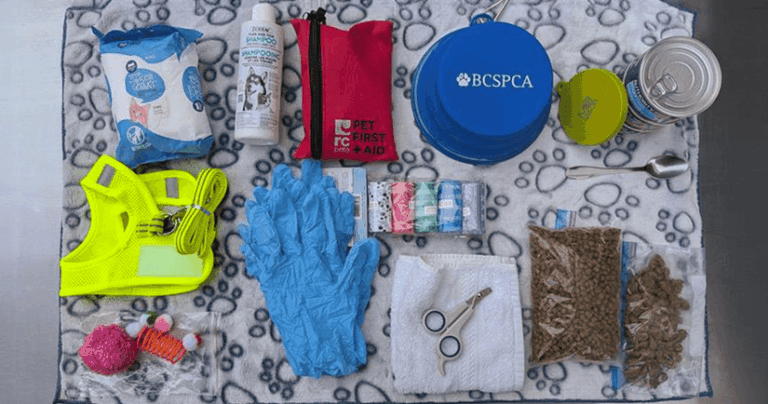
Emergency planning does not need to feel overwhelming.
Small steps make a major difference.
Keep Identification Current
Make sure your pet:
- has a registered microchip
- wears visible ID tags
- has updated contact information
- includes a backup contact
Prepare an Emergency Pet Kit
Include:
- food and water
- medications
- leash or harness
- carrier
- vaccination records
- recent photos of your pet
Store everything somewhere easy to access quickly.
Create a Safe Indoor Space
During storms or fireworks:
- close windows and curtains
- reduce outside noise
- provide blankets or hiding spots
- keep pets indoors early
Predictability helps reduce panic.
Practice Carrier and Travel Comfort
Pets who are comfortable entering carriers or vehicles are easier to evacuate safely during emergencies.
Short practice sessions throughout the year can reduce stress dramatically when time matters.
National Conversations Around Animal Emergency Preparedness
Across Canada, animal welfare organizations continue working together to improve emergency planning for pets during disasters and extreme weather events.
BC Pet Registry recently participated in Humane Canada’s Summit for Animals, where organizations from across the country discussed animal welfare, preparedness, and systems that help protect pets during emergencies and reunifications.
You can read more about that event here:
👉 https://bcpetregistry.ca/stories/information/bc-pet-registry-microchips-humane-canadas-summit-for-animals/
These conversations matter because better preparedness helps more pets stay connected to their families when emergencies happen.
Community Support Saves Lives
During extreme weather events, communities often become the safety net.
Neighbours share sightings.
Veterinary clinics scan found pets.
Shelters coordinate emergency care.
Strangers stop to help frightened animals.
Many reunions happen because someone cared enough to act quickly.
You can explore real reunion stories here:
https://bcpetregistry.ca/stories/
Be a Part of the 80% Responsible Owners
During our recent events, we scanned hundreds of pets, all with microchips implanted. Only to discover that approximately 20% of the pets’ microchips are not linked to any registries in North America. We recommend all pet owners to double check their pet’s registration and directly registering with us. All you need is the microchip number and/or tattoo code to start the online registration process. For a small, one-time fee of $45, your pet will be protected for a lifetime and you will also have contributed to the life-saving work of the BC SPCA.
The Bottom Line
Extreme weather changes everything quickly.
A calm afternoon becomes a storm.
A routine evening becomes an evacuation.
A secure home suddenly feels unfamiliar to a frightened pet.
You cannot control the weather.
But you can prepare for the moments that come with it.
A registered microchip.
Updated contact information.
An emergency plan ready before you need it.
These small steps can make all the difference when fear and confusion take over.
Because when pets panic, preparation is often what guides them safely back home.
FAQ
Q: Are pets more likely to go missing during storms?
Yes. Thunder, fireworks, strong winds, and sudden weather events can trigger panic responses that cause pets to run or hide.
Q: How can I prepare my pet for wildfire season in BC?
Create an emergency kit, keep carriers accessible, ensure identification is current, and plan evacuation routes ahead of time.
Q: Do indoor pets need emergency plans too?
Absolutely. Many indoor pets escape during storms, evacuations, or loud weather events because they panic unexpectedly.
Q: What should be included in a pet emergency kit?
Food, water, medications, leash or carrier, vet records, recent photos, and identification information.
Q: Where can I update my pet’s microchip information in BC?
You can register or update your pet’s information at:
https://bcpetregistry.ca/register/