
For many pet owners, getting a microchip feels like checking an important box.
The appointment is booked.
The chip is implanted.
Everyone breathes a little easier.
And then life moves on.
The paperwork sits on a counter. The registration email gets buried in an inbox. The intention is there, but somehow it never becomes a priority.
Until something happens.
A gate is left open.
A storm rolls through.
A pet slips outside unexpectedly.
And suddenly, a microchip that was supposed to provide peace of mind is not connected to anything at all.
The reality is that many pet owners do not realize there is a difference between having a microchip and registering one.
That misunderstanding can have heartbreaking consequences.
Table of Contents
The Difference Between Microchipped and Registered
A microchip is a tiny transponder implanted beneath your pet’s skin.
It contains a unique identification number.
That is all.
The chip itself does not store your phone number, address, or email.
Those details live in a registry database.
Without registration, the number on the chip cannot be connected back to you.
Think of it like having a phone number written on a piece of paper, but never telling anyone who it belongs to.
The information exists.
But it cannot help anyone make the connection.
Why So Many Pet Owners Wait
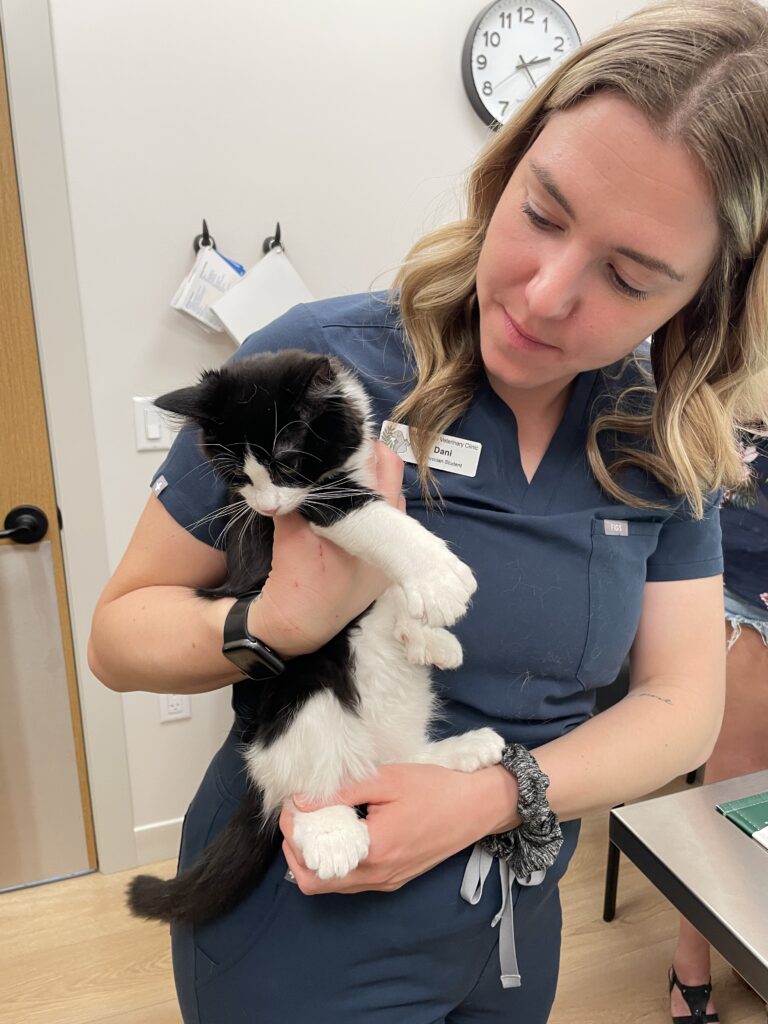
Most people do not intentionally leave their pet unprotected.
The reasons are usually simple.
“I Thought the Vet Handled It”
This is one of the most common misconceptions.
Many owners assume that once a veterinarian implants the chip, everything else happens automatically.
In reality, implantation and registration are often separate steps.
Unless registration is completed and confirmed, shelters and veterinary clinics may not be able to identify the pet’s guardian.
“I’ll Do It Later”
Life gets busy.
The registration form gets set aside.
A move happens. A vacation happens. Work gets hectic.
Weeks become months.
Months become years.
By the time many owners remember, they have forgotten where the paperwork even went.
“My Pet Never Goes Outside”
Indoor pets account for many lost pet reports every year.
Doors are left open.
Screens break.
Visitors come and go.
Emergencies happen.
No one expects their pet to get lost until the day it does.
The Real Cost of Waiting
The consequences of delayed registration are rarely obvious until the worst happens.
Imagine your pet is found.
A kind stranger brings them to a veterinary clinic.
Staff scan the microchip.
A number appears.
But when they search for the registration information, there is nothing there.
No phone number.
No address.
No emergency contact.
The microchip worked perfectly.
The registration never happened.
The result is often the same as having no identification at all.
When Registration Makes the Difference
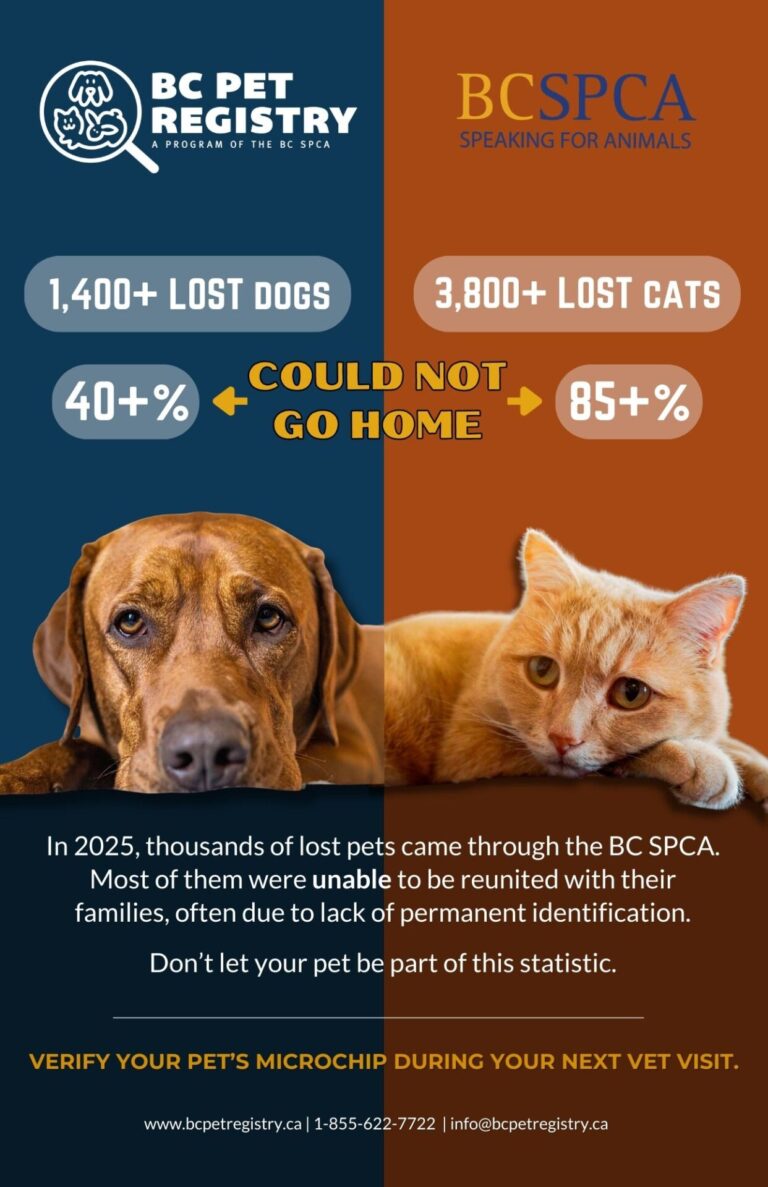
Across British Columbia, pets are reunited with their families every year because their microchip information is current and accessible.
The process is surprisingly simple.
- A pet is found.
- A veterinary clinic or shelter scans the microchip.
- The registry provides contact information.
- A phone rings to bring the family the good news.
These reunions are possible because someone took a few minutes to complete the registration process.
One example is Mike, a cat from Kamloops who disappeared for nearly two years. His family never stopped wondering what had happened to him, but as time passed, hope naturally became harder to hold onto.
Then one day, Mike was found and brought to a veterinary clinic. Staff scanned his microchip and were able to access his registration information. Thanks to that microchip, a phone call connected Mike with the family who had been missing him for almost two years.
What could have remained an unsolved mystery became a joyful reunion.
You can read Mike’s full story here:
👉 https://bcpetregistry.ca/stories/lost-cat-reunited-with-microchip-kamloops/
Stories like Mike’s remind us that registration is not just paperwork. It is the bridge that allows a microchip to do its job when a lost pet is finally found, whether that happens in a few hours, a few weeks, or even years later.
Registration Is Not a One-Time Task
Even registered microchips need occasional attention.
Life changes.
Phone numbers change.
People move.
Families grow.
If your contact information changes but your registration does not, the protection weakens.
This is why updating information is just as important as registering in the first place.
A registered chip with outdated information can create the same challenges as an unregistered one.
A Stronger Safety Net for Every Pet
The best protection comes from layers.
Consider:
- A registered microchip
- Visible ID tags
- Current contact information
- A backup emergency contact
- Recent photos of your pet
Each layer increases the chances of a successful reunion.
No single tool is perfect.
Together, they create a stronger path home.
Why Community Partnerships Matter

Helping pets return home is not the work of one organization alone.
Veterinary clinics, shelters, rescue groups, and registries all play a role.
BC Pet Registry works with veterinary clinics and animal welfare partners across the province to help increase access to permanent identification for pets and rescue animals.
You can learn more about these partnerships here:
👉 https://bcpetregistry.ca/stories/information/bc-pet-registry-microchips-veterinary-clinics/
The more pets that receive permanent identification and proper registration, the stronger the safety net becomes for everyone.
National Conversations Help Strengthen Pet Protection
Keeping pets safe is about more than individual reunions. It is also about improving animal welfare systems across Canada.
BC Pet Registry recently participated in Humane Canada’s Summit for Animals, where organizations from across the country came together to discuss animal welfare, responsible pet guardianship, and the programs that help protect pets when they become lost.
You can learn more about the summit here:
Conversations like these help strengthen the systems that connect lost pets with the people searching for them.
How to Check If Your Pet Is Registered
Not sure whether your pet’s microchip is registered?
Start by:
- Finding your pet’s microchip number
- Confirming which registry it is associated with
- Logging into the registry account
- Verifying your phone number, address, and email
- Adding a backup emergency contact
If any information is outdated, update it immediately.
A few minutes today could make all the difference later.
Be a Part of the 80% Responsible Owners
During our recent events, we scanned hundreds of pets, all with microchips implanted. Only to discover that approximately 20% of the pets’ microchips are not linked to any registries in North America. We recommend all pet owners to double check their pet’s registration and directly registering with us. All you need is the microchip number and/or tattoo code to start the online registration process. For a small, one-time fee of $45, your pet will be protected for a lifetime and you will also have contributed to the life-saving work of the BC SPCA.
The Bottom Line
Most pet owners do not delay registration because they do not care.
They delay because life gets busy and the risk feels distant.
But lost pets rarely disappear when it is convenient.
They slip out unexpectedly.
They run when frightened.
They become separated from the people who love them.
When that happens, a registered microchip can turn a frightening situation into a simple phone call.
The best time to register your pet’s microchip is not after a scare.
It is before one happens.
Because when every minute matters, preparation matters too.
FAQ
Q: Is my pet automatically registered when they get a microchip?
Not always. Microchip implantation and registration are often separate steps. Always confirm that registration has been completed.
Q: How can I check if my pet’s microchip is registered?
Locate your pet’s microchip number and contact the registry associated with it. Verify that your contact information is current. Got questions? Contact the BC Pet Registry team at info@bcpetregistry.ca
Q: What happens if a microchip is not registered?
A shelter or veterinary clinic may be able to scan the chip, but they may not be able to identify or contact the guardian.
Q: How often should I update my microchip information?
Any time your phone number, address, email, or emergency contacts change.
Q: Can indoor pets benefit from microchip registration?
Absolutely. Many lost pets are indoor-only animals that escaped unexpectedly through doors, windows, or during emergencies.