
One of the hardest parts of losing a pet is not knowing what they’re doing.
“Are they trying to come home?”
“Are they hiding?”
“Have they wandered miles away?”
Most of us imagine our pets searching for us just as desperately as we’re searching for them. But when animals become frightened or disoriented, they do not think the way people do.
Understanding lost pet behavior can help you search more effectively, make better decisions during those first critical hours, and increase the chances of a reunion.
Because the more we understand what our pets are experiencing, the better we can help bring them home.
Table of Contents
Lost Pets Are Usually Acting on Instinct
When a pet escapes, survival becomes their priority.
Fear changes behavior.
Even the friendliest dog may avoid strangers.
Even the most affectionate cat may ignore its guardian’s voice.
This surprises many families.
“My cat always comes when I call.”
“My dog would never run away.”
But fear changes familiar behaviors.
Animals rely on instinct long before they rely on recognition.
Lost Cats Often Stay Much Closer Than You Think
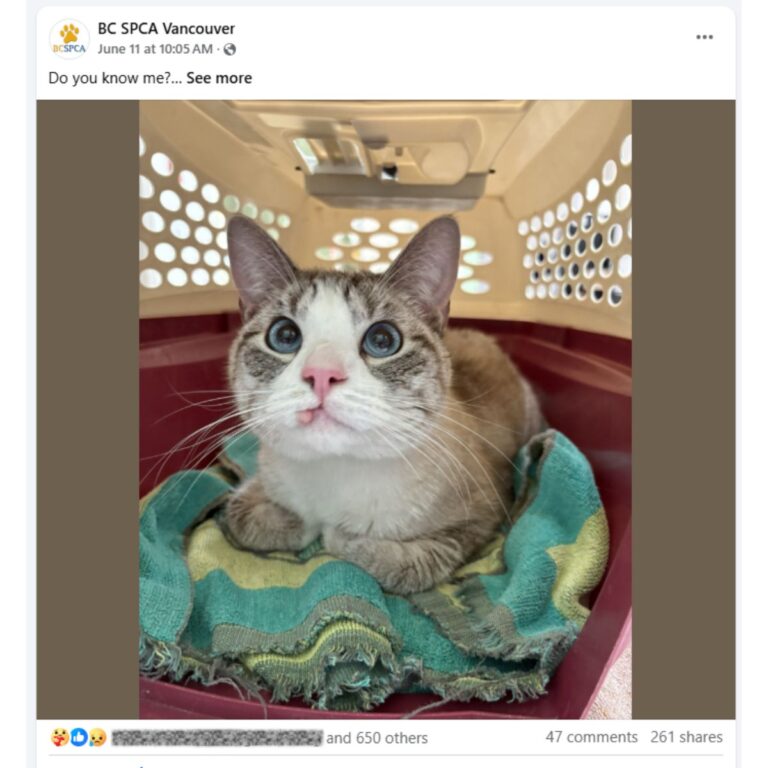
One of the biggest misconceptions is that lost cats immediately travel long distances.
Many indoor cats do the opposite.
They hide.
Common hiding places include:
- Under decks
- Crawl spaces
- Garages
- Dense shrubs
- Wood piles
- Sheds
Some cats remain within a few houses of home for days while they quietly observe their surroundings.
They may even hear their family calling without responding because they feel too frightened to move.
That is why patient, repeated searches during quieter times of day are often more successful than a single long search.
Lost Dogs Often Keep Moving
Dogs tend to respond differently.
Many frightened dogs continue running until something interrupts them.
This could be:
- exhaustion
- hunger
- a friendly person
- a fenced yard
- another animal
Some dogs travel several kilometres in just a few hours.
Others stay surprisingly close if they find a safe place.
Every situation is different, but understanding that dogs often cover more ground than cats helps guide search efforts.
Why Calling Your Pet's Name Doesn't Always Work
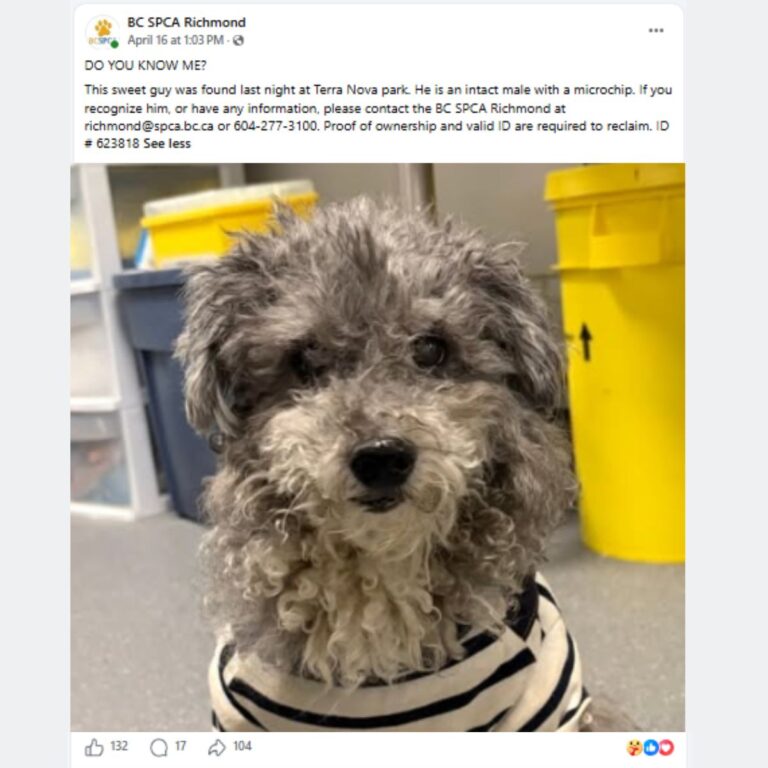
This is one of the most heartbreaking realities.
Your pet may hear you.
They simply may not respond.
Fear affects animals just as it affects people.
A frightened pet may freeze.
Hide silently.
Avoid movement.
This does not mean they do not recognize you.
It means they are overwhelmed.
Searching calmly, returning to the same areas repeatedly, and using familiar scents or food can often be more effective than calling loudly.
What Happens When Someone Else Finds Your Pet
No matter how well you understand your pet’s behaviour, there comes a point where your search may depend on someone else.
A neighbour may spot your cat hiding under a deck.
A passerby may safely contain your dog after they bolt.
Often, the next stop is a veterinary clinic or animal shelter, where staff will scan the pet for a microchip.
That scan is often what makes a reunion possible.
If your pet has permanent identification and your contact information is up to date, a simple phone call can reconnect you.
If not, even a found pet can remain difficult to identify.
Why Preparation Matters Before a Pet Ever Goes Missing
No one expects to lose a pet.
But preparation begins long before an emergency.
Simple steps include:
- registering your pet’s microchip
- keeping your contact information current
- adding a backup contact
- keeping recent photos available
- making sure collars and tags are in good condition
If you have recently moved to British Columbia, preparation also means confirming your pet’s microchip can be traced here. Many families arrive from another province or another country assuming their pet’s existing microchip is automatically connected to a registry that shelters and veterinary clinics in Canada can access. Depending on where the chip was originally registered, that may not always be the case.
Our guide for newcomers explains what to check after relocating to BC and how to make sure your pet’s identification is working when it matters most.
👉 https://bcpetregistry.ca/stories/information/pet-microchip-registration-bc-immigrants/
These simple steps cannot prevent every escape.
But they can make reunions happen much faster.
Communities Help Bring Pets Home
Finding a lost pet is rarely the result of one person acting alone.
Neighbours share sightings.
Veterinary clinics scan microchips.
Shelters provide temporary care.
Good Samaritans stop to help frightened animals.
Across British Columbia, these partnerships help reunite families every day.
BC Pet Registry also works alongside veterinary clinics and rescue organizations throughout the province to expand access to permanent identification and strengthen the network that helps lost pets return home.
Learn more here:
👉 https://bcpetregistry.ca/stories/information/bc-pet-registry-microchips-veterinary-clinics/
Be a Part of the 80% Responsible Owners
During our recent events, we scanned hundreds of pets, all with microchips implanted. Only to discover that approximately 20% of the pets’ microchips are not linked to any registries in North America. We recommend all pet owners to double check their pet’s registration and directly registering with us. All you need is the microchip number and/or tattoo code to start the online registration process. For a small, one-time fee of $45, your pet will be protected for a lifetime and you will also have contributed to the life-saving work of the BC SPCA.
The Bottom Line
When pets become lost, they are not making thoughtful decisions.
They are responding to fear.
Understanding how dogs and cats behave after escaping can make your search more focused and more effective.
But even the best search has limits.
Eventually, many lost pets are found by someone else.
That is where permanent identification becomes so important.
A registered microchip gives your pet a voice when they cannot speak for themselves.
And sometimes, that one small chip is what turns months or even years of uncertainty into one unforgettable phone call.
FAQ
Q: Where do lost indoor cats usually hide?
Most indoor cats stay surprisingly close to home, hiding under decks, sheds, bushes, or in garages until they feel safe enough to move.
Q: How far can a lost dog travel?
A frightened dog may travel several kilometres, especially during the first few hours after escaping. Every dog responds differently depending on temperament and environment.
Q: Why won’t my lost pet come when I call?
Fear can override familiar behaviours. Even pets that normally come when called may hide silently until they feel safe.
Q: Does understanding lost pet behaviour improve the chances of finding them?
Yes. Knowing how dogs and cats typically respond after escaping can help you search more effectively and focus on the areas where they are most likely to be found.
Q: Why should my pet have a registered microchip?
Many lost pets are found by strangers and taken to a veterinary clinic or shelter. A registered microchip allows staff to identify the guardian and begin the reunion process quickly.