
Pull up a photo of your pet from a few years ago.
Do they look exactly the same?
Maybe the tiny puppy in your camera roll is now a 70-pound dog. Your kitten has grown into an adult cat with completely different markings. Your rescue pet has a new name. Or perhaps age has brought a greyer muzzle and a few new distinguishing features.
We often remember to update our own information when life changes. We move, get a new phone number or switch email addresses.
But what about the information we keep about our pets?
Keeping your pet’s identification records current is an easy part of responsible pet ownership to overlook. While your pet’s microchip number stays with them, other information can change throughout their life.
Taking a few minutes to review those details can help make sure you have accurate information available when it matters.
Table of Contents
Your Pet's Microchip Number Does Not Change as They Grow
Let’s start with an important distinction.
A microchip carries a unique identification number. Your puppy does not need a new microchip simply because they have grown into an adult dog, and your senior pet does not need a different number because their appearance has changed.
What does need attention is the information and records surrounding that identification.
That includes making sure you know:
- your pet’s microchip number
- which registry holds the registration
- whether your contact information is current
- whether your emergency contact is still appropriate
- where you keep your pet’s identification records
It is also worth keeping an up-to-date photo and description of your pet for your own records.
Think of the microchip as one permanent piece of a larger identification picture.
1. Your Pet Has Grown Up
Puppies and kittens can change dramatically during their first year.
The little face you photographed on adoption day may look quite different several months later.
That does not change the microchip itself, but it is a good reason to update the records you keep at home.
Take new photos that clearly show:
- your pet’s face
- their full body
- colouring and markings
- distinctive physical features
- their appearance from more than one angle
Those photos do not need to be professional.
They just need to make your pet easy to recognize.
If your pet ever becomes lost, a recent identification photo will be far more useful than the adorable puppy picture from three years ago.
2. Your Pet’s Name Has Changed
Name changes are particularly common after adoption.
A dog called Max at the shelter may become Charlie at home. A cat may arrive with a temporary name and receive an entirely new one once they join the family.
If you change your pet’s name, review the places where their old name may still appear.
That could include veterinary records, identification records and the paperwork you keep at home.
The goal is not simply tidy record keeping. It is making sure the different pieces of information associated with your pet make sense together.
If you are unsure what information can be changed within your microchip registration, contact the registry directly rather than assuming the update happens automatically elsewhere.
3. Your Pet’s Appearance Has Changed
Some changes happen gradually.
A pet may develop grey fur around their muzzle. Their coat may become lighter or darker. A medical procedure or injury may leave a distinctive physical feature.
Other pets can look surprisingly different depending on grooming.
If your pet’s appearance has changed significantly, take another set of clear identification photos and update the description you keep in your personal pet records.
This can be especially useful if you ever need to create a lost pet notice or provide someone with an accurate description quickly.
You probably have hundreds of photos of your pet already.
The important question is whether you have a few current photos that clearly identify them.
4. Your Contact Information Has Changed
Sometimes it is not the pet who has changed.
It is you.
A move, new phone number, different email address or change in emergency contact should prompt a review of your pet’s microchip registration.
This is one of the most important reasons to update pet microchip information.
A readable microchip number is only one part of the identification process. The registration information associated with that number needs to provide a useful way to connect a found pet with their guardian.
Do not assume that updating your address with your veterinarian, municipality or another organization automatically updates a separate microchip registry.
Check the registration directly.
5. Your Family Situation Has Changed
Think about the person you would want contacted if you were unavailable.
Is it still the same person you would have chosen five years ago?
Families change. People move. Relationships change. Adult children leave home. Friends relocate.
Your backup contact should be someone appropriate for your current situation.
Periodically reviewing that information can be just as important as checking your own phone number and address.
If you have not looked at your pet’s registration record recently, this is a good reason to do it now.
Make Recent Photos Part of Your Pet's Identification Plan
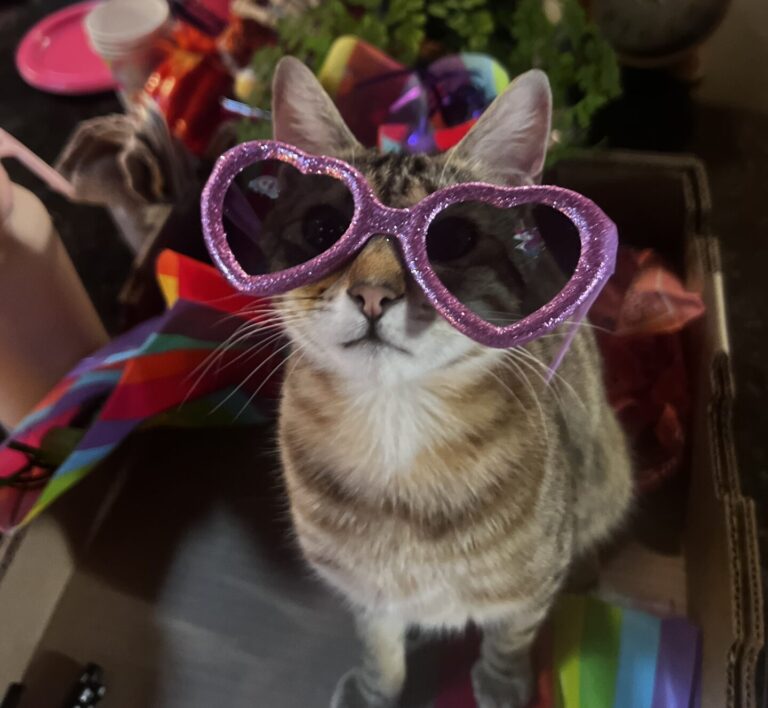
A microchip and a photograph do different jobs.
A microchip provides permanent identification that can be read when a pet is scanned.
A photograph helps people recognize the animal they are looking for.
That is why keeping both is useful.
Try taking a simple set of identification photos once a year. You could do it on your pet’s birthday, adoption anniversary or around the time of their annual veterinary visit.
Save the best images somewhere easy to access rather than relying on scrolling through thousands of photos when you are already stressed.
You could keep them in a folder on your phone alongside your pet’s microchip number, veterinary information and other important records.
Registration Information Should Change When Your Life Does
One of the easiest mistakes to make is assuming microchip registration is something you complete once and never think about again.
Your pet may keep the same microchip, but the information needed to reach you can change many times during their lifetime.
Whenever you:
- move
- change your phone number
- change your email address
- change your emergency contact
- take ownership of an already-microchipped pet
review the registration associated with your pet.
If you are uncertain whether your registration was completed in the first place, BC Pet Registry has also explained why registration confirmation matters and what pet owners should look for.
Moving Can Be an Especially Important Reminder
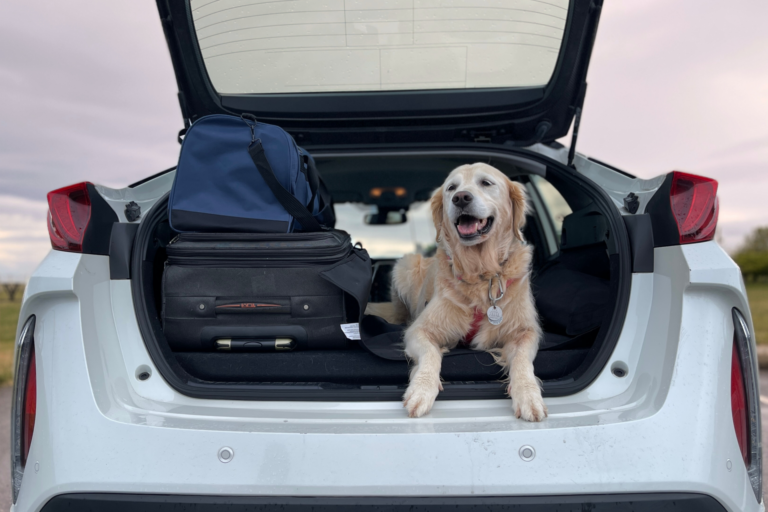
Moving house creates a long checklist.
Utilities. Mail. Insurance. Boxes. Keys.
Your pet’s identification information deserves a place on that list too.
This becomes particularly important when a pet has moved to British Columbia from another province or country. Guardians should know where the pet’s existing microchip is registered and make sure their current information is associated with their identification records.
BC Pet Registry has a dedicated guide for pet guardians arriving in British Columbia:
Learn what newcomers to BC should know about pet microchip registration
It is a useful reminder that your pet’s microchip may stay the same even when almost everything around them changes.
Give Your Pet's Records an Annual Checkup Too
There is an easy way to make all of this manageable.
Once a year, give your pet’s identification records a quick checkup.
Ask yourself:
- Do I know my pet’s microchip number?
- Do I know which registry it is associated with?
- Is my current phone number on the registration?
- Is my email address current?
- Is my backup contact still appropriate?
- Do I have recent, clear photos?
- Do my personal records accurately describe my pet today?
You can tie this check to something you already remember, such as your pet’s annual veterinary appointment.
That turns record keeping into a habit instead of another task you have to remember.
Be a Part of the 80% Responsible Owners
During our recent events, we scanned hundreds of pets, all with microchips implanted. Only to discover that approximately 20% of the pets’ microchips are not linked to any registries in North America. We recommend all pet owners to double check their pet’s registration and directly registering with us. All you need is the microchip number and/or tattoo code to start the online registration process. For a small, one-time fee of $45, your pet will be protected for a lifetime and you will also have contributed to the life-saving work of the BC SPCA.
The Bottom Line
Your pet changes throughout their life.
The tiny puppy becomes an adult. The kitten grows up. Names change. Families move. Phone numbers disappear. Grey hairs arrive.
Their microchip number may stay the same, but the information surrounding their identification should keep pace with the life you share together.
Take a few minutes today to look at your pet’s records.
Check your contact information. Review your emergency contact. Make sure you know the microchip number and registry. Then take a clear, current photo of the pet sitting beside you.
It is a simple habit.
And if you ever need those records unexpectedly, you will be glad they show your pet as they are today, not as they were years ago.
FAQ
Q: Does my pet need a new microchip if their appearance changes?
No. Growing older or looking different does not mean your pet needs a new microchip. The microchip’s identification number remains the same.
Q: Should I update my pet’s photos as they get older?
Yes. Keeping recent, clear photos can be helpful if your pet ever goes missing. Include images that show their face, full body, markings and distinctive features.
Q: What should I update if I move?
Review the contact information associated with your pet’s microchip registration, including your address, phone number, email and appropriate emergency contact.
Q: Does changing my information at my veterinary clinic automatically update the microchip registry?
Do not assume that it does. Veterinary records and microchip registry records are separate. Check with the registry holding your pet’s registration to make sure its information is current.
Q: My adopted pet has a new name. Should I update their records?
Review the records you maintain for your pet and check with the relevant registry about which pet details can be updated. It is helpful for the information associated with your pet to be consistent.
Q: How often should I review my pet’s identification information?
A yearly review is a simple routine, but you should also check it whenever important information changes, such as after moving or changing your phone number.