
Evan rescued Mina as a tiny kitten in Bangladesh and eventually brought her with him to Canada. Before travelling, he had Mina microchipped. After moving to British Columbia, he took another important step: registering her with BC Pet Registry. His story highlights something many pet guardians may not realize. A microchip from another country does not automatically make your pet’s information easy to trace in North America. If you moved to Canada with your pet, here’s why you should check their microchip registration yourself.
Mina's journey from Bangladesh to BC
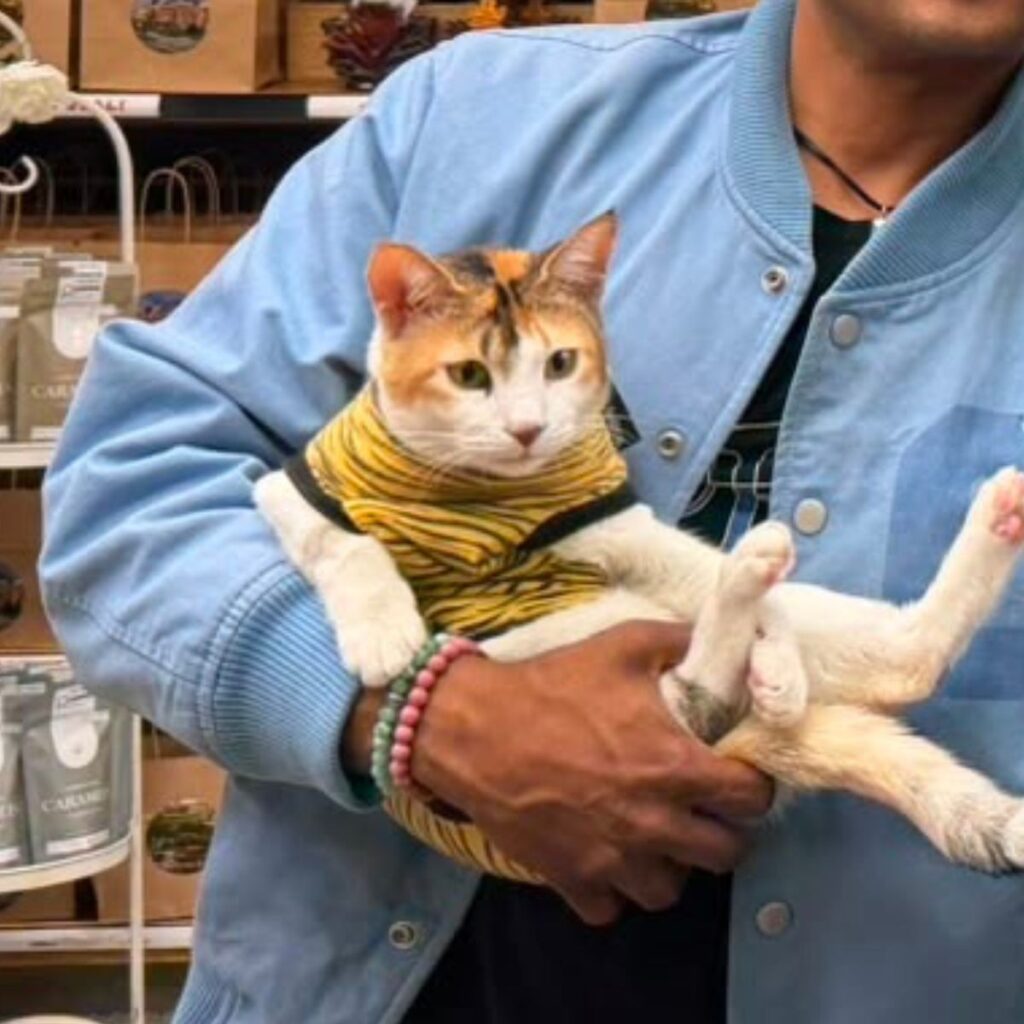
In July 2024, Evan discovered a tiny kitten alone in his family’s garage in Bangladesh. Mina was only about two weeks old, fragile and completely dependent on him. Evan rescued her and bottle-fed her for three months, giving her his bed, his time and his love. Soon, Mina became much more than a rescued kitten. She became his little daughter, his blessing and his good luck charm.
When Evan started preparing to move to Canada, he knew Mina would be making a long international journey with him. He wanted to make sure she had permanent identification, so he took her to a local clinic in Bangladesh and had her microchipped.
Microchipping wasn’t common where Evan lived. However, a pet relocation agency recommended it while helping him prepare for international travel. For Evan, having Mina microchipped gave him peace of mind that she would always have a form of permanent identification.
But there was another step he needed to take after moving.
A microchip is only the beginning
A microchip gives your pet a permanent identification number. However, the microchip itself does not contain your phone number, email or address. When a shelter or veterinarian scans a microchip, they receive that unique number and then need to identify the registry connected to it.
That process can become complicated when a pet was registered outside North America. A microchip number does not necessarily tell a finder which overseas registry holds the record. They may not know which organization to contact, and different languages, time zones and overseas contact processes can create additional barriers.
That’s why pet microchip registration in Canada matters. BC Pet Registry encourages guardians to register their pets even when they already have registration outside of North America. Registered BC Pet Registry microchips are traceable internationally through the American Animal Hospital Association’s Universal Pet Microchip Lookup.
The goal is simple: make it easier to connect a found pet’s microchip to the people who can help reunite them with their guardian.
Don't assume your pet's registration followed you
Moving countries comes with endless paperwork. Travel documents, veterinary records, vaccinations and import requirements can quickly become overwhelming. With so much to manage, it’s easy to assume your pet’s microchip registration is already taken care of.
However, microchipping and registration are two different steps. A veterinarian may have implanted the microchip, a pet relocation agency may have helped with travel paperwork, or your pet may have been registered in your home country. That doesn’t mean you should assume everything will be accessible after you move.
If you moved to North America with your pet, check their microchip registration yourself. Make sure you know your pet’s microchip number, your name as the guardian, your current phone number, email address and address. Most importantly, know which registry holds your pet’s information.
If you don’t know your pet’s microchip number, your veterinarian, shelter or BC SPCA can scan your pet. BC Pet Registry can also register an existing microchip, so your pet does not need a BC Pet Registry microchip to register.
Sheldon's story shows why checking matters

Mina’s story is a positive example of a guardian taking that extra step. However, Sheldon’s story shows why every guardian should check their pet’s information for themselves.
Sheldon is a Miniature Schnauzer-Poodle mix, yet his microchip registry information identified him as a Bull Terrier. His guardian information was also incorrect.
Imagine a shelter finding your pet and scanning their microchip. A record appears, but the record doesn’t match your pet. The contact information doesn’t lead staff to you. Suddenly, the microchip that should help reunite your pet creates confusion instead.
Sheldon’s story shows why guardians should never assume their pet’s records are correct. Check for yourself before you need that information in an emergency.
Mina made it to Canada. Then Evan checked again.
When Evan moved to British Columbia in May 2026, he took an important step.
He registered Mina with BC Pet Registry.
Today, Mina has lifetime registration with BC Pet Registry. For Evan, that registration provides peace of mind. For Mina, it creates another important connection between her permanent identification and her guardian.
Evan didn’t simply assume that Mina’s previous registration would be enough after moving. He checked and made sure she had a North American registration that could help connect her microchip to her guardian.
Moved to North America with your pet? Check this now.
If you moved to North America with your cat or dog, don’t wait for a lost-pet emergency to discover a problem with their identification. First, find your pet’s microchip number and make sure their microchip is registered with a North American registry that participates in the AAHA Universal Pet Microchip Lookup, such as BC Pet Registry.
Then, check your guardian information. Make sure your name, phone number, email address and current address are accurate. Most importantly, make sure you know which registry holds your pet’s information.
Already registered outside North America? You can still register your pet with BC Pet Registry. In fact, BC Pet Registry encourages guardians to register even when their pet already has registration elsewhere overseas.
Your pet made the journey. Don't forget this step.
Bringing a pet from another country takes planning, and Evan knows that firsthand. Mina’s journey from Bangladesh to Canada was difficult. Evan originally planned to travel with her in the cabin, but personal circumstances forced him to change his plans. Eventually, Mina travelled by cargo, and Evan noticed that she remained anxious and unsettled for some time afterward.
Today, Evan keeps Mina indoors and takes her outside under close supervision. He also uses an Apple AirTag on her collar. However, he understands that location technology cannot replace permanent identification. An AirTag can help you locate your pet, while a microchip can help identify your pet when someone finds them. These tools serve different purposes. Read more about AirTags here.
Don't wait until your pet is missing
You may have spent months preparing your pet for the move to Canada. You handled travel documents, arranged veterinary care and made sure your pet could make the journey safely.
But did you check their microchip registration?
You don’t want to discover a problem after your pet goes missing. You don’t want a shelter to find a microchip but struggle to identify the correct registry. And you don’t want outdated or inaccessible information standing between you and your pet.
So, take a few minutes today.
Check your pet’s microchip registration and register with BC Pet Registry.
Already registered outside North America? You can still register with BC Pet Registry.
Not sure what to do? Email info@bcpetregistry.ca for guidance and support.
Mina made it from a tiny garage in Bangladesh to her new life in BC. Evan made sure her identification came with her.
Now, take a few minutes to check your pet’s.
Because your pet can’t tell a shelter who they belong to. Their microchip record needs to help do that for them.
FAQs
1. My pet was microchipped in another country. Should I register them in North America?
Yes. If your pet has a microchip registered outside North America, make sure that microchip is also registered with a North American pet registry that participates in the AAHA Universal Pet Microchip Lookup, such as BC Pet Registry. BC Pet Registry encourages guardians to register even when their pet already has registration elsewhere.
2. Can a shelter tell which country’s registry has my pet’s microchip?
Not necessarily. A microchip scanner provides the unique microchip number, but that number does not necessarily tell a finder which overseas registry holds the record. AAHA’s Universal Pet Microchip Lookup helps identify participating registries associated with a microchip.
3. Does a microchip contain my contact information?
No. A microchip contains a unique identification number. Your contact information connects to that number through a pet registry. A microchip also isn’t a GPS device and cannot track your pet’s location.
4. What should I do if I moved to North America with my pet?
If you moved to North America with your pet, make sure their microchip is registered with a North American registry that participates in the AAHA Universal Pet Microchip Lookup, such as BC Pet Registry. This helps make your pet’s microchip information traceable in North America if they are lost and found. Unsure? Email info@bcpetregistry.ca for guidance and support.
5. What if my pet is already registered overseas?
You should still register your pet with a North American registry that participates in the AAHA Universal Pet Microchip Lookup, such as BC Pet Registry. BC Pet Registry encourages guardians to register even when their pet already has registration with an overseas registry.