Microchip Registration: What Pet Owners Affected by BC’s 2026 Wildfires Want You to Know

What BC Wildfire-Affected Pet Owners Want Other Pet Owners to Know

If you were forced to evacuate right now, would your pet’s microchip actually help bring them home?

It could—but only if the microchip is registered with your current contact information.

The microchip gives your pet a permanent ID number. Microchip registration connects that number to you.

For many BC families, wildfires have made emergency preparedness feel very real. However, you don't need to live in a wildfire zone to understand the risk. An emergency can happen quickly, and pets can become separated from their families just as quickly.

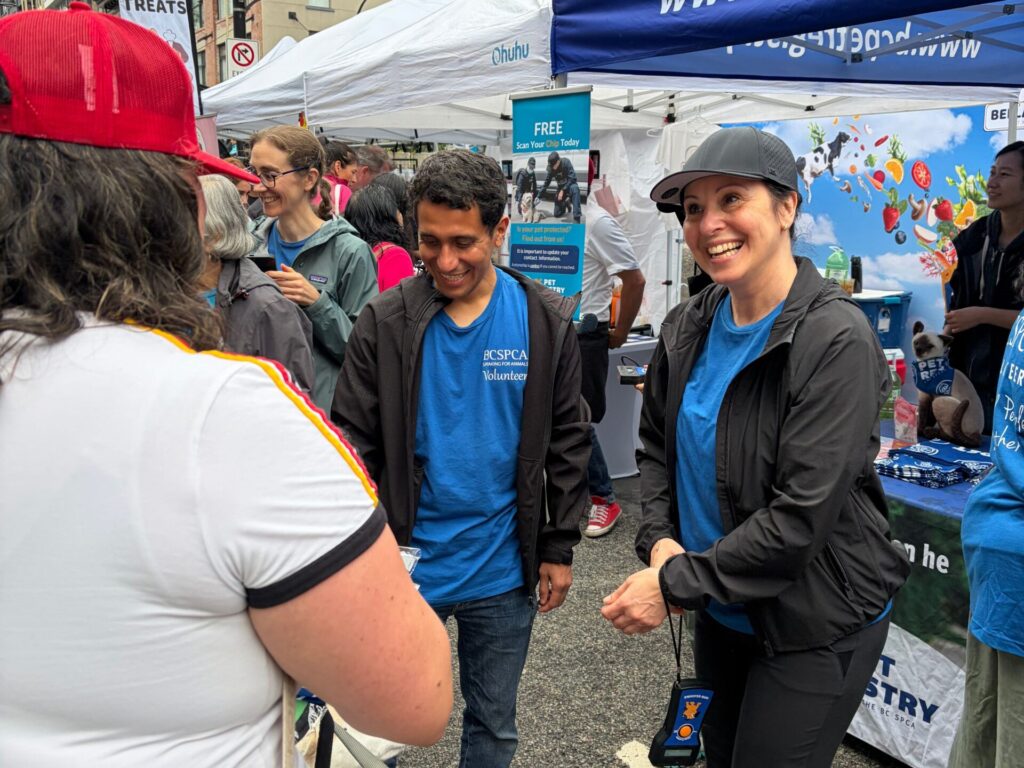
That is why the BC SPCA recently held three wildfire-response microchip clinics in Kelowna, Penticton and Kamloops.

123
BC pets received free microchips and lifetime registration across three wildfire-response clinics.
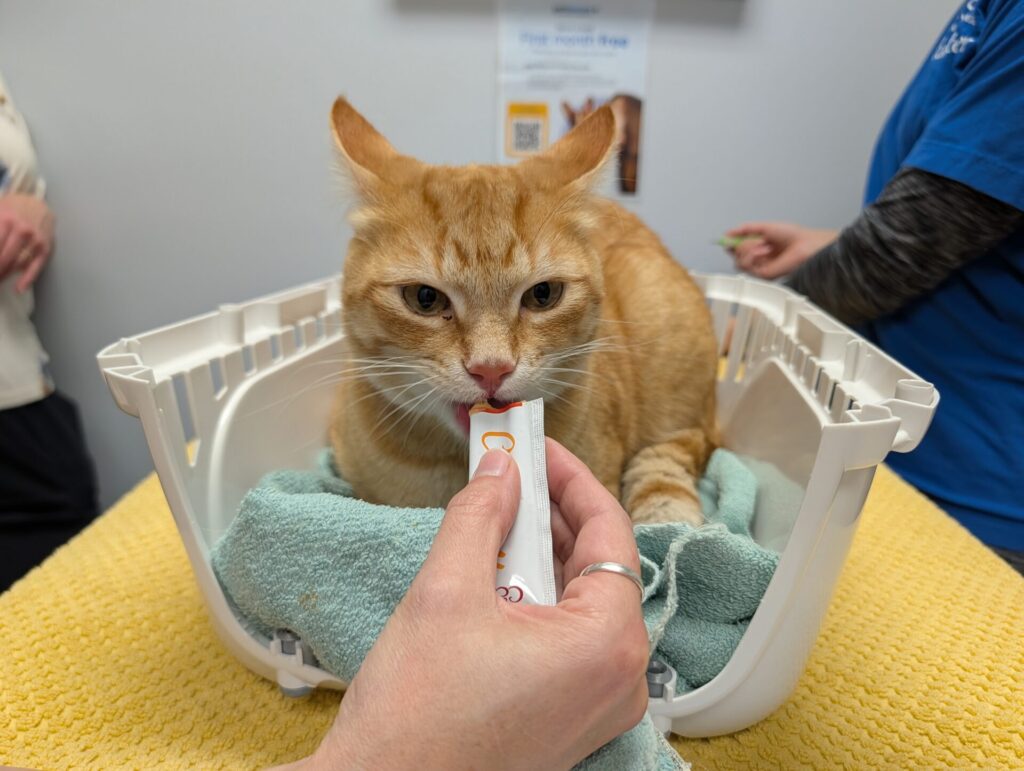
cat in crate having a snack BC SPCA Penticton microchip clinic in 2026
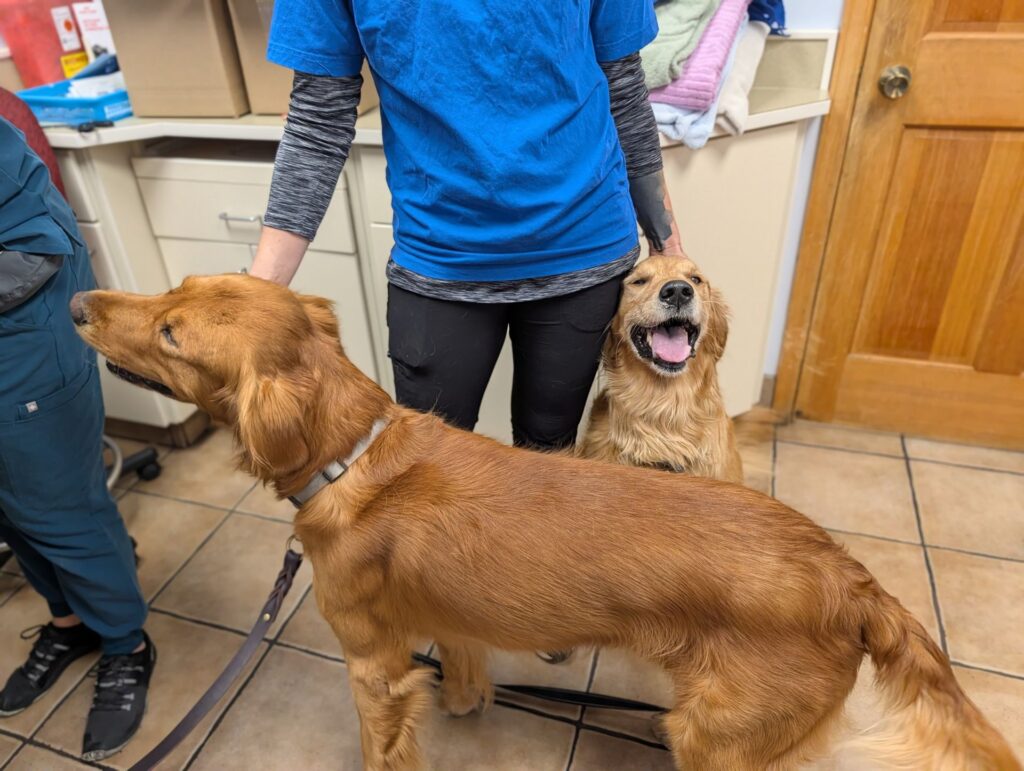
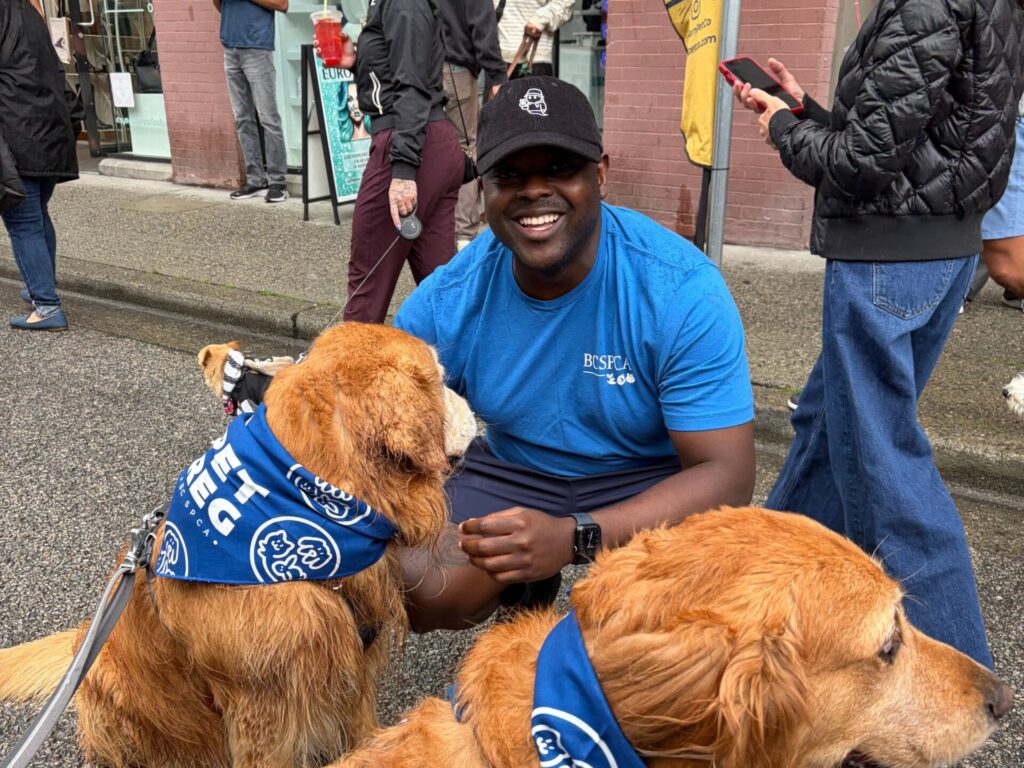
two dogs enjoy being petted at the 2026 BC SPCA Penticton microchip clinic
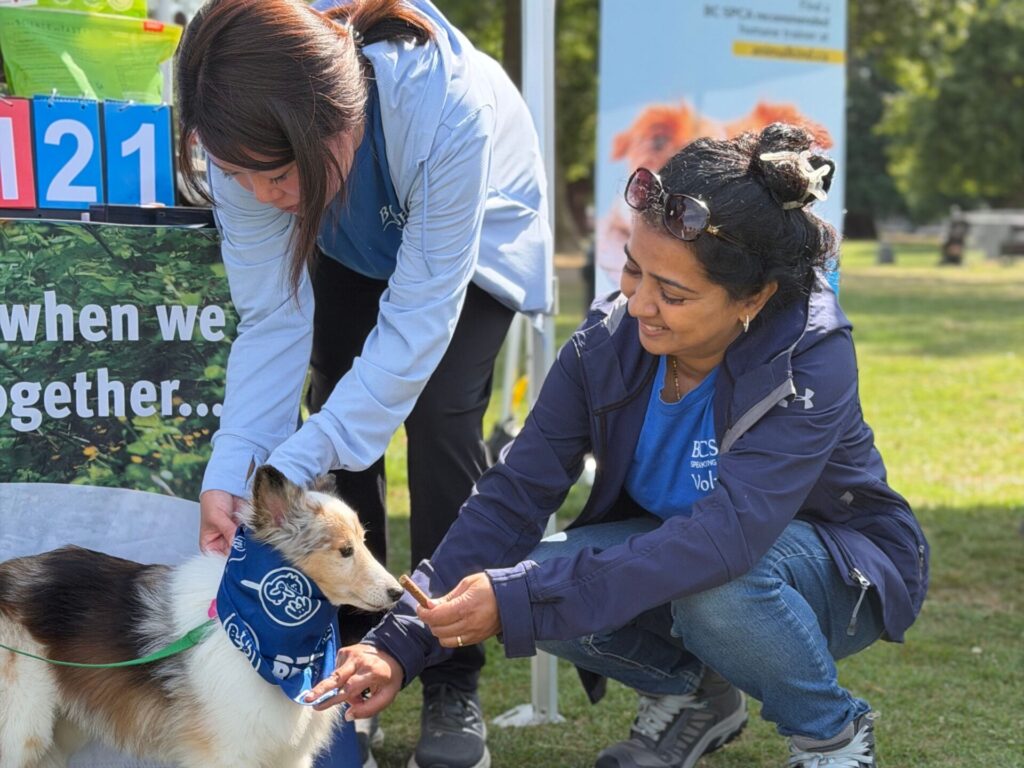
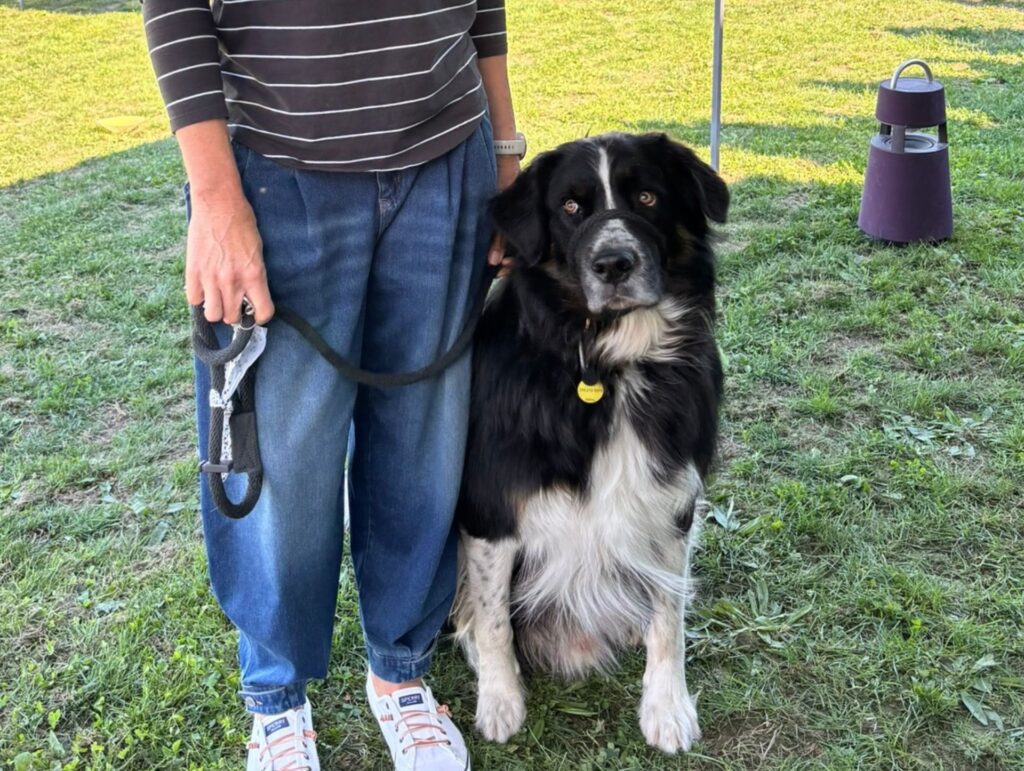
dog with owner at 2026 Kelowna microchip clinic event

123 pets received free microchips across three BC communities

The BC SPCA organized the clinics to support communities affected by wildfire and those facing potential evacuation.

Kelowna

September 20, 2026

Hosted in partnership with Kelowna Veterinary Hospital during its 80th anniversary celebration.

Penticton

September 23, 2026
2:00–4:30 p.m.

BC SPCA Penticton Veterinary Hospital
15 Duncan Ave E, Penticton

Kamloops

September 25, 2026
1:00–4:00 p.m.

BC SPCA Kamloops Spay Neuter Clinic
2816 Tranquille Road, Kamloops

Together, these clinics helped 123 pets receive permanent identification at no cost to their families.

Each pet also received lifetime microchip registration. BC SPCA staff registered the microchips with the pet owners during the clinics.

However, registration is not a “set it and forget it” task.

Pet owners still need to review their registration and make sure every detail is correct.

Phone numbers change. People move. Email addresses get updated. Therefore, keeping your pet's registration current remains an important part of emergency preparedness.

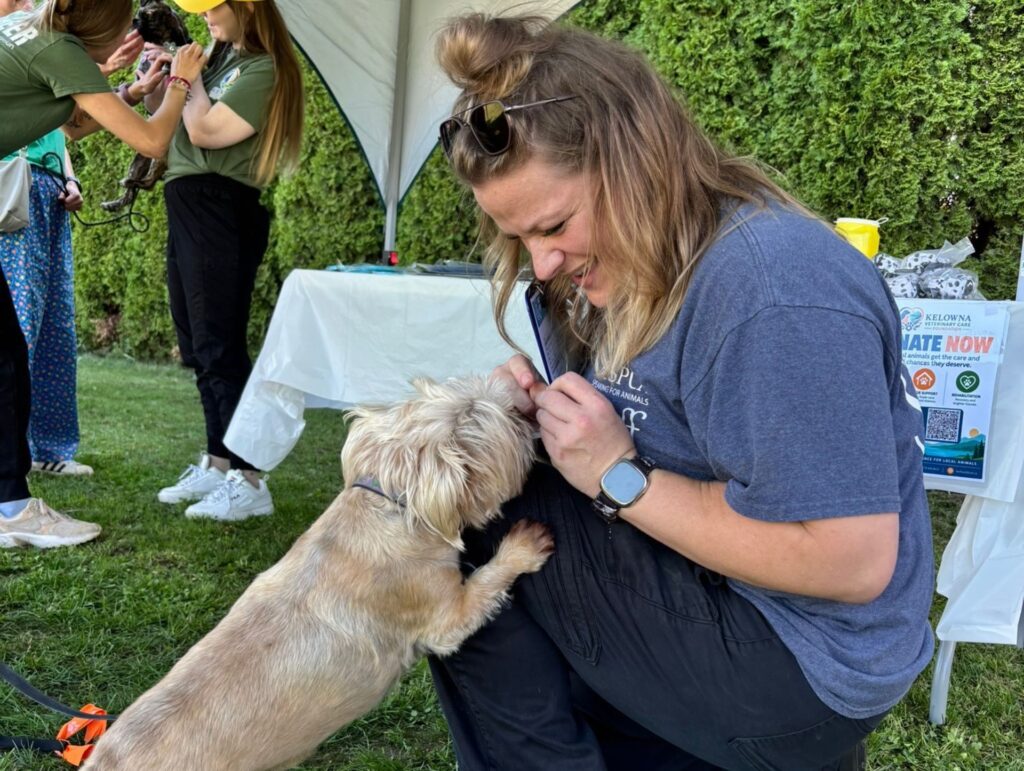
BC SPCA staff giving treats to a small dog at the 2026 BC SPCA Kelowna x Kelowna Veterinary Hospital microchip clinic
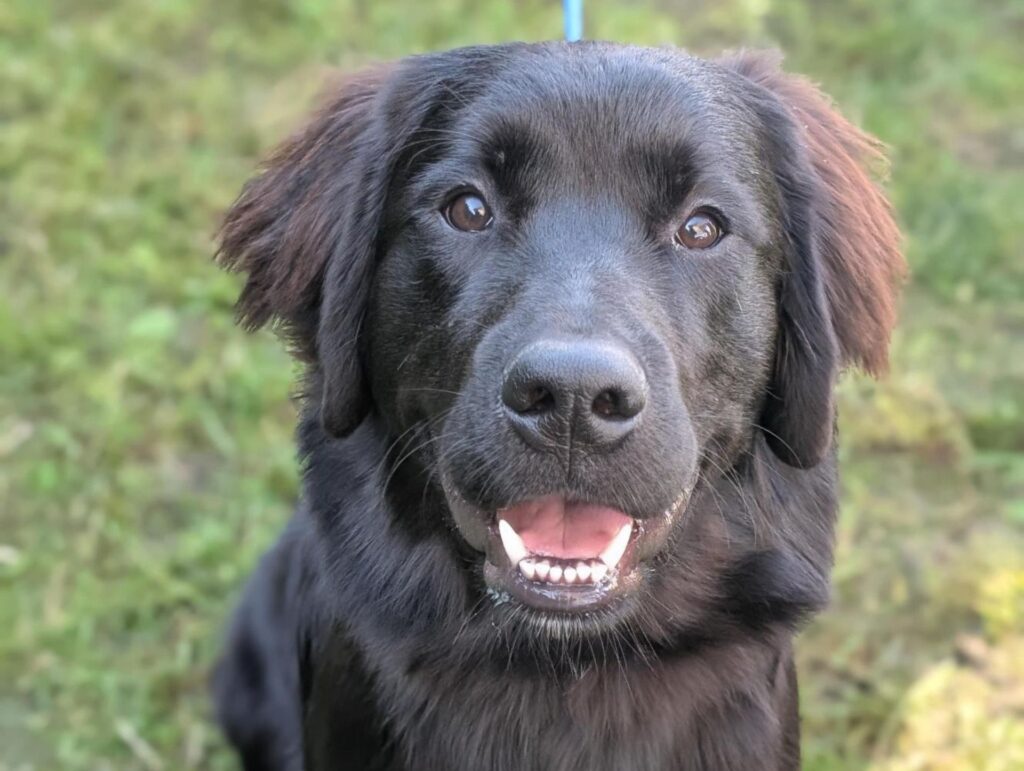
happy dog at the 2026 BC SPCA Kelowna x Kelowna Veterinary Hospital microchip clinic
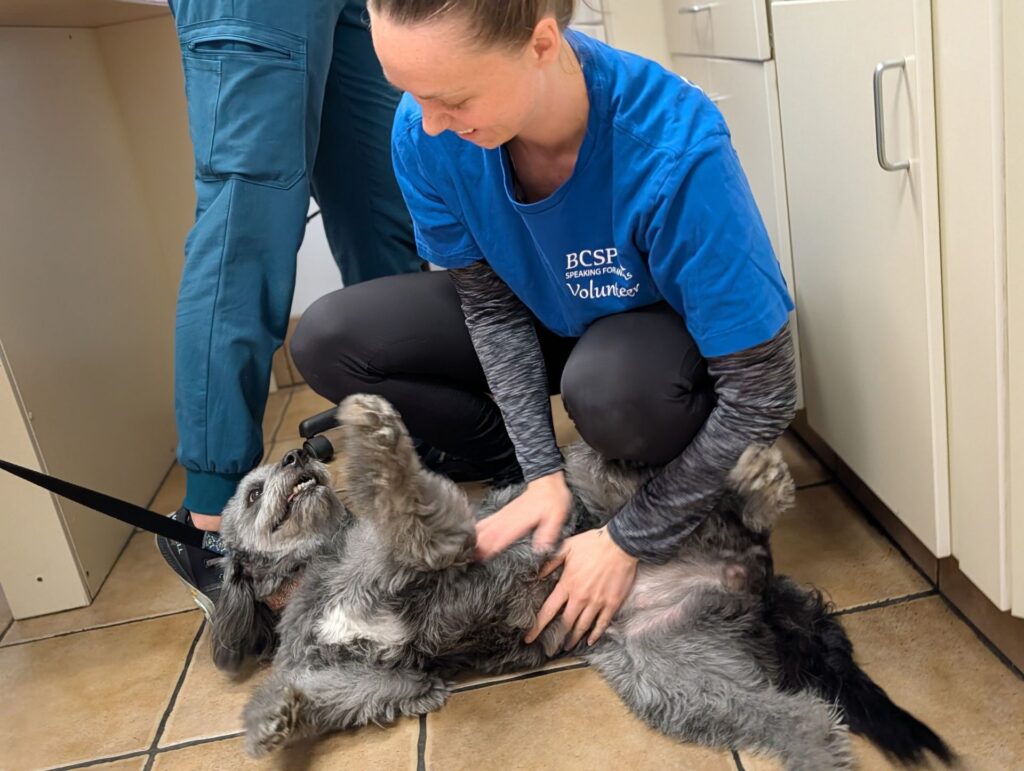
BC SPCA Penticton volunteer petting a dog at the 2026 BC SPCA Penticton microchip clinic

The Microchip Misconceptions We Heard at the Clinics

During the three clinics, BC SPCA staff heard several assumptions about microchipping. Some surprised us. Others are incredibly common.

Here’s what pet owners thought—and what they discovered instead.

What We Heard
“I thought it was only for puppies.”
The Reality

Adult and senior pets can be microchipped too. You don't need to wait for a spay or neuter appointment. If your pet doesn't have a microchip yet, it's not too late.

What We Heard
“I thought my pet needed anesthesia.”
The Reality

Most pets don't need sedation or anesthesia. The microchip injection itself takes only a few seconds. At our clinics, getting pets comfortable often took longer than the actual procedure.

What We Heard
“I thought it would take a long time.”
The Reality

The microchip injection takes about five seconds. Most pets spent only two or three minutes in the patient room. In many cases, the conversation took longer than the microchipping.

What We Heard
“I thought the microchip had GPS.”
The Reality

A microchip isn't a GPS tracker. It uses RFID technology and stores a unique identification number. A compatible scanner must read that number before it can help identify your pet.

What We Heard
“I didn't think my pet needed one.”
The Reality

You can't predict when an emergency will separate you from your pet. A wildfire, evacuation, accident or unexpected escape can happen quickly. Permanent identification gives your pet another way to be connected back to you.

One more misconception could matter most.

“My pet has a microchip, so we're covered… right?”

Not quite.

A microchip gives your pet a permanent ID number. Registration connects that number to your current contact information.

That's why checking your pet's microchip registration matters just as much as getting the microchip itself.

A microchip is only the first step

Getting your pet microchipped is important. However, the microchip itself does not contain your phone number or address.

1. The Microchip

Gives your pet a permanent identification number.

2. Registration

Connects that identification number to your current contact information.

Both pieces matter.

If a lost pet reaches a veterinary hospital, shelter or animal-care organization, staff can scan for a microchip.

If the chip is registered correctly, that identification number can help connect the pet with their guardian.

However, outdated or missing registration can create another barrier when every minute matters.

The registration gap is still a concern

The BC Pet Registry team has tracked microchip registration gaps at major events since 2023.

Again and again, we find pets with microchips that aren't properly registered.
1 in 5
microchipped pets can have a registration gap at major community events.

That means this isn't just something that happens during wildfire emergencies. It is a broader issue affecting pet families across BC.

At these three clinics, BC SPCA staff emphasized registration with every pet owner. Even though lifetime registration was included, staff reminded owners to review their information and confirm that everything was accurate.

That final check matters.

After all, your phone number and address can change long after the microchip is implanted.

Don't assume “the vet took care of it”

One assumption we hear from pet owners is that their pet's microchip registration must already be taken care of because a veterinary clinic implanted the chip.

Don't assume. Check.

Your veterinarian may have registered your pet, but you should still confirm that the registration exists and that your contact information is correct.

The same applies if you adopted your pet, moved to BC or changed your phone number.

Your pet's registration should match your life today—not your life when the microchip was implanted.

What should you check today?

You don't need to wait for the next wildfire, emergency or lost-pet situation.

Take a few minutes to check your pet's microchip registration.

Make sure:

  • Your pet's microchip number is correct.
  • Your pet's microchip can be easily scanned.
  • Your name and contact information are current on the registry.
  • Your phone number works.
  • Your email address is correct.
  • Your address is up to date.
  • Your pet's information matches your current records.

If you aren't sure whether your pet's microchip is registered, ask for help.

It is much better to discover a registration problem while your pet is safely at home.

Don't wait until you're standing at an evacuation centre

Wildfires have reminded many BC residents how quickly normal life can change.

When an evacuation order comes, you may have minutes to gather your family, your pets, medications and essential belongings.

You may need to leave home quickly. Your pet could end up temporarily separated from you. You might need emergency boarding or help from someone outside your household.

In that moment, you don't want to wonder whether your pet's microchip is registered.

You want to know.

That is why microchip registration belongs on your pet's emergency-preparedness checklist.

Check Your Pet's Microchip Registration Today

If your pet already has a microchip, take a few minutes to confirm the registration yourself.

If your pet doesn't have a microchip, talk to your veterinarian or an animal-care professional about permanent identification.

And if you're unsure about your BC Pet Registry registration, we're here to help.

Check Your Pet's Registration

Need guidance? Email info@bcpetregistry.ca

Frequently Asked Questions About Microchip Registration

1. Can adult dogs and cats get microchipped?

Yes. Dogs and cats can be microchipped as adults, including senior pets. You do not need to wait until a spay or neuter procedure. If your adult pet doesn't have permanent identification, it's not too late.

2. Does my pet need anesthesia to get a microchip?

In most cases, no sedation or anesthesia is needed for microchipping. The injection itself usually takes only a few seconds, although some pets may need extra time to become comfortable.

3. Does a pet microchip have GPS?

No. Pet microchips do not contain GPS trackers. They use RFID technology and store a unique identification number. A compatible scanner must read the chip before that number can be used to identify the pet.

4. Is microchipping the same as microchip registration?

No. The microchip gives your pet a permanent identification number. Registration connects that number to your current contact information. Both are important if a lost pet needs to be reunited with their family.

5. How can I check if my pet's microchip is registered?

Check your pet's microchip registration and confirm that your contact information is accurate and current by logging in to your pet's microchip registry. If you're unsure about your BC Pet Registry registration, email info@bcpetregistry.ca for guidance.

Share this post